By TOM MARQUARDT and PATRICK DARR
Much has been written, here and elsewhere, about what drives the price of wine. Why does one bottle fetch $300 while another costs just $15? Most explanations focus on the factors behind trophy wines—prime vineyard land, costly oak aging, fierce demand and more. This week, we’ll flip the script and examine how producers manage to sell wine so cheaply.
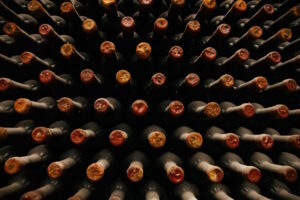 First, economies of scale. When you produce millions of cases—Barefoot or Three Buck Chuck, for example—the fixed costs of crushing, fermenting, bottling and shipping are spread over a vast number of bottles. The profit margin on each may be slim, but the total return can rival that of a limited-edition cult label, which carries a much higher per-bottle margin.
Second, low-cost wine almost always involves cutting corners. You might not notice these compromises in your glass, but they’re real:

Sourcing: Large commercial vineyards in regions such as Fresno or Lodi routinely harvest 8–10 tons per acre. Small, quality-focused estates prune aggressively and discard inferior fruit, yielding only 3–5 tons. All those extra grapes from big growers go into bulk wine sold to mass producers. If you see “bottled by…” on a label, it usually means the grapes came from someone else’s ranch, not the winery’s own vines. So, while you like a certain producer, the grapes may not be his or even from his neighborhood. It’s worth it to examine the labeling to determine if the grapes were grown on the estate.
Location: Real estate prices vary dramatically. An acre in Napa Valley can exceed $500,000; in Paso Robles or Lodi, it often costs $20,000–$50,000. Napa’s scarcity and prestige translate directly into higher prices. You see the same pattern in Bordeaux’s Left Bank versus Entre‐Deux‐Mers.
Additives: This is a huge pet peeve of ours. U.S. regulations require labels to list sulfites and alcohol, but not the polysaccharides that enhance mouthfeel or concentrated “mega‐purple” juice used to deepen color and texture. The FDA permits more than 60 other additives to adjust acidity, flavor, sweetness, tannin, and more. On top of that, most large-scale vineyards rely on conventional pesticides, herbicides and synthetic fertilizers, whereas smaller estates may farm organically at additional costs. The FDA has found these additives safe, but they’re hardly artisanal. So many cheap wines we taste are as much a laboratory creation as junk food.
Oak aging: The finest wines gain complexity and structure from time in new French oak barrels—each costing $600–$1,500 for only 3-4 vintages of use. Budget producers ferment and age their wines in stainless-steel tanks, then toss in oak chips to simulate vanilla, toast, or butterscotch notes.
Hype and scarcity: High critic scores, limited availability, and savvy marketing can inflate any wine’s price. Santa Margherita’s pinot grigio, once a critic’s favorite, saw its price skyrocket after reviews drove sales. Cult names like Harlan or Sine Qua Non command three-year waiting lists and sell for over $1,000 a bottle. Even first-growth Bordeaux still commands lofty sums despite questions about the fairness of the 1855 classification and its relevance.
 The unavoidable truth is that people will pay top dollar to own wines that few others can get, and most of them are vastly overrated. Supply and demand, status, and sometimes greed turn these bottles into trophies rather than mere beverages that most people will ever enjoy. That said, if you enjoy a $15 wine and accept the inevitable shortcuts, by all means, pour yourself another glass. Ultimately, the real bottom line is what satisfies your palate and what you’re willing to overlook.
There are a few producers who make wines that often exceed in quality their prices. Don’t look for a specific wine, but look for a producer who makes good wines across the board and who doesn’t take laboratory shortcuts. These include California producers, such as J. Lohr, Bonterra, Kendall-Jackson, La Crema, and Bogle. Washington state offers some spectacular bargains from Chateau St. Jean, Columbia Crest, Hedges, and Nine Hats.
Even with tariffs, you can find good values in Europe and South America that aren’t laboratory inventions: Beaujolais from France, Malbec from Argentina, Rioja from Spain, Chianti and Barbera from Italy, and Grenache from Australia.
Here are a few we recently tasted:
G3 Cabernet Sauvignon Columbia Valley 2022 ($15). This is a ridiculously good buy for a cabernet sauvignon. Softly texture with rich cherry and plum notes and a hint of spice. It comes from Goose Ridge Vineyards.
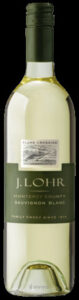
J. Lohr Estates Flume Crossing Sauvignon Blanc 2024 ($14). This reasonably priced wine from Monterey County has mature grapefruit and lime notes with balanced acidity.
Paperwhite by J. Lohr Unoaked Chardonnay 2024 ($14). J. Lohr Vineyards & Wines has another hit with this great value from Monterey’s Arroyo Seco AVA. With primary fermentation done in stainless-steel tanks, it retains the freshness and purity of chardonnay. Green apple and citrus highlight the wine, a perfect match to seafood dishes.
La Crema Monterey Pinot Gris 2024 ($20). This is a fresh and lively expression of the popular pinot gris grape variety. It makes for a good sipper on those early spring days on the patio or a good complement to shrimp or grilled chicken.
Eguren Ugarte Cosecha Rioja 2023 ($17). This is a wonderfully tasty blend of tempranillo and garnacha. Bright and juicy raspberry and dark cherry flavors with a hint of vanilla.
Campo Viejo Rioja Reserva 2018 ($16). The extra time in barrels gives reserve rioja a lot of character for the money. Ripe and luscious red fruit makes this a delightful wine to serve with pizza, burgers and other grill fare. Hints of spice and vanilla. It is a blend of tempranillo, graciano and mazuel grapes.
Le Ragose Valpolicella Classico 2024 ($20). This blend of corvina, rondinella, corvinone and other grapes make for a simple, but enjoyable quaff to go with pasta.
Nestore Bosco Montepulciano d’Abruzzo 2021 ($12). We have seen this wine under $10 at big box stores and grocery stores. Simple but pure fruit flavors withe jammy plum and black berry flavors.
Kirkland Bordeaux Supérieur 2023 ($7). Yep, the price is correct. A frequent hit among Costco shoppers, this easy-drinking blend of cabernet sauvignon and merlot is even aged in French oak for 12 months—no oak chips. Simple black cherry flavors with startling tannins to give it body. Frankly, we didn’t think a wine like this could be done at this price.
Wine picks
Donnafugata Sul Vulcano Etna Rosso 2021 ($36). The attractive label of this wine pays respect (and fear?) to the still active Mt. Etna volcano. Equally so, the flavors instantly erupt from what’s inside. Fresh, simple and elegant cherry flavors with hints of raspberries and anise. Drinkable now.
Frank Family Vineyards Carneros Chardonnay 2024 ($40). This was a big hit in a recent tasting of chardonnays. Good texture and balanced acidity with lemon, apple and pineapple notes. Hints of nutmeg and vanilla make it a well-rounded wine suitable for a fish dinner.
Disclaimer
Artificial Intelligence Disclosure & Legal Disclaimer
AI Content Policy.
To provide our readers with timely and comprehensive coverage, South Florida Reporter uses artificial intelligence (AI) to assist in producing certain articles and visual content.
Articles: AI may be used to assist in research, structural drafting, or data analysis. All AI-assisted text is reviewed and edited by our team to ensure accuracy and adherence to our editorial standards.
Images: Any imagery generated or significantly altered by AI is clearly marked with a disclaimer or watermark to distinguish it from traditional photography or editorial illustrations.
General Disclaimer
The information contained in South Florida Reporter is for general information purposes only.
South Florida Reporter assumes no responsibility for errors or omissions in the contents of the Service. In no event shall South Florida Reporter be liable for any special, direct, indirect, consequential, or incidental damages or any damages whatsoever, whether in an action of contract, negligence or other tort, arising out of or in connection with the use of the Service or the contents of the Service.
The Company reserves the right to make additions, deletions, or modifications to the contents of the Service at any time without prior notice. The Company does not warrant that the Service is free of viruses or other harmful components.