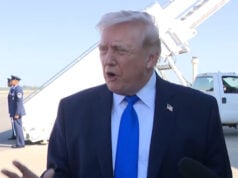
WASHINGTON, D.C. — President Donald J. Trump announced a sweeping series of agreements on Friday with nine major pharmaceutical companies to significantly lower the cost of prescription drugs for American patients. The deals, which target chronic conditions like diabetes, heart disease, and asthma, aim to bring U.S. pricing in line with the “Most-Favored-Nation” (MFN) rates—the lowest prices paid by other developed countries.
The announcement marks the largest development to date in the administration’s “America First” healthcare initiative. The participating companies include industry giants such as Amgen, Bristol Myers Squibb, Gilead Sciences, GSK, Merck, Novartis, and Sanofi.
Massive Savings for Medicaid and Consumers
Under the new agreements, these manufacturers have committed to providing every state Medicaid program in the country access to MFN drug prices. Senior administration officials described the move as a historic win for the most vulnerable populations, projecting billions of dollars in savings for taxpayers.
Beyond government programs, the deal introduces substantial relief for cash-paying consumers through a new digital platform called TrumpRx.gov. For example:

- Amgen will reduce the price of its cholesterol medication, Repatha, from $573 to $239 for direct purchasers.
- Merck will offer its diabetes treatments, Januvia and Janumet, at approximately 70% off the current list price.
- Bristol Myers Squibb will provide its widely prescribed blood thinner, Eliquis, to Medicaid programs at a zero-cost basis.
“For decades, the American people have subsidized the rest of the world’s healthcare,” President Trump said during the White House briefing. “We are ending global freeloading. From now on, Americans will no longer pay four or five times more than other nations for the exact same pill from the same factory.”
Incentives and Criticisms
To secure these voluntary price cuts, the administration offered a “carrot and stick” approach. Participating companies may receive a three-year exemption from certain tariffs and benefit from a new “fast-track” FDA review process for future innovative medicines.
However, the deals have faced skepticism from some healthcare experts and political opponents. Critics argue that while the savings are helpful for specific patients, the overall impact on the $600 billion U.S. drug market may be limited. Some economists noted that Medicaid already receives deep discounts, and tying prices to foreign nations could lead drugmakers to raise prices abroad rather than lowering them in the U.S.
What’s Next?
The administration indicated that three other major manufacturers—AbbVie, Johnson & Johnson, and Regeneron—are currently in negotiations and are expected to announce similar price reductions in the coming weeks. The new pricing for the nine companies announced Friday is expected to take effect immediately for direct-to-consumer purchases through the TrumpRx platform.
Sources:
- White House Fact Sheet: President Donald J. Trump Announces Largest Developments to Date in Bringing Most-Favored-Nation Pricing
- Reuters: Trump strikes deal with US drugmakers to cut Medicaid medicine costs
- The Washington Post: Drug companies line up to make deals with Trump after initial hesitation
- KFF: Understanding the Trump Administration’s Negotiated Drug Prices for Medicare
Disclaimer
Artificial Intelligence Disclosure & Legal Disclaimer
AI Content Policy.
To provide our readers with timely and comprehensive coverage, South Florida Reporter uses artificial intelligence (AI) to assist in producing certain articles and visual content.
Articles: AI may be used to assist in research, structural drafting, or data analysis. All AI-assisted text is reviewed and edited by our team to ensure accuracy and adherence to our editorial standards.
Images: Any imagery generated or significantly altered by AI is clearly marked with a disclaimer or watermark to distinguish it from traditional photography or editorial illustrations.
General Disclaimer
The information contained in South Florida Reporter is for general information purposes only.
South Florida Reporter assumes no responsibility for errors or omissions in the contents of the Service. In no event shall South Florida Reporter be liable for any special, direct, indirect, consequential, or incidental damages or any damages whatsoever, whether in an action of contract, negligence or other tort, arising out of or in connection with the use of the Service or the contents of the Service.
The Company reserves the right to make additions, deletions, or modifications to the contents of the Service at any time without prior notice. The Company does not warrant that the Service is free of viruses or other harmful components.