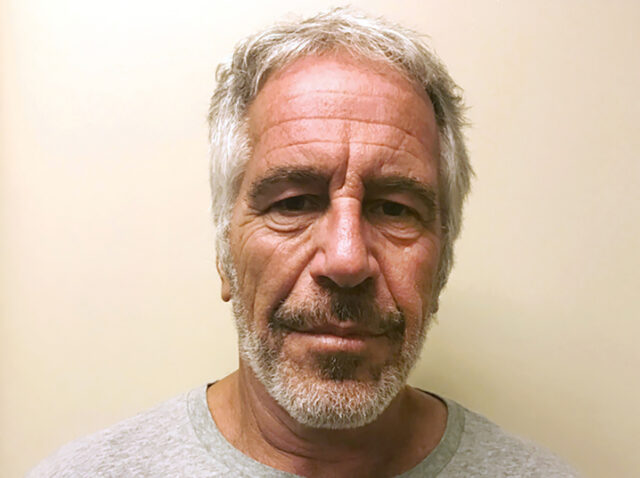
In a dramatic reversal, former President Donald Trump called on House Republicans to vote for the release of files linked to Jeffrey Epstein, declaring, “we have nothing to hide.”
Trump’s shift comes amid growing bipartisan momentum in Congress. A discharge petition has forced a House vote on legislation — known as the Epstein Files Transparency Act — which would require the Justice Department to release its Epstein-related records, with provisions to redact sensitive or identifying data.
However, legal roadblocks remain significant. Much of the material is under seal, including grand-jury transcripts, which are protected by federal rules. Courts would have to approve unsealing, and victims’ privacy concerns may demand heavy redactions.
Even if the House approves the bill, it faces a rocky path in the Senate. Moreover, the Justice Department and courts could still defend keeping portions secret, exposing the proposal to potential litigation and delay.

Trump’s abrupt reversal is seen by many as more than just a political maneuver — a calculated embrace of transparency, tempered by legal realities.
Sources:
Disclaimer
The information contained in South Florida Reporter is for general information purposes only.
The South Florida Reporter assumes no responsibility for errors or omissions in the contents of the Service.
In no event shall the South Florida Reporter be liable for any special, direct, indirect, consequential, or incidental damages or any damages whatsoever, whether in an action of contract, negligence or other tort, arising out of or in connection with the use of the Service or the contents of the Service.
The Company reserves the right to make additions, deletions, or modifications to the contents of the Service at any time without prior notice.
The Company does not warrant that the Service is free of viruses or other harmful components