For decades, the health-conscious consumer has been locked in a battle with sugar. The rise of obesity and Type 2 diabetes led to a frantic search for the “holy grail” of nutrition: a substance that tastes like sugar, bakes like sugar, but carries zero calories and zero impact on blood glucose. For a long time, erythritol appeared to be that miracle solution. A sugar alcohol naturally found in small amounts in grapes and pears, it became the darling of the “keto” movement and a staple in “sugar-free” processed foods worldwide.
However, a series of groundbreaking studies—culminating in massive clinical trials and biological validations in 2024 and 2025—have cast a long, dark shadow over this popular additive. Scientists now warn that elevated levels of erythritol in the blood are not just a marker of a “diet” lifestyle, but a potent predictor of life-threatening cardiovascular events. Specifically, individuals with the highest concentrations of erythritol in their systems are twice as likely to suffer a heart attack or stroke within a three-year window compared to those with lower levels.
The Discovery: From Metabolomics to Medical Alarm
The alarm was first sounded by a team at the Cleveland Clinic, led by Dr. Stanley Hazen, Chair of the Department of Cardiovascular & Metabolic Sciences. The discovery was somewhat accidental. Dr. Hazen’s team wasn’t looking for erythritol specifically; they were conducting an “untargeted metabolomics” study. This involves scanning the blood of thousands of patients to see which chemical compounds might predict who will suffer a heart attack, stroke, or death in the coming years.
When the data came back, a specific signal kept appearing at the top of the list: erythritol.

In an initial study of 1,157 people undergoing cardiac evaluation, those with the highest levels of erythritol had a significantly higher risk of experiencing a Major Adverse Cardiovascular Event (MACE). To ensure this wasn’t a fluke, the researchers expanded their scope to two much larger cohorts: one in the United States (2,149 people) and one in Europe (833 people). The results were identical across continents. The top 25% of participants with the highest blood erythritol levels faced roughly double the risk of heart attack or stroke over the subsequent three years.
The Biological Smoking Gun: How Platelets React
While the correlation was clear, critics initially argued that people who consume the most erythritol are often those already at high risk—people with obesity or diabetes who are trying to lose weight. However, follow-up research published in 2024 and early 2025 provided the biological “smoking gun” that shifted the conversation from correlation to causation.
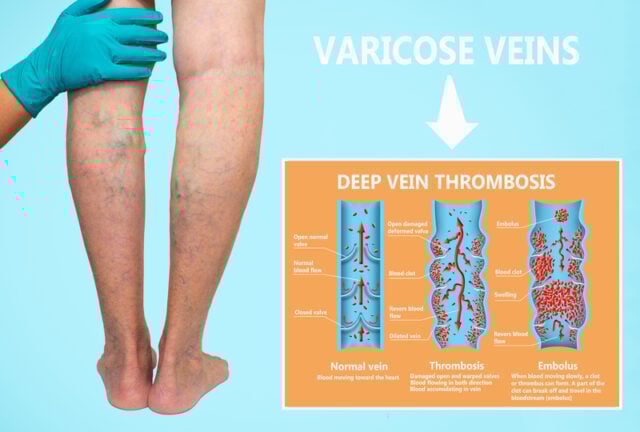
The researchers discovered that erythritol interacts directly with platelets, the cell fragments in our blood responsible for clotting. When platelets encounter erythritol, they become “hyper-responsive.” Essentially, the sweetener lowers the threshold required for a clot to form.
In a controlled intervention study, healthy volunteers were asked to drink a beverage sweetened with 30 grams of erythritol—a dose roughly equivalent to what is found in a single pint of many “keto-friendly” ice creams or a large sugar-free soda. Within minutes, their blood erythritol levels jumped 1,000-fold. More disturbingly, these levels remained high enough to significantly enhance blood clotting for several days. When compared to volunteers who drank an equivalent amount of glucose (actual sugar), the difference was stark: glucose caused a mild rise in blood sugar but had no effect on platelet stickiness, while erythritol turned the blood into a pro-thrombotic (clot-promoting) environment.
The “Hidden” Danger in the Grocery Aisle
One of the most significant challenges with erythritol is its invisibility. Because it is classified by the FDA as “Generally Recognized as Safe” (GRAS), food manufacturers are not required to list the specific amount of erythritol on nutrition labels. It is often lumped into the “sugar alcohols” category.
Furthermore, erythritol is frequently used as a “bulking agent.” Since high-intensity sweeteners like stevia or monk fruit are hundreds of times sweeter than sugar, you only need a tiny speck of them to sweeten a cake. To make that speck look and feel like a cup of sugar, manufacturers mix it with erythritol. Many consumers buying “Monk Fruit Sweetener” are actually buying a product that is 99% erythritol by weight.
The danger is particularly acute for the “habitual consumer.” Because erythritol is poorly metabolized and primarily excreted by the kidneys, it can accumulate in the blood of frequent users, especially those with even mildly reduced kidney function—a common condition in the very populations (the elderly and diabetics) most likely to use sugar substitutes.
Comparative Risks: Erythritol vs. Xylitol
The scrutiny on erythritol has opened a Pandora’s box regarding other sugar alcohols. In mid-2024, the same research group identified a nearly identical risk profile for xylitol, another common sugar alcohol found in sugar-free gum and “natural” sweeteners. Like erythritol, high levels of xylitol were associated with increased MACE risk over three years and were shown to trigger platelet hyper-activity.
This suggests that the cardiovascular risk may be a class-wide issue for certain polyols when consumed in the high doses made possible by modern food processing. While naturally occurring erythritol in a pear might amount to milligrams, a processed “keto” snack can deliver 30,000 milligrams (30 grams) in one sitting.
Regulatory Stalemate and Industry Pushback
As of early 2026, the regulatory landscape is in a state of flux. The European Food Safety Authority (EFSA) is currently in the midst of a multi-year re-evaluation of all sweeteners approved before 2009. While they recently cleared sucralose for continued use, the data on erythritol has prompted calls for more stringent labeling.
Industry groups, such as the Calorie Control Council, have pushed back, arguing that these studies are “observational” and that erythritol has been used safely for decades. They point out that the human body produces small amounts of erythritol endogenously (naturally), which could potentially confound the results. However, researchers counter that the levels produced naturally are thousands of times lower than the levels seen in those drinking sweetened beverages, and the direct intervention studies in 2024 showed that ingested erythritol causes the platelet changes.
Looking Forward: The 2026 Consensus
The medical community’s stance has shifted significantly. Many cardiologists are now advising their high-risk patients—those with existing heart disease or multiple risk factors—to move away from erythritol-sweetened products and return to a “whole foods” approach.
“We have gone from thinking these were ‘free’ foods to realizing they might be active participants in cardiovascular disease,” says Dr. Hazen. “The goal shouldn’t be to find a safer chemical to replace sugar, but to retrain our palates to require less sweetness overall.”
For consumers, the advice is becoming clearer:
- Check the “Sugar Alcohol” line: If a product has 20-30g of sugar alcohols, it is likely mostly erythritol.
- Beware of “Keto” and “Diabetic-friendly” labels: These are the primary vehicles for high-dose erythritol.
- Opt for moderation: If you must sweeten, small amounts of honey or even regular sugar may be safer for the heart than massive doses of synthetic sugar alcohols, provided they are managed within a balanced diet.
As we move further into 2026, the era of “consequence-free” artificial sweetness appears to be ending, replaced by a more cautious, science-driven understanding of how these compounds truly affect our blood and our hearts.
Sources Used and Links
- National Institutes of Health (NIH): Erythritol and cardiovascular events. https://www.nih.gov/news-events/nih-research-matters/erythritol-cardiovascular-events
- Cleveland Clinic Newsroom: Cleveland Clinic Study Finds Common Artificial Sweetener Linked to Higher Rates of Heart Attack and Stroke. https://newsroom.clevelandclinic.org/2023/02/27/cleveland-clinic-study-finds-common-artificial-sweetener-linked-to-higher-rates-of-heart-attack-and-stroke
- Nature Medicine: The artificial sweetener erythritol and cardiovascular event risk (Witkowski et al., 2023). https://www.nature.com/articles/s41591-023-02223-9
- American Heart Association (AHA) / ATVB Journal: Ingestion of the Non-Nutritive Sweetener Erythritol, but Not Glucose, Enhances Platelet Reactivity and Thrombosis Potential (2024). https://www.ahajournals.org/doi/10.1161/ATVBAHA.124.321019
- European Food Safety Authority (EFSA): Sweeteners re-evaluation status 2024-2026. https://www.efsa.europa.eu/en/topics/topic/sweeteners
- Cleveland Clinic Lerner Research Institute: Sugar substitute xylitol associated with increased risk of heart attack and stroke. https://www.lerner.ccf.org/news/article/?title=Sugar+substitute+xylitol+associated+with+increased+risk+of+heart+attack+and+stroke
Disclaimer
Artificial Intelligence Disclosure & Legal Disclaimer
AI Content Policy.
To provide our readers with timely and comprehensive coverage, South Florida Reporter uses artificial intelligence (AI) to assist in producing certain articles and visual content.
Articles: AI may be used to assist in research, structural drafting, or data analysis. All AI-assisted text is reviewed and edited by our team to ensure accuracy and adherence to our editorial standards.
Images: Any imagery generated or significantly altered by AI is clearly marked with a disclaimer or watermark to distinguish it from traditional photography or editorial illustrations.
General Disclaimer
The information contained in South Florida Reporter is for general information purposes only.
South Florida Reporter assumes no responsibility for errors or omissions in the contents of the Service. In no event shall South Florida Reporter be liable for any special, direct, indirect, consequential, or incidental damages or any damages whatsoever, whether in an action of contract, negligence or other tort, arising out of or in connection with the use of the Service or the contents of the Service.
The Company reserves the right to make additions, deletions, or modifications to the contents of the Service at any time without prior notice. The Company does not warrant that the Service is free of viruses or other harmful components.