Architecture is no longer about just building static boxes that sit stubbornly against the elements. Modern designers are rethinking how structures interact with the natural world around them every single day. It is a fundamental shift in perspective.
The goal has shifted from creating a fixed shelter to developing a responsive environment that breathes with the seasons. It is a move away from the heavy and permanent toward the light and adaptable. This evolution prioritizes the human experience over the structure.
Architectural shade design, particularly responsive architectural shade systems, is leading this movement by integrating movement into the very bones of a building. This approach allows a structure to react to the sun in real time rather than existing as a passive observer of the sky.
Responding to Environmental Conditions
Designing for the environment requires a deep awareness of how light and heat move through a space across the year. A building that works in the winter might be a nightmare during the peak of a hot summer. Context matters more than ever.

Architects are now using data to track sun paths and wind patterns to inform their structural choices. This ensures that every addition serves a practical purpose while enhancing the overall comfort of the people using the facility daily. It is about being smart and proactive.
Reacting to these inputs allows for a much more efficient use of energy and resources. By managing the sun on the outside of the glass, designers can keep interiors cool without relying entirely on loud and expensive machinery. It is a sustainable path forward.
Flexibility as a Core Design Principle
Flexibility is no longer a luxury feature that gets added at the end of a project to save money. It has become a core principle that guides the entire creative process from the very first sketch on paper. Change is built in.
A rigid design is a fragile one because it cannot adapt when the occupant’s needs change. Modern life is fast and unpredictable, and our buildings should be able to keep up with that pace and variety. We need spaces that can actually move.
Building movement into a facade or a roofline offers a level of versatility that was once impossible to achieve. It allows a single area to function in several different ways depending on what the current hour requires. It is truly functional art.
Blending Technology and Architecture
The intersection of high tech engineering and classic design is where the most exciting innovations are happening today. Smart sensors and quiet motors are being tucked away inside elegant frames that look like works of art themselves. It is a seamless marriage.
This integration allows a building to think for itself by deploying protection as soon as the thermometer hits a certain point. It removes the burden of manual adjustment and ensures the environment is always tuned to perfection. It is effortless and incredibly efficient.
Technology serves as the invisible glue that holds a modern structure together and makes it truly functional. When the mechanics are hidden, the focus remains on the design’s beauty and the user’s experience. It is sophistication at its best.
Residential and Commercial Applications
We are seeing these adaptive features pop up everywhere, from cozy backyard patios to massive skyscraper terraces in the city. The benefits of controlled exposure are universal, regardless of the building’s size or purpose. It is a growing global trend.
Restaurants use these systems to maximize their outdoor seating capacity and keep their guests comfortable during the lunch rush. It provides a level of predictability that helps business owners plan for a successful season without worrying about weather. It keeps the revenue flowing.
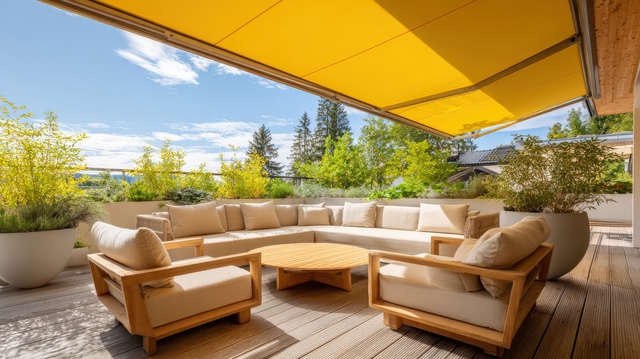
Homeowners are also adopting these strategies to turn their simple decks into high performance living zones. It is the democratization of professional-grade architecture, allowing anyone to live in a space that feels smart and responsive. It is a major lifestyle upgrade.
Why Adjustable Shade Is Becoming Standard
The shift toward adaptive design is not a passing trend that will disappear by next year. It is a fundamental change in how we expect our surroundings to behave and perform in the face of nature. It is the new architectural baseline.
As people spend more time focusing on wellness and outdoor connections, the demand for better light management will only grow. A static roof is simply no longer enough to meet the expectations of a modern buyer. We want control over our own comfort.
Standardizing these features ensures that every home and office is prepared for the challenges of a changing climate. It is the new baseline for a world that values comfort, efficiency, and the freedom to choose. The future of building is finally here.
Disclaimer
Artificial Intelligence Disclosure & Legal Disclaimer
AI Content Policy.
To provide our readers with timely and comprehensive coverage, South Florida Reporter uses artificial intelligence (AI) to assist in producing certain articles and visual content.
Articles: AI may be used to assist in research, structural drafting, or data analysis. All AI-assisted text is reviewed and edited by our team to ensure accuracy and adherence to our editorial standards.
Images: Any imagery generated or significantly altered by AI is clearly marked with a disclaimer or watermark to distinguish it from traditional photography or editorial illustrations.
General Disclaimer
The information contained in South Florida Reporter is for general information purposes only.
South Florida Reporter assumes no responsibility for errors or omissions in the contents of the Service. In no event shall South Florida Reporter be liable for any special, direct, indirect, consequential, or incidental damages or any damages whatsoever, whether in an action of contract, negligence or other tort, arising out of or in connection with the use of the Service or the contents of the Service.
The Company reserves the right to make additions, deletions, or modifications to the contents of the Service at any time without prior notice. The Company does not warrant that the Service is free of viruses or other harmful components.