Homeownership comes with daily responsibilities, but some issues can be especially common in Florida’s unique climate and geography. From humid conditions that can accelerate wear and tear, to expansive soils that shift with rainfall, Florida homes face a set of challenges that may not be top of mind for every resident.
Recognizing these issues early gives homeowners an advantage: small repairs can become major savings, and maintenance can prevent disruptions to daily life. Among the home systems that sometimes go overlooked are plumbing lines, roofing elements, drainage systems and moisture-related vulnerabilities.
One topic that frequently arises in professional home maintenance discussions is determining when your sewer infrastructure needs attention. For example, resources like sewer line is damaged provide insight into one specific type of problem, but it’s equally important to view this in context with other common home concerns in Florida.
Here’s a look at some of the most overlooked home issues in the Sunshine State, how they develop, what signs to watch for, and when to seek professional insight.

Structural Movement and Foundation Shifts
Florida’s soil conditions vary widely from region to region. In many areas, expansive clay soils can expand when wet and shrink dramatically when dry. This cycle of movement can exert pressure against foundation walls and slabs. Over time, this pressure might cause cracks in walls, uneven floors, or doors and windows that no longer close smoothly.
Homeowners often mistake cracks in drywall or brickwork for superficial cosmetic issues. In reality, they can be early indicators of movement beneath the surface. Monitoring these symptoms over time, rather than ignoring them, can help determine whether the cause is simple settling or something that requires professional evaluation.
In climates with distinct wet and dry seasons, this problem can accentuate more rapidly, making early awareness an essential part of home care.
Moisture Penetration and Mold Growth
Florida’s high humidity, frequent rainstorms, and coastal influences create an environment where moisture can collect easily in attics, crawl spaces, and interior walls. Even when it isn’t raining, humidity levels can remain elevated, leading to condensation on cool surfaces and mold growth.
Mold not only affects aesthetics and indoor air quality, but can also compromise structural elements like wood framing or insulation. Musty odors, unexplained allergy symptoms, or discolored patches on walls and ceilings are potential early signs.
One proactive solution is to encourage cross-ventilation in attics and crawl spaces, coupled with regular inspections after storm seasons. Proper grading around the home and maintaining gaps between vegetation and exterior walls also helps reduce moisture buildup.
Roofing Wear and Storm Damage
Roofs in Florida bear the brunt of intense sunlight, heavy downpours, and seasonal storms. Over time, roofing materials such as shingles or tiles may deteriorate, loosen, or allow water penetration. Because the roof is the home’s first line of defense against the elements, even seemingly minor wear can escalate into leaks, rot or interior damage if left unattended.
Regularly inspecting roofing material from ground level and after significant weather events can help catch issues early. Visible signs like missing granules in gutters, curling shingles, or water stains in attic spaces may signal the need for a more thorough evaluation.
Combining routine checks with professional inspections every few years can keep minor wear from becoming major leaks.
HVAC Strain and Filter Neglect
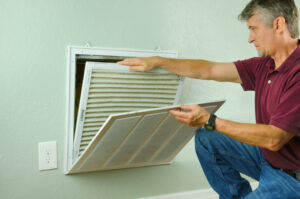
Air conditioning units work harder in Florida than in most other climates, often operating daily during warm months. This continuous use places stress on components, filters and refrigerant systems. Clogged filters, minor corrosion, or blocked condensate lines can reduce system efficiency and increase energy costs.
Homeowners sometimes wait until a system stops working before addressing these concerns. However, seasonal maintenance, including replacing filters, clearing debris around outdoor units and checking refrigerant levels, can dramatically improve comfort and reduce the likelihood of costly breakdowns in peak heat.
Regular attention to HVAC care not only supports performance, but also extends equipment lifespan.
Plumbing Infrastructure Wear and Early Detection
Water systems beneath a home often receive limited attention until a serious problem emerges. Slow drains, unusual noises, lingering odors and unexplained wet spots in yards can all be early signs of deeper issues. One specific area that sometimes gets delayed attention is the sewer line.
Resources that explain when a sewer line is damaged describe possible indicators such as backups in multiple fixtures, water pooling in an unexpected area of the lawn, or sudden increases in water bills. These symptoms may point to issues like pipe misalignment, corrosion, root intrusion, or ground movement, all of which can escalate if not addressed promptly.
Underground systems are particularly vulnerable in regions with shifting soil, tree root networks, and high water tables. Observing patterns over time and knowing when to consult professionals can prevent minor slowdowns from turning into basement backups or costly excavation repairs.
Electrical System Aging and Safety Concerns
Homes built several decades ago may still have original wiring, panels or connectors that are no longer adequate for modern electrical demands. As families add devices, appliances and entertainment systems, the load on electrical systems increases.
Occasional flickering lights, warm outlets, or breakers that trip frequently might all be subtle signs of strain within circuits. While not every issue signals a severe hazard, they are opportunities for inspection by a licensed electrician. Safety upgrades, such as adding modern circuit breakers, updating grounding systems, or installing surge protection, contribute to both peace of mind and long-term home function.
Exterior Grading and Yard Drainage
Florida’s frequent rainfall can create drainage challenges if the ground near a home slopes toward the foundation instead of away from it. Water infiltration at the perimeter can contribute to interior moisture, basement seepage or foundation weakening over time.
Observing how water runs during heavy rain and making adjustments to grading or adding drainage elements can help channel water away from structures. Invisible issues under the surface may become evident only after prolonged storms, so early observation and corrective action are important.
Pest and Termite Exposure
The warm climate in Florida also supports a year-round presence of insects and pests, including termites, which can compromise wooden structures from the inside out. Because termites feed quietly and often without immediate visible signs, homeowners may discover infestations only after significant damage has already occurred.
Routine inspections from pest management professionals are recommended, especially for homes with wood framing or moisture-prone areas. Addressing termites early reduces the impact on structural integrity and can help prevent expensive repairs.
Why Early Detection Matters
Across all these examples, a common theme is that early detection often leads to less invasive, less expensive solutions. Waiting until a minor crack becomes a primary structural concern is rarely beneficial. Regular observation, seasonal maintenance checklists, and professional assessments when needed help homeowners preserve comfort, safety and investment value.
From foundation stability and moisture control to sewer infrastructure and electrical safety, informed vigilance supports both daily confidence and long-term resilience. For more information, check out the National Association of Home Builders.
Disclaimer
Artificial Intelligence Disclosure & Legal Disclaimer
AI Content Policy.
To provide our readers with timely and comprehensive coverage, South Florida Reporter uses artificial intelligence (AI) to assist in producing certain articles and visual content.
Articles: AI may be used to assist in research, structural drafting, or data analysis. All AI-assisted text is reviewed and edited by our team to ensure accuracy and adherence to our editorial standards.
Images: Any imagery generated or significantly altered by AI is clearly marked with a disclaimer or watermark to distinguish it from traditional photography or editorial illustrations.
General Disclaimer
The information contained in South Florida Reporter is for general information purposes only.
South Florida Reporter assumes no responsibility for errors or omissions in the contents of the Service. In no event shall South Florida Reporter be liable for any special, direct, indirect, consequential, or incidental damages or any damages whatsoever, whether in an action of contract, negligence or other tort, arising out of or in connection with the use of the Service or the contents of the Service.
The Company reserves the right to make additions, deletions, or modifications to the contents of the Service at any time without prior notice. The Company does not warrant that the Service is free of viruses or other harmful components.