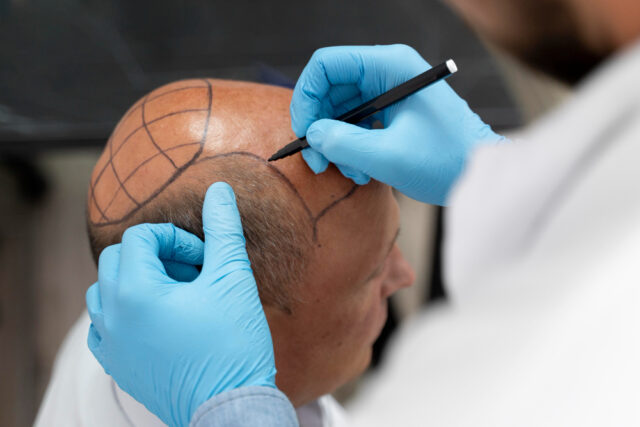
Afro hair heals on its own rhythm. The follicles curve under the skin, the scalp tends to run drier, and even small amounts of friction can bother a new hairline. That does not make recovery harder, it just makes it particular. The first month is where that difference matters most, and a calm, simple routine will do more for your result than anything fancy.
If you had your hair transplant in Turkey with Asli Tarcan Clinic, most of what follows will sound familiar. Their team is hands on about aftercare, which is one reason many patients describe it as the best clinic for Afro hair transplant in Turkey. Use their instructions first, and treat this guide as the story of what a smooth month looks like.
Week 1: Protect the work
The first seven days are quiet days. Expect a tight feeling across the scalp and a little swelling on the forehead that often peaks around day two or three. Keep your head high on a couple of pillows whenever you rest. A cold pack on the forehead for short spells will keep swelling comfortable, but never put ice or pressure on the grafts. Rooms that are cool and dry help more than people think because they keep sweat away from sensitive skin.

Washing usually begins after forty-eight hours, only if your surgeon has cleared you. Think of it as soaking rather than scrubbing. Let lukewarm water run over the scalp. Tip a mild, sulfate free shampoo into your hands, build a soft lather, and let it glide across the skin. Rinse by pouring water again. Pat dry with a soft towel and then let the air do the rest. Blow dryers can wait until week three. Afro scalps often itch in this period because they are naturally drier. A light mist with the clinic’s saline or soothing spray settles the feeling without rubbing. Hands off remains the golden rule.
You may feel a strong urge to cover the area. Hold off. Hats and anything that touches the recipient zone can move grafts in this first stretch. Choose button front shirts so nothing drags over your head. Short, flat walks around the home are fine when you feel up to it, but save the gym, steam rooms, and hot kitchens for later.
Days 8 to 14: Scabs fall, hairs shed, nerves settle
By the second week, tiny scabs form and then lift on their own. It is tempting to help them along. Do not. They are the roof tiles on a new house. They fall when the skin below is ready. During the wash, your surgeon may allow the gentlest fingertip circles to loosen what is already loose. Pink skin beneath is expected and fades.
This is also the start of shock loss. The shafts that were transplanted let go and come away in the shower or on the pillow. The roots remain. New growth will start months later. For many Afro patients, those first sprouts can look a little finer or a little straighter. Curl pattern returns as the hair matures.
Moisture management shifts here. After the first week, a drop or two of light oil such as jojoba or argan can soothe dryness around the donor edges and nearby skin. Keep product away from the fresh recipient area and keep it light. Pores should never feel coated. Stay out of direct sun. A shady route and off-peak errands are your friends until the clinic says a soft cover is safe.
Days 15 to 30: Skin calms and the real waiting begins
The third and fourth weeks feel uneventful from the outside, which is exactly what you want. Redness fades. Most of the transplanted hairs are in a resting phase below the surface. Your job is to keep the routine steady. Wash gently, keep the scalp cool, and move your body without breaking a sweat. Swimming and saunas can wait until the end of the month or until you get a clear yes from your surgeon.
Traction is the one risk that lingers beyond the first month for people who love protective styles. Give braids, weaves, and anything that tugs at the hairline a true break. Six to eight weeks is a safer window for the first light style, and longer is better if you can. Satin or silk on the pillow helps reduce friction at night as soon as the clinic says a cover is acceptable.
How a day looks when things go right
Day one you rest, you take your medicines on time, and you keep your head high. Day two you do the same, and if the team has cleared you, you take that first careful wash. Day three scabs begin and the itch can spike; you mist and you leave it alone. Days four through seven the swelling eases and you add short flat walks. In the second week the scabs fall on their own, the first shed hairs appear, and you carry on with the same gentle rhythm. In the second half of the month the skin looks calmer, you feel more like yourself, and you protect the area from heat, sun, and sweat while you wait for the calendar to do its work.
Food, water, and small choices that pay off
Healing skin likes water and protein. Keep a bottle nearby and build meals around fish, eggs, beans, or poultry. Pair iron rich greens with a fruit rich in vitamin C so your body actually absorbs the iron. Nuts and beans bring zinc without fuss. If you are curious about biotin, omega 3, or restarting minoxidil, check the timing with your surgeon so the plan matches your hair goals and your skin history. The simplest choices often help the most: smooth fabrics, loose collars, and patience.
What is normal and what needs a call
Scabs between days three and fourteen are normal. Shedding between weeks two and four is normal. Pinkness fading through the third week is normal. What is not normal is severe pain, spreading redness or warmth, pus, fever, persistent bleeding, or raised scars that grow. If any of that appears, call the clinic quickly. People with a personal or family history of keloids should mention it early and watch the donor edges as they heal.
The month that sets up the year
Most people start to see new growth around month three. Density builds through month twelve and the crown can keep improving into month eighteen. The steady, almost boring month you just completed is what makes those milestones possible. If your journey brought you to Istanbul and you worked with Asli Tarcan Clinic, keep using the same channel you used in week one. Send clear photos, ask small questions, and let the team fine tune product timing and sun protection for your skin. The goal is simple: a hairline that looks like you, with coils that feel like yours, growing in on a foundation you protected day after day.
Disclaimer
Artificial Intelligence Disclosure & Legal Disclaimer
AI Content Policy.
To provide our readers with timely and comprehensive coverage, South Florida Reporter uses artificial intelligence (AI) to assist in producing certain articles and visual content.
Articles: AI may be used to assist in research, structural drafting, or data analysis. All AI-assisted text is reviewed and edited by our team to ensure accuracy and adherence to our editorial standards.
Images: Any imagery generated or significantly altered by AI is clearly marked with a disclaimer or watermark to distinguish it from traditional photography or editorial illustrations.
General Disclaimer
The information contained in South Florida Reporter is for general information purposes only.
South Florida Reporter assumes no responsibility for errors or omissions in the contents of the Service. In no event shall South Florida Reporter be liable for any special, direct, indirect, consequential, or incidental damages or any damages whatsoever, whether in an action of contract, negligence or other tort, arising out of or in connection with the use of the Service or the contents of the Service.
The Company reserves the right to make additions, deletions, or modifications to the contents of the Service at any time without prior notice. The Company does not warrant that the Service is free of viruses or other harmful components.