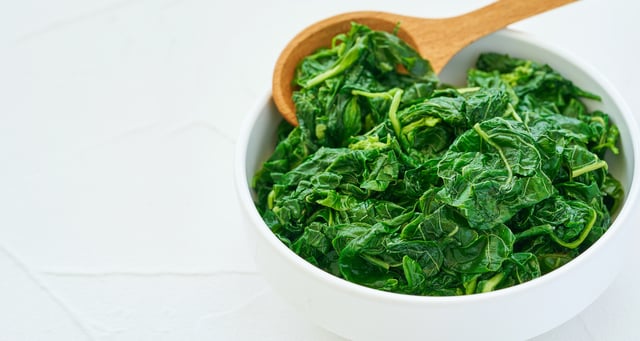
The Environmental Working Group (EWG) has released its 2026 “Dirty Dozen,” an annual list ranking the 12 fruits and vegetables most contaminated by pesticides.
For many shoppers, the guide offers a simple way to think about reducing exposure—but some experts have concerns about the list, arguing that it upholds unnecessary standards and fosters fear around healthy foods, potentially causing people to consume less of them.
So should you tote this resource to the store alongside your grocery list—or take its guidance lightly? Here’s what to know.
What Is the Dirty Dozen List?
Almost every year since 2004, the EWG has released its Shopper’s Guide to Pesticides in Produce, which includes the Dirty Dozen list, alongside another list called the “Clean Fifteen,” which highlights produce with little to no detectable pesticide residue.

The goal of these lists, said EWG associate scientist Dayna de Montagnac, MPH, is to help consumers make informed choices using food safety data they might not otherwise see.
For the 2026 lists, researchers analyzed more than 54,000 samples of 47 fruits and vegetables tested by the U.S. Department of Agriculture’s (USDA) Pesticide Data Program. Before testing, the foods were washed under running water for 15 to 20 seconds and peeled and prepared as typically eaten. Several pounds of a sample food were then blended together and analyzed for pesticide residue.
The EWG then ranked the foods based on factors like the number and toxicity of pesticide residues detected. See the chart below for the EWG’s Dirty Dozen and Clean Fifteen lists for 2026:
| 2026 Dirty Dozen (Highest Pesticide Residue) | 2026 Clean Fifteen (Lowest Pesticide Residue) |
| 1. Spinach | 1. Pineapple |
| 2. Kale, collard, and mustard greens | 2. Sweet corn (fresh and frozen) |
| 3. Strawberries | 3. Avocados |
| 4. Grapes | 4. Papaya |
| 5. Nectarines | 5. Onions |
| 6. Peaches | 6. Frozen sweet peas |
| 7. Cherries | 7. Asparagus |
| 8. Apples | 8. Cabbage |
| 9. Blackberries | 9. Cauliflower |
| 10. Pears | 10. Watermelon |
| 11. Potatoes | 11. Mangoes |
| 12. Blueberries | 12. Bananas |
| | 13. Carrots |
| | 14. Mushrooms |
| | 15. Kiwi |
The EWG also noted that this year’s list highlights the use and potential exposure to pesticides that are recognized as PFAS, or “forever chemicals”—three of the 10 most frequently detected pesticides were PFAS pesticides. Scientists are still trying to figure out how toxic these forever chemicals are, but the EWG said their persistence in the environment and potential impact on human health warrants further research.
What Experts Really Think of the Dirty Dozen
Experts caution against placing too much stock in the Dirty Dozen for various reasons, including that the list may overstate risk and that research doesn’t necessarily support extra health benefits of substituting organic produce for conventional varieties.
In reality, most produce already falls within established safety limits. Registered dietitian Toby Amidor, MS, RD, pointed to the Food and Drug Administration’s FY 2023 Pesticide Residue Monitoring Report, which found that about 97% of domestic food samples—primarily produce—met standards set by the Environmental Protection Agency (EPA), and about 39% had no detectable residues at all.3 (The EPA sets pesticide “tolerances” at levels deemed to have a “reasonable certainty of no harm,” while the FDA monitors foods to make sure residues stay within those limits.)
Meanwhile, the EWG scores produce based on how often pesticides are detected and in what combinations—meaning foods can land on the Dirty Dozen list even when residue levels are well within what federal agencies consider safe.
Additionally, the research supporting the health benefits of organic produce is not terribly compelling, said Amidor, who pointed to a study that found no decrease in risk for consumers when choosing organic fruits and vegetables over conventional ones.
From a consumer and public health perspective, the list may also deter people from buying produce at all, said registered dietitian Amy Brownstein, MS, RDN. “The Dirty Dozen can unintentionally label produce as good or bad, fueling unnecessary fear,” she said, pointing to research that showed this trend among low-income families who were afraid to buy conventional produce due to pesticide rankings.
How Much Should You Rely on This List?
While the list can offer some insight into pesticide exposure—which has been linked to conditions like certain cancers, type 2 diabetes, and cardiovascular disease—experts say it shouldn’t dictate your grocery decisions.
The bigger priority is simply eating more fruits and vegetables, a point the EWG and experts can agree on.
“Folks should still eat plenty of fruits and vegetables, whether conventionally grown or organic, as the benefits of a produce-rich diet outweigh the risks of pesticide exposure,” said Montagnac. While the Dirty Dozen may be useful back-pocket information, for overall health, keep your focus on consuming more fruits and veggies, regardless of their ranking.
Disclaimer
Artificial Intelligence Disclosure & Legal Disclaimer
AI Content Policy.
To provide our readers with timely and comprehensive coverage, South Florida Reporter uses artificial intelligence (AI) to assist in producing certain articles and visual content.
Articles: AI may be used to assist in research, structural drafting, or data analysis. All AI-assisted text is reviewed and edited by our team to ensure accuracy and adherence to our editorial standards.
Images: Any imagery generated or significantly altered by AI is clearly marked with a disclaimer or watermark to distinguish it from traditional photography or editorial illustrations.
General Disclaimer
The information contained in South Florida Reporter is for general information purposes only.
South Florida Reporter assumes no responsibility for errors or omissions in the contents of the Service. In no event shall South Florida Reporter be liable for any special, direct, indirect, consequential, or incidental damages or any damages whatsoever, whether in an action of contract, negligence or other tort, arising out of or in connection with the use of the Service or the contents of the Service.
The Company reserves the right to make additions, deletions, or modifications to the contents of the Service at any time without prior notice. The Company does not warrant that the Service is free of viruses or other harmful components.