Table of Contents • Veterans’ Unique Needs • Mental Health Programs That Build Resilience• Substance Use Recovery Programs • Physical Rehabilitation Programs That Deliver Results • Vocational Rehabilitation and Career Training • Family and Community‑Based Programs • Innovative Approaches and Future Trends • Barriers and Solutions
Leaving military service changes everything. You step into civilian life carrying experiences most people can’t imagine. Some of those experiences leave scars, both visible and hidden. Recovery isn’t simple, and generic programs rarely meet your needs. That’s why specialized rehabilitation programs matter. They’re built for you, shaped by the realities of service, and designed to help you move forward.
This article explores the programs that actually work. You’ll see how tailored approaches address mental health, substance use, and physical recovery. Let’s start by looking at the unique challenges veterans face after service and why specialized care makes all the difference.
Veterans’ Unique Needs
Every veteran’s journey is unique, yet certain challenges recur. Physical injuries such as amputations, chronic pain, or mobility issues are common, while others live with traumatic brain injury, which can affect memory and focus. Many service members also struggle with anxiety, depression, or post-traumatic stress disorder (PTSD), making reintegration into family and community life overwhelming.
Substance use can enter the picture, with pain medication or isolation sometimes leading to dependency. Combined with employment challenges during the transition to civilian careers, these factors can compound stress and slow recovery. Recognizing this complex mix of needs is the first step toward building effective rehabilitation programs that truly support veterans.

Mental Health Programs That Build Resilience
Mental health challenges can linger long after service ends, affecting focus, sleep, and relationships. Specialized mental health treatment programs provide structured support and proven therapies. Veterans benefit most when they seek providers experienced in military needs, as these centers create care environments that strengthen recovery and support long‑term well‑being.
Cognitive Behavioral Therapy (CBT)
CBT is one of the most widely recognized approaches in veteran care. It helps individuals recognize negative thinking and develop more constructive ways to respond. For veterans, this therapy often focuses on managing triggers linked to combat experiences and developing coping strategies for everyday life.
A 2023 study in BMC Psychiatry found that CBT can reduce symptoms of anxiety, depression, and PTSD among military and veteran populations. This evidence highlights its role as a practical option within broader recovery programs.
Eye Movement Desensitization and Reprocessing (EMDR)
EMDR is another trauma-focused therapy designed to help you process painful memories in a safe environment. Guided eye movements ease the emotional intensity of those experiences, making them less overwhelming. Many find the approach effective because it allows them to revisit difficult memories gradually, restoring a sense of control.
Group Therapy and Peer Support
Healing doesn’t happen in isolation. Group therapy brings you together with others who’ve walked the same path. Sharing experiences reduces isolation and builds trust. Veteran-led groups add credibility, as advice from someone who has lived through similar challenges carries weight. This peer connection often becomes a vital part of recovery.
Mindfulness and Stress Reduction Programs
Specialized programs also integrate mindfulness practices such as meditation, breathing exercises, and guided relaxation. These techniques help calm your body when anxiety spikes and strengthen resilience over time. For veterans, mindfulness is more than relaxation. It’s a tool to regain focus and stability in daily life.
Family Counseling and Integrated Care
Some programs combine individual therapy with family counseling, bringing loved ones directly into treatment plans. This clinical approach helps families understand triggers and recovery strategies, making support aligned with therapeutic goals. With integrated care, recovery is more than personal. It extends to the people closest to you.
The stigma around mental health is fading, but hesitation remains. Tailored programs emphasize that seeking care isn’t a weakness but a step toward strength. By normalizing treatment, they encourage veterans to embrace support and move forward with dignity and confidence.
Substance Use Recovery Programs
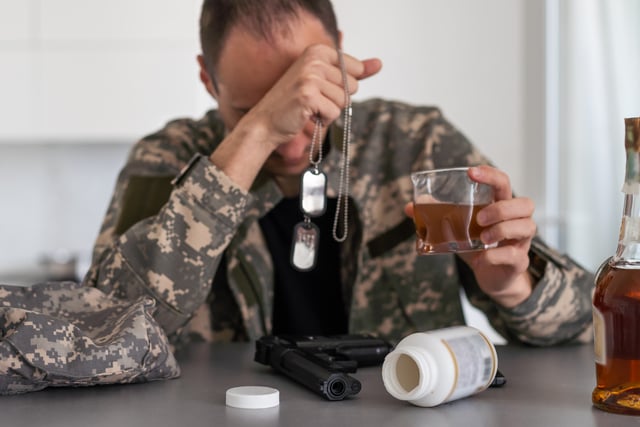
Dependency on alcohol or medication can quickly undermine progress in other areas of recovery. An addiction recovery program for military members provides guided pathways to break free from dependency, combining medical care, counseling, and peer support to restore stability.
- Inpatient rehabilitation programs: Inpatient rehab offers intensive, round‑the‑clock care in a structured environment. Veterans benefit from medical supervision, detox support, and daily therapy sessions. This immersive setting removes external triggers and provides a safe space to focus entirely on recovery.
- Outpatient treatment options: Outpatient programs allow veterans to continue living at home while attending scheduled therapy and counseling sessions. This flexibility is ideal for those balancing family or work responsibilities. Outpatient care often includes relapse prevention strategies and ongoing monitoring to ensure progress.
- Medication‑Assisted Treatment (MAT): For veterans struggling with opioid or alcohol dependency, medication‑assisted treatment combines FDA‑approved medications with counseling. MAT helps reduce cravings and withdrawal symptoms, making recovery more manageable. When paired with therapy, it supports long‑term sobriety and lowers relapse risk.
- Recovery groups and peer accountability: Veteran‑specific recovery groups create a sense of community and accountability. Sharing experiences with peers who understand military culture builds trust and motivation. These groups often complement formal treatment, offering encouragement during difficult moments.
- Integrated care for co‑occurring disorders: Many veterans face both substance use and mental health challenges. Integrated care programs address both conditions simultaneously, ensuring neither is overlooked. This holistic approach improves outcomes by treating the full picture of recovery.
Recovery programs for substance use disorders provide veterans with practical tools and supportive networks to overcome dependency. By combining medical treatment, therapy, and peer connection, they lay the groundwork for sustained sobriety and a stronger future.
Physical Rehabilitation Programs That Deliver Results
Physical injuries can make everyday tasks difficult and slow the transition back to civilian life. Specialized rehabilitation programs help military veterans regain strength, mobility, and independence through targeted therapies and adaptive support.
- Physical therapy for mobility and strength: Sessions focus on rebuilding muscle strength, improving flexibility, and restoring mobility. These programs are tailored to each veteran’s injury, helping them regain confidence in daily movement. Physical therapists often incorporate progressive exercises and balance training to help veterans safely transition from rehabilitation to everyday activities.
- Occupational therapy for daily function: This emphasizes practical skills needed for everyday living. Occupational therapists teach veterans adaptive techniques for managing tasks such as cooking, dressing, and driving, helping them gain greater independence at home and in the community. Sessions often include problem‑solving strategies and recommendations for environmental modifications, such as adding grab bars in bathrooms or rearranging living spaces to reduce fall risks.
- Pain management programs: Chronic pain can be a major barrier to recovery. Pain management programs combine medical treatment, physical exercises, and relaxation techniques to reduce discomfort and improve quality of life. Many also integrate lifestyle coaching, giving veterans tools to manage pain proactively rather than reactively.
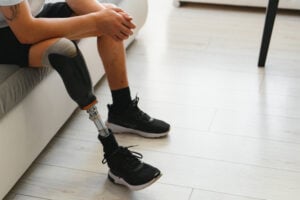
- Prosthetics and assistive technology training: For veterans with amputations or mobility limitations, specialized training ensures effective use of prosthetics, wheelchairs, or other assistive devices. These programs focus on both physical adaptation and emotional adjustment. Ongoing support often includes fine‑tuning equipment to help veterans build confidence in using technology as part of daily life.
- Adaptive sports and recreation: Adaptive sports programs encourage veterans to rebuild strength and confidence through activities like swimming, cycling, or team sports. Beyond physical benefits, they foster camaraderie and motivation. Participation also helps veterans rediscover joy in movement, reinforcing resilience and offering a sense of achievement outside traditional therapy settings.
Physical rehabilitation programs give veterans the tools to overcome injury‑related challenges and reclaim independence. By combining therapy, technology, and adaptive activities, they pave the way to stronger bodies and fuller lives.
Vocational Rehabilitation and Career Training
Transitioning from military service to civilian employment can be one of the toughest parts of recovery. Vocational rehabilitation programs are designed to bridge that gap, helping veterans identify transferable skills, explore new career paths, and build the confidence needed to succeed in the workplace.
These programs often begin with career counseling, where veterans receive guidance on aligning their strengths with opportunities in the civilian job market. Counselors help translate military experience into language employers understand, making skills more visible and valuable outside of service.
Training and education are a central focus. Some veterans pursue certifications or degree programs, while others take part in job training that prepares them for specific trades or industries. Job placement services provide practical support, connecting veterans with employers who value military experience and understand the challenges of transition.
Workplace readiness training adds another layer of preparation. Veterans learn essentials such as resume writing, interview techniques, and communication skills, helping them feel confident when stepping into new roles.
For those living with physical or cognitive challenges, vocational rehabilitation integrates adaptive strategies to make employment accessible. This might involve modified work environments or ongoing support from job coaches. By combining career development with personalized accommodations, these programs empower veterans to re‑enter the workforce with dignity and independence.
Family and Community-Based Programs
Recovery doesn’t happen in isolation. Family and community support programs recognize that veterans thrive when the people around them are engaged in the process. These initiatives strengthen relationships, reduce feelings of isolation, and create networks that make reintegration smoother.
Family counseling is often the starting point for building everyday support. It equips spouses, children, and relatives with tools to strengthen communication and create a stable home environment where recovery can take root.
Community‑based programs extend that support beyond the household. Local organizations and veteran service groups offer opportunities to connect, share experiences, and build friendships. These connections reduce loneliness and provide practical help, whether through mentorship, social activities, or volunteer opportunities.
Some programs also focus on education and outreach. Workshops and community events raise awareness about the realities of military service and recovery, helping civilians better understand and support veterans. This broader engagement fosters empathy and strengthens the social fabric around those returning from service.
Innovative Approaches and Future Trends
Rehabilitation is evolving, with technology opening new doors for veterans. Telehealth makes it easier for those in rural areas to connect with specialists, reducing travel barriers and ensuring continuity of care. AI‑driven tools now analyze progress and adjust rehabilitation plans in real time, helping providers spot setbacks early and fine‑tune therapies before problems worsen.
Data‑driven insights also allow providers to tailor treatment options more precisely. Wearable devices track movement, sleep, and stress levels, giving clinicians a clearer picture of daily challenges. Instead of a generic approach, programs adapt as veterans grow so that recovery remains effective and relevant at every stage.
Looking ahead, future trends emphasize whole‑person care. Providers are moving beyond symptom management to address physical, emotional, and social well‑being together. This integrated approach may include coordinated teams of doctors, therapists, and social workers working side by side. By treating the veteran as a whole person rather than a set of conditions, these programs create stronger outcomes and lasting change.
Barriers and Solutions
Even the strongest rehabilitation programs can fall short if veterans struggle to access them. Barriers often limit care, making it harder for recovery to take hold.
- Geographic limitations: Many veterans live far from specialized facilities, making regular attendance difficult. Mobile clinics and regional partnerships expand reach and bring care closer to home.
- Financial constraints: The cost of treatment can discourage participation. Subsidized programs, insurance coverage, and nonprofit support reduce financial pressure and make rehabilitation more attainable.
- Complex eligibility requirements: Dealing with paperwork and qualification criteria can be overwhelming. Streamlined application processes and dedicated case managers simplify access and reduce the risk of veterans getting lost in bureaucracy.
- Limited awareness of available programs: Veterans may not know what resources exist. Outreach through community organizations, veteran networks, and digital platforms increases visibility and connects veterans to the right support.
By addressing these barriers directly, rehabilitation programs become more accessible and effective. Practical solutions ensure that veterans can reach the care they need without unnecessary obstacles.
Final Thoughts
Veteran rehabilitation programs reflect the diverse challenges faced after military service. From mental health care and addiction recovery to physical rehabilitation, vocational training, and community support, each initiative responds to specific needs shaped by service and reintegration. Together, they form a network of care that restores stability and creates opportunities for renewed independence.
The impact goes beyond treatment. These programs help veterans rebuild confidence, strengthen relationships, and discover new purpose in civilian life. Recovery then becomes sustainable, restoring dignity and creating futures defined by resilience and belonging.
Disclaimer
Artificial Intelligence Disclosure & Legal Disclaimer
AI Content Policy.
To provide our readers with timely and comprehensive coverage, South Florida Reporter uses artificial intelligence (AI) to assist in producing certain articles and visual content.
Articles: AI may be used to assist in research, structural drafting, or data analysis. All AI-assisted text is reviewed and edited by our team to ensure accuracy and adherence to our editorial standards.
Images: Any imagery generated or significantly altered by AI is clearly marked with a disclaimer or watermark to distinguish it from traditional photography or editorial illustrations.
General Disclaimer
The information contained in South Florida Reporter is for general information purposes only.
South Florida Reporter assumes no responsibility for errors or omissions in the contents of the Service. In no event shall South Florida Reporter be liable for any special, direct, indirect, consequential, or incidental damages or any damages whatsoever, whether in an action of contract, negligence or other tort, arising out of or in connection with the use of the Service or the contents of the Service.
The Company reserves the right to make additions, deletions, or modifications to the contents of the Service at any time without prior notice. The Company does not warrant that the Service is free of viruses or other harmful components.