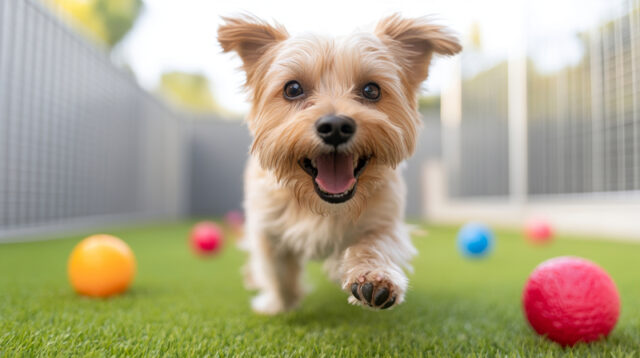
If you’re a pet owner, you know how quickly your yard can turn into a muddy mess or patchy battlefield. Those worn spots and lingering odors aren’t just eyesores—they can make outdoor time less fun for everyone. That’s why more people are turning to artificial grass as a smart way to create clean, comfortable play areas for their pets without the hassle of constant upkeep. In this article, we’ll explore how stylish fake grass combines durability and ease with pet-friendly features, helping you design an outdoor space both you and your furry friends will enjoy.
Stylish pet-friendly lawns with artificial grass offer a clean, durable, and low-maintenance alternative to natural turf, helping reduce mud, wear, and pet odors. Incorporating features like shaded dog runs, infill-free synthetic turf with superior drainage, and mixed landscaping elements such as gravel or mulch pathways can create an attractive, comfortable, and hygienic outdoor space tailored to your pet’s needs.
Why Choose Artificial Grass for Pets?
Artificial grass offers a practical and attractive alternative to natural lawns, especially for pet owners who know firsthand the troubles a traditional yard can bring. Unlike natural grass, which often suffers from worn patches, muddy spots created by enthusiastic digging or rainy weather, and lingering odors, synthetic turf provides a consistently clean surface that resists these common issues. This isn’t just about aesthetics — it’s about creating a healthier environment for both pets and their families.
Reduced Maintenance
One of the strongest reasons pet owners opt for artificial turf is the significant reduction in maintenance. Imagine no longer needing to mow weekly, water endlessly, or apply fertilizers and pesticides that might be harmful to your furry companions. Instead, you spend your time playing fetch or relaxing outside. Cleaning usually requires only a quick rinse with water or periodic brushing to keep the fibers upright. Since artificial turf drains exceptionally well—often four times faster than traditional infill-based turf systems—puddles and mud are rare even after heavy rains, reducing mess brought into the house.

Beyond convenience, this ease of care contributes directly to the turf’s longevity and resilience.
Improved Durability
Artificial grass’s ability to endure high traffic and pet activity without visible wear is impressive. Dogs, especially energetic ones that love to sprint or dig, can quickly destroy natural lawns. Synthetic turf’s dense polymer fibers and infill-free design help maintain its structure under constant use. It withstands over 10,000 pet visits per square foot annually without losing shape or comfort, according to the Synthetic Turf Council. The result is a lush appearance year-round that doesn’t need re-seeding or patching like natural grass would.
This resilience also ties into minimizing odor—a crucial factor for pet areas. Modern systems incorporate antimicrobial materials and infill-free constructions to reduce urine odor retention by up to 85%, based on University of California Davis research from 2022. These innovations mean fewer complaints about unpleasant smells lingering where your dog loves to play.
Knowing this, it’s clear why many pet owners shift focus from traditional lawns to synthetic alternatives designed with pets’ needs in mind.
“Artificial turf transformed our backyard from a muddy mess into a safe playground without worrying about wear or smell,” says one satisfied dog owner—echoing widespread sentiment from pet communities nationwide.
Additional Benefits: Safety and Hygiene
Not only does artificial grass resist damage and reduce upkeep, but it can also create healthier environments for pets. Unlike natural soils that harbor allergens or attract insects, synthetic turf reduces common lawn allergens by as much as 90%. High-quality products are lead-free, non-toxic, and have passed rigorous safety standards such as ASTM F2100 specifically for pet play areas.
Drainage is another critical aspect: artificial turf with advanced drainage systems swiftly channels water away—upwards of 30 inches per hour—which helps prevent stagnant zones where bacteria could thrive. Water moving quickly through prevents muddy paws and keeps outdoor spaces hygienic.
Considering Climate and Comfort
While durability and cleanliness are strong selling points, owners should weigh climate factors. Under direct sunlight, some artificial grasses can retain heat, becoming uncomfortably warm for pets walking barefoot. This calls for thoughtful designs that include shade structures or cooling infill materials where possible. Shaded patios or side yards tend to stay cooler and more comfortable during hot summers.
Planning your installation with proper drainage foundations like crushed stone bases ensures not only durability but also excellent urine management—keeping your pets’ outdoor area pleasant throughout seasons.
Artificial grass blends low maintenance with lasting beauty and safety features tailored for pets’ active lifestyles. When properly chosen and maintained, it offers an efficient way to balance style with function in outdoor living spaces designed for pets.
Understanding these qualities sets the stage for appreciating how synthetic lawns fit into broader lifestyle benefits homeowners seek today. Next, we examine what makes these turf systems advantageous beyond just pet-friendly features.
Benefits of Synthetic Lawns
Synthetic lawns reshape how pet owners manage their outdoor spaces by providing a solution that combines durability, hygiene, and ease of maintenance. One of the first things you notice with artificial grass is its remarkable cleanliness. Unlike natural lawns, synthetic turf doesn’t develop those unsightly yellow patches caused by pet urine, which not only spoil the look but also kill grass and create uneven spots.
Instead, synthetic lawns make cleanup straightforward: after your dog has done its business, a simple rinse with water removes waste and odors. This ability to maintain cleanliness without complicated effort fundamentally changes how pleasant and usable your yard can remain over time.
That simplicity extends beyond just physical cleanup. When it comes to allergens and toxins, artificial grass shows a clear advantage. Natural grass often collects pollen, insect larvae, and pesticides — substances that can trigger allergies or irritate sensitive skin.
With synthetic turf, you’re eliminating many of those risks since the surface is manufactured without chemical treatments or natural allergens. This vastly improves air quality surrounding pets and family alike, creating an environment where children can play barefoot and dogs can roam freely without discomfort or health concerns.
It’s worth noting that while synthetic turf offers these direct benefits, some may raise concerns about environmental implications—a topic that deserves careful consideration.
Regarding sustainability, synthetic lawns use far less water than natural grass. Lawns traditionally demand gallons of water daily to stay green—water that could otherwise be conserved or allocated for other uses.
A well-installed artificial lawn can drain efficiently—some systems manage over 30 inches of water per hour—which prevents puddling and supports quick drying even in wetter conditions. Reduced irrigation not only saves on utility costs but also lessens impact on local water supplies, especially crucial in drought-prone areas.
Another point in favor of synthetic turf is its resistance to wear and tear from active pets. Many dog owners find natural grass quickly wears down due to frequent digging, running, and bathroom use; bare patches and mud become constant issues.
High-quality synthetic grass withstands heavy traffic much better, keeping your outdoor area looking lush year-round even under significant use. This durability means less frequent repairs or lawn reseeding—saving both time and money.
Ultimately, transitioning to a pet-friendly artificial lawn transforms your outdoor space from a high-maintenance burden into a pristine, year-round sanctuary. By combining advanced durability with hygienic features like superior drainage and antimicrobial protection, you ensure a safe and comfortable environment that withstands even the most active play. This smart landscaping choice allows you to swap endless mowing and cleaning for quality relaxation, providing a lush, green backdrop where pets can roam freely and owners can enjoy peace of mind
Disclaimer
Artificial Intelligence Disclosure & Legal Disclaimer
AI Content Policy.
To provide our readers with timely and comprehensive coverage, South Florida Reporter uses artificial intelligence (AI) to assist in producing certain articles and visual content.
Articles: AI may be used to assist in research, structural drafting, or data analysis. All AI-assisted text is reviewed and edited by our team to ensure accuracy and adherence to our editorial standards.
Images: Any imagery generated or significantly altered by AI is clearly marked with a disclaimer or watermark to distinguish it from traditional photography or editorial illustrations.
General Disclaimer
The information contained in South Florida Reporter is for general information purposes only.
South Florida Reporter assumes no responsibility for errors or omissions in the contents of the Service. In no event shall South Florida Reporter be liable for any special, direct, indirect, consequential, or incidental damages or any damages whatsoever, whether in an action of contract, negligence or other tort, arising out of or in connection with the use of the Service or the contents of the Service.
The Company reserves the right to make additions, deletions, or modifications to the contents of the Service at any time without prior notice. The Company does not warrant that the Service is free of viruses or other harmful components.