Mentorship in ministry is a transformative pathway that shapes character, calling, and capacity. Rev. David Jang has built a legacy around this principle, integrating spiritual formation with practical training to raise mission-minded leaders. His approach values long-term discipleship over quick-fix solutions and emphasizes real-world ministry engagement rooted in community. Drawing from biblical mentorship patterns and adapting them to modern contexts, he has built a model that is both structurally sound and deep.
Rev. David Jang’s Role in Christian Leadership
Rev. David Jang has emerged as a noteworthy figure in Christian leadership, known for his commitment to raising the next generation of ministry leaders. His work centers on building a foundation for discipleship that goes beyond sermons and study, focusing instead on mentorship rooted in real-world ministry experience.
He is connected with several global ministry initiatives that emphasize leadership development, discipleship, and community engagement. These efforts reflect a long-term vision to equip leaders who are spiritually grounded and practically prepared. His approach blends theological depth with a strong sense of mission, making leadership training both accessible and sustainable. Many of these leaders remain active in ministry for decades due to this balanced foundation.
The Value of Mentorship in Ministry
Mentorship serves as a vital thread in the fabric of Christian leadership, nurturing spiritual maturity and practical wisdom. In ministry, leaders are often shaped not just by theological knowledge but by relationships that challenge, guide, and refine their character over time. Through mentoring, future leaders learn how to navigate real-life challenges while remaining firmly rooted in their faith.

Scripture is filled with relational models of mentorship—from Moses and Joshua to Paul and Timothy—underscoring its importance in building resilient leaders. This relational dynamic remains essential today, especially in a fast-changing world where spiritual depth and discernment are needed more than ever.
Mentorship also fosters a sense of accountability and belonging. By walking alongside someone further along the journey, emerging leaders gain clarity, encouragement, and a deeper understanding of their calling. It’s not just about transferring knowledge; it’s about shaping lives.
Core Principles of Rev. Jang’s Mentorship Model
Rev. Jang’s mentorship philosophy centers on a blend of spiritual formation, practical training, and intentional community. His model emphasizes not only teaching biblical truth but also embodying it through consistent, accountable relationships. Leaders are expected to grow not just in knowledge, but in humility, service, and integrity.
He encourages a mentorship approach that is both structured and relational, where discipleship groups and one-on-one coaching work together to create a holistic learning environment. Rather than relying solely on classroom learning, he places a strong focus on ministry engagement and real-world leadership challenges. This philosophy allows mentees to apply spiritual principles in live settings, preparing them for the unpredictable nature of ministry while remaining anchored in their faith.
Leadership Training in Practice
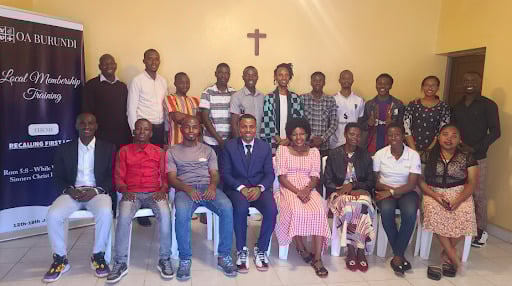
Rev. Jang’s training methods are shaped by a conviction that leadership skills are best nurtured through hands-on ministry. Rather than isolating learning to academic settings, he integrates theological instruction with active service, encouraging future leaders to lead small groups, engage in missions, and serve in various church roles. This immersive approach helps them grow in confidence and character alike.
A typical training environment under his guidance often includes structured discipleship meetings, mentorship check-ins, and regular opportunities to teach or lead within the community. These experiences enable participants to internalize what they’ve learned, not just intellectually but spiritually and practically. Through this rhythm of learning and leading, individuals are shaped into leaders who can think theologically while acting compassionately.
Outcomes and Influence on Emerging Leaders
Those mentored under Rev. Jang’s guidance often describe a transformation not only in their ministry competence but also in their personal walk with God. The emphasis on spiritual maturity alongside leadership acumen leads to individuals who are not just capable but deeply rooted in their convictions. Many have gone on to start ministries, serve in pastoral roles, or lead small communities with a clear sense of direction and purpose.
This model doesn’t produce quick results; rather, its strength lies in its long-term impact. Leaders trained under his care tend to remain steadfast even amid challenges, drawing from the values and practices instilled during their mentorship journey. Their stories often reflect a consistent vision and a resilience that echo the depth of their formation.
Extending the Vision Across Cultures and Generations
Whether applied in urban churches in Asia or small communities in North America, the core values remain relevant and effective. The emphasis on relational discipleship and contextual leadership resonates across borders.
Rev. Jang continues to invest in equipping leaders who can bridge generational gaps and navigate cultural nuances with wisdom. This adaptability ensures that the mentorship model is not bound by geography or tradition, but remains dynamic and responsive to the needs of the global Church. By raising leaders who are both culturally aware and spiritually grounded, the vision continues to expand with lasting impact.
Disclaimer
Artificial Intelligence Disclosure & Legal Disclaimer
AI Content Policy.
To provide our readers with timely and comprehensive coverage, South Florida Reporter uses artificial intelligence (AI) to assist in producing certain articles and visual content.
Articles: AI may be used to assist in research, structural drafting, or data analysis. All AI-assisted text is reviewed and edited by our team to ensure accuracy and adherence to our editorial standards.
Images: Any imagery generated or significantly altered by AI is clearly marked with a disclaimer or watermark to distinguish it from traditional photography or editorial illustrations.
General Disclaimer
The information contained in South Florida Reporter is for general information purposes only.
South Florida Reporter assumes no responsibility for errors or omissions in the contents of the Service. In no event shall South Florida Reporter be liable for any special, direct, indirect, consequential, or incidental damages or any damages whatsoever, whether in an action of contract, negligence or other tort, arising out of or in connection with the use of the Service or the contents of the Service.
The Company reserves the right to make additions, deletions, or modifications to the contents of the Service at any time without prior notice. The Company does not warrant that the Service is free of viruses or other harmful components.