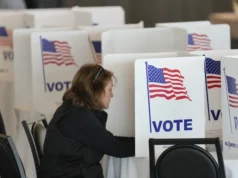
In the area of online gambling, the situation in the USA is relatively complicated. Some states have adopted legislation regulating this type of gambling. In other countries, online gambling is part of the so-called grey economy. It is often difficult to determine what types of online gambling are legal and which are not. Currently, gambling is in some form legal in all states except Hawaii and Utah. In general, most states only allow gambling that is expressly permitted by law, and other forms of gambling are considered prohibited.
The U.S. Department of Justice has held an opinion on the interpretation of federal law, especially the interpretation of the Wire Act, that all online gambling is prohibited. The Wire Acts prohibits the use of electronic communications to place bets on any sporting event.
The Unlawful Internet Gambling Enforcement Act (UIGEA), which was adopted in 2006, applies directly to the area of online gambling. This Act does not directly prohibit online gambling, regulate it, or specify which online gambling activities are illegal. The purpose of this law is to limit the possibility of getting income from illegal online gambling by prohibiting the execution of online transactions related to illegal online gambling. The Unlawful Internet Gambling Enforcement Act prohibits operators from knowingly accepting payments from participation in online gambling which is illegal under federal or state law.
The Department of the Treasury and the Federal Reserve Board have mandated regulations requiring certain online payment system operators to adopt appropriate policies and procedures that could be used to identify and prevent these transactions. The UIGEA is independent of other legal norms, such as the Banking Secrecy Act or consumer protection laws.

The reason for the adoption of the UIGEA was the fact that gambling on the Internet was primarily financed through online payments by credit cards or online bank transfers. There was a massive problem connected to repaying loans because of online gambling.
The UIGEA on the Internet was affirmed mainly because the previous legislation did not include adequate mechanisms for enforcing the ban on online gambling, especially in cases that exceeded the borders of the USA. The UIGEA does not expand any federal or state laws that regulate gambling in the United States. However, individual states may ratify legislation different from the UIGEA.
When it comes to regulating online gambling at the state level, there are some states, which allow online casinos, like VegasCrest Casino, and online bookmakers to operate. For example, some online casinos are approved in New Jersey, Pennsylvania, West Virginia or Delaware. Interestingly enough, online casinos are banned in Nevada. However, you can play here online poker or bet on sports.
Disclaimer
Artificial Intelligence Disclosure & Legal Disclaimer
AI Content Policy.
To provide our readers with timely and comprehensive coverage, South Florida Reporter uses artificial intelligence (AI) to assist in producing certain articles and visual content.
Articles: AI may be used to assist in research, structural drafting, or data analysis. All AI-assisted text is reviewed and edited by our team to ensure accuracy and adherence to our editorial standards.
Images: Any imagery generated or significantly altered by AI is clearly marked with a disclaimer or watermark to distinguish it from traditional photography or editorial illustrations.
General Disclaimer
The information contained in South Florida Reporter is for general information purposes only.
South Florida Reporter assumes no responsibility for errors or omissions in the contents of the Service. In no event shall South Florida Reporter be liable for any special, direct, indirect, consequential, or incidental damages or any damages whatsoever, whether in an action of contract, negligence or other tort, arising out of or in connection with the use of the Service or the contents of the Service.
The Company reserves the right to make additions, deletions, or modifications to the contents of the Service at any time without prior notice. The Company does not warrant that the Service is free of viruses or other harmful components.