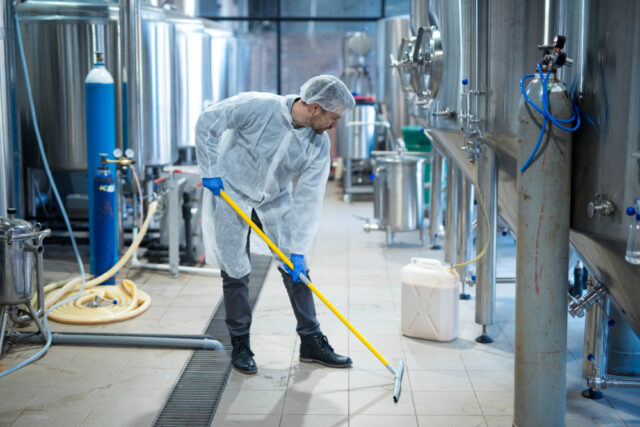
Running a warehouse in Florida comes with a unique set of challenges. Heat, humidity, heavy equipment, and strict industry regulations all create an environment where cleanliness and safety are not optional. They are core operational requirements. Industrial cleaning plays a critical role in how well a facility performs, how safe employees remain, and whether the company stays compliant with state and federal standards.
Warehouses across logistics, manufacturing, food distribution, aviation, and marine industries rely on structured cleaning processes to protect inventory, maintain equipment, and uphold OSHA and Florida Department of Environmental Protection guidelines. Whether you operate a 20,000 square-foot storage facility in Tampa or a multi-acre distribution hub in Jacksonville, a proactive approach to industrial cleaning is essential for keeping your facility safe, efficient, and fully operational.
Partnering with an experienced industrial cleaning company in Florida can help eliminate hazards, reduce downtime, and meet the specific sanitation demands unique to Florida industries.
Why Industrial Cleaning Matters for Florida Warehouses
Warehouses are high-traffic, high-demand environments. Forklifts move constantly, dust accumulates fast, spills occur, and equipment generates debris. In Florida, humidity speeds up mold growth, corrosion, and chemical breakdown, which can introduce risks that other states don’t see as often.

Effective industrial cleaning supports:
- Worker safety by reducing slip hazards, airborne particles, and equipment contamination
- Equipment longevity through proper removal of dust, grease, and corrosive buildup
- Regulatory compliance with industry-specific standards
- Operational efficiency through clear aisles, clean storage zones, and reduced downtime
When warehouses operate without a structured cleaning plan, they face higher risks of accidents, inventory damage, pest activity, and compliance violations.
Common Cleaning Requirements Across Florida Industries
Florida’s economy is powered by several large industries that have strict cleaning and sanitation requirements. Below are some sectors where industrial cleaning plays a major role.
1. Logistics and Distribution Warehouses
Florida is home to major distribution hubs serving ports in Miami, Tampa, and Jacksonville. These facilities move massive volumes of goods every day, making them prone to dust accumulation, pallet debris, tire marks, and spills.
Typical cleaning needs include:
- High-dusting of rafters and overhead structures
- Floor scrubbing and degreasing
- Loading dock sanitation
- Conveyor belt cleaning
- Breakroom and restroom sanitization
Distribution centers must maintain OSHA-compliant floors, clean aisles, and clear emergency exit routes at all times.
2. Food Storage and Cold Chain Facilities
Facilities handling food products for grocery supply, seafood distribution, citrus storage, and refrigerated trucking must follow strict FDA and Florida Department of Agriculture sanitation guidelines.
Key cleaning priorities include:
- Deep sanitization of cold storage rooms
- Mold and mildew prevention in humid environments
- Spill cleanup of food products
- Regular disinfection of high-touch surfaces
- Zero-tolerance pest control prevention
Cleanliness directly affects food safety. Any contamination can lead to product recalls, financial losses, or shutdowns.
3. Manufacturing and Fabrication Plants
Florida’s manufacturing sector spans electronics, plastics, aerospace components, metal fabrication, and medical devices. Each category has its own contamination risks and OSHA requirements.
Cleaning tasks typically include:
- Oil, grease, and coolant removal
- Industrial degreasing around machinery
- Metal shavings and particulate cleanup
- Air filtration maintenance
- Floor stripping and resurfacing where required
Clean environments reduce mechanical failures and prevent respiratory hazards for workers exposed to industrial dust.
4. Aviation and Aerospace Facilities
With major hubs like Orlando, Tampa, and Cape Canaveral, Florida remains a central location for aviation and aerospace operations. These environments demand extremely strict cleaning due to sensitive equipment and complex machinery.
Cleaning needs often involve:
- Hangar floor cleaning and polishing
- Aircraft part degreasing and residue removal
- Hazardous material containment cleaning
- Environmental compliance for chemical waste
- Precision cleaning for sensitive components
Failure to maintain cleanliness can lead to contamination, safety violations, or mechanical malfunctions.
5. Marine, Port, and Shipyard Operations
Florida ports handle bulk cargo, cruise operations, shipping containers, and marine repair. Saltwater corrosion, petroleum residue, and marine growth create cleaning challenges not found inland.
Industrial cleaning teams typically handle:
- Salt and corrosion removal
- Bilge cleaning
- Dockside degreasing
- Oil and fuel spill cleanup
- Pressure washing of marine equipment and yards
Proper cleaning protects metals from corrosion and helps facilities meet FDEP stormwater and runoff requirements.
Common Hazards Reduced by Industrial Cleaning
A warehouse is only efficient when it is clean and hazard-free. Below are some of the most common risks found in Florida warehouses that cleaning helps prevent.
Slip and Trip Hazards
Forklift leaks, pallet debris, spilled liquids, and dust buildup create some of the most frequent workplace injuries. Regular floor cleaning keeps surfaces compliant and safe.
Air Quality Issues
Dust, mold, chemical vapors, and industrial particulates can quickly become airborne, especially in humid Florida environments. Poor air quality reduces worker productivity and can violate OSHA standards.
Equipment Malfunction
Dirt, grease, and debris can interfere with machinery operation, causing breakdowns, overheating, or contamination in sensitive systems.
Pest Infestations
Warm temperatures attract insects and rodents. A clean warehouse eliminates food sources, nesting materials, and moisture buildup.
Cross-Contamination
Especially critical in food, medical, and aerospace industries. Proper sanitization prevents contaminants from spreading into sensitive areas or onto products.
Key Industrial Cleaning Services for Warehouses
A well-structured warehouse cleaning plan typically includes the following service categories:
1. Floor Cleaning and Degreasing
Floors are the backbone of warehouse movement. Services include:
- Auto-scrubbing
- Pressure washing
- Degreasing
- Surface restoration
- Concrete sealing
These services keep high-traffic areas clean, non-slippery, and visually professional.
2. High-Dusting and Overhead Cleaning
Dust accumulates quickly in rafters, beams, lights, sprinkler systems, and ventilation ducts. High-dusting prevents airborne hazards and keeps overhead equipment functioning properly.
3. Machinery and Equipment Cleaning
Removing grease, oils, metal shavings, and industrial residue extends equipment lifespan and helps maintain production efficiency.
4. Sanitization and Disinfection
Critical for industries like food storage, pharmaceuticals, medical devices, and hospitality supply chains. This includes:
- EPA-approved disinfectants
- Touchpoint sanitization
- Mold and mildew prevention
- Restroom and breakroom deep cleaning
5. Exterior and Grounds Cleaning
Florida facilities often battle environmental buildup from salt air, dust, pollen, and humidity.
Exterior cleaning may include:
- Pressure washing building exteriors
- Parking lot cleaning
- Loading dock sanitation
- Dumpster pad cleaning
Florida Regulatory Standards That Warehouses Must Meet
Florida facilities must comply with several ongoing safety and sanitation standards, including:
OSHA 1910 General Industry Standards
Covers floors, storage, ventilation, hazardous materials, and worker safety.
Florida Department of Environmental Protection (FDEP)
Regulates waste disposal, chemical runoff, and stormwater management.
FDA and Department of Agriculture
For food storage and processing environments.
EPA Regulations
Applicable when facilities use certain chemicals or generate specific waste types.
A professional cleaning team helps ensure your warehouse remains compliant year-round.
Why Florida Warehouses Benefit From Professional Industrial Cleaning
Bringing in professionals saves companies time, money, and operational stress. Benefits include:
- Consistent, predictable cleaning schedules
- Access to commercial-grade equipment
- Compliance support for industry regulations
- Reduced employee injuries
- Improved productivity and workflow
- Better warehouse appearance for customers and audits
Warehouses with structured cleaning programs operate smoother and face fewer unexpected shutdowns.
Final Thoughts
Industrial cleaning is not just about appearance. It is about protecting employees, meeting regulatory standards, avoiding equipment failures, and maintaining efficiency in Florida’s demanding industrial environments. Whether you manage a manufacturing plant in Orlando, a food storage facility in Lakeland, or a logistics hub in Miami, a proactive cleaning strategy keeps your operation safe, compliant, and ready for growth.
Working with a reliable industrial cleaning partner ensures your warehouse stays clean, efficient, and prepared for the unique challenges Florida industries face every day.
Disclaimer
Artificial Intelligence Disclosure & Legal Disclaimer
AI Content Policy.
To provide our readers with timely and comprehensive coverage, South Florida Reporter uses artificial intelligence (AI) to assist in producing certain articles and visual content.
Articles: AI may be used to assist in research, structural drafting, or data analysis. All AI-assisted text is reviewed and edited by our team to ensure accuracy and adherence to our editorial standards.
Images: Any imagery generated or significantly altered by AI is clearly marked with a disclaimer or watermark to distinguish it from traditional photography or editorial illustrations.
General Disclaimer
The information contained in South Florida Reporter is for general information purposes only.
South Florida Reporter assumes no responsibility for errors or omissions in the contents of the Service. In no event shall South Florida Reporter be liable for any special, direct, indirect, consequential, or incidental damages or any damages whatsoever, whether in an action of contract, negligence or other tort, arising out of or in connection with the use of the Service or the contents of the Service.
The Company reserves the right to make additions, deletions, or modifications to the contents of the Service at any time without prior notice. The Company does not warrant that the Service is free of viruses or other harmful components.