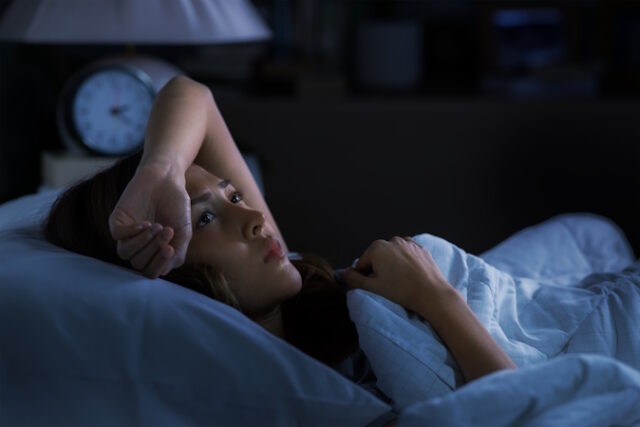
In the relentless quest for better sleep, Hyperbaric Oxygen Therapy (HBOT) emerges as a surprising yet potent ally. This article explores the intriguing connection between HBOT and enhanced sleep quality, delving into the science, history, and potential of this innovative therapy.
HBOT, a process involving breathing pure oxygen in a controlled, pressurized environment typically within HBOT chambers, is stepping into the spotlight for its role in improving sleep quality. The increased oxygen levels in the bloodstream during HBOT sessions are believed to have a significant impact on sleep patterns.
The HBOT-sleep connection
- Enhanced oxygenation: Improved oxygen levels can lead to better sleep quality.
- Reduced inflammation: HBOT’s anti-inflammatory effects may alleviate sleep-disrupting conditions.
- Stress reduction: The therapy’s calming environment can decrease stress, a common barrier to restful sleep.
Hyperbaric oxygen chambers, the core of HBOT, are not just non-medical devices; they are vessels that transport patients to a state of enhanced well-being, potentially improving sleep quality.
HBOT’s role in sleep enhancement
The exploration of HBOT in the realm of sleep improvement is relatively new, yet it shows promising results. By enhancing oxygen delivery to tissues and organs, HBOT may help in resetting disrupted sleep patterns.

How HBOT enhances sleep
- Improved brain oxygenation: Enhanced oxygen levels may promote better brain function, leading to improved sleep.
- Regulation of sleep cycles: Potential normalization of circadian rhythms disrupted by various factors.
- Reduction in sleep apnea symptoms: Improved oxygenation could benefit those suffering from sleep apnea.
The interdisciplinary approach to HBOT and sleep research
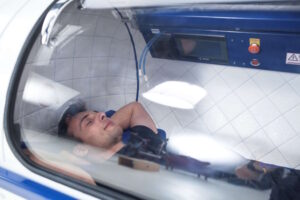 The exploration of HBOT’s effects on sleep quality is a perfect example of the need for an interdisciplinary approach in medical research. Collaboration between sleep specialists, neurologists, psychologists, and hyperbaric medicine experts is essential to fully understand and harness the therapy’s potential.
This collaborative effort can lead to more nuanced research, taking into account the multifaceted nature of sleep disorders. It also ensures a more comprehensive understanding of how HBOT can be integrated into existing sleep therapy protocols, potentially leading to more effective and personalized treatment plans for those suffering from sleep disturbances.
The process: experiencing HBOT
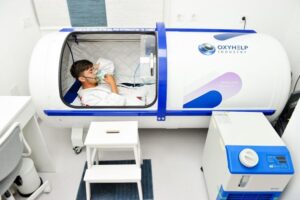
Entering an HBOT chamber is a unique experience. Patients lie in a chamber, breathing in pure oxygen, and often report a sense of calm and relaxation, conducive to better sleep.
Inside the Chamber
- The atmosphere: A controlled, pressurized environment.
- The duration: Sessions typically last 90-120 minutes.
- The sensation: Many find the experience relaxing, a precursor to improved sleep.
While HBOT shows promise for sleep improvement, it’s not without challenges. Cost, accessibility, and patient suitability are key considerations.
Future Prospects
- Advanced chamber technology: Making treatments more efficient and comfortable.
- Broader accessibility: Expanding availability to more patients.
- Integrated treatments: Combining HBOT with other sleep therapies for enhanced results.
Patients who undergo HBOT for sleep improvement often share stories of transformation. These narratives highlight not just physical changes but also emotional and psychological upliftment.
Exploring the psychological benefits of HBOT for Sleep
The psychological benefits of HBOT, particularly in relation to sleep, are an area ripe for exploration. The therapy’s ability to induce a state of relaxation and calm during sessions is believed to extend beyond the physical realm.
For individuals struggling with sleep disturbances often exacerbated by stress and anxiety, HBOT can offer a sanctuary of sorts. The experience of lying in a hyperbaric chamber, isolated from the outside world, can provide a mental break, a respite from the daily stressors that often hinder sleep.
This psychological aspect of HBOT is as crucial as its physiological effects, potentially offering a holistic approach to treating sleep disorders.
HBOT’s impact on sleep parameters
| Sleep Parameter | Impact of HBOT |
| Sleep Duration | Potential increase in total sleep time. |
| Sleep Quality | Improvement in sleep depth and restfulness. |
| Sleep Disorders | Possible alleviation of conditions like insomnia. |
The impact on patients
- Improved sleep quality: Reports of deeper, more restful sleep.
- Reduced insomnia symptoms: Many experience a decrease in sleepless nights.
- Enhanced daytime energy: Better sleep leads to increased energy and alertness during the day.
Navigating the regulatory and ethical landscape
 As HBOT gains traction in the realm of sleep therapy, navigating its regulatory and ethical landscape becomes crucial. The medical community and regulatory bodies are tasked with balancing the promising benefits of HBOT with the need for stringent safety standards and ethical considerations.
The advancement of HBOT in the field of sleep improvement is not just the work of individual researchers or practitioners; it’s a collaborative effort. This interdisciplinary approach is crucial for developing comprehensive treatment protocols that maximize the benefits of HBOT.
HBOT and its role in circadian rhythm regulation
Another intriguing aspect of HBOT in the context of sleep is its potential role in regulating circadian rhythms. Disruptions in these natural cycles are a common cause of sleep disorders.
The heightened oxygen levels provided by HBOT may have a resetting effect on these rhythms, helping to realign the body’s natural sleep-wake cycle. This aspect of HBOT could be particularly beneficial for individuals whose circadian rhythms have been disrupted due to factors like shift work, jet lag, or chronic stress. By helping to stabilize these rhythms, HBOT may not only improve sleep quality but also overall well-being.
Hyperbaric Oxygen Therapy, with its unique approach to enhancing sleep quality, stands as a testament to the innovative spirit of modern medicine. As we continue to explore and harness its capabilities, HBOT is set to redefine our approach to sleep therapy, offering a blend of health benefits that go beyond the conventional.
Disclaimer
Artificial Intelligence Disclosure & Legal Disclaimer
AI Content Policy.
To provide our readers with timely and comprehensive coverage, South Florida Reporter uses artificial intelligence (AI) to assist in producing certain articles and visual content.
Articles: AI may be used to assist in research, structural drafting, or data analysis. All AI-assisted text is reviewed and edited by our team to ensure accuracy and adherence to our editorial standards.
Images: Any imagery generated or significantly altered by AI is clearly marked with a disclaimer or watermark to distinguish it from traditional photography or editorial illustrations.
General Disclaimer
The information contained in South Florida Reporter is for general information purposes only.
South Florida Reporter assumes no responsibility for errors or omissions in the contents of the Service. In no event shall South Florida Reporter be liable for any special, direct, indirect, consequential, or incidental damages or any damages whatsoever, whether in an action of contract, negligence or other tort, arising out of or in connection with the use of the Service or the contents of the Service.
The Company reserves the right to make additions, deletions, or modifications to the contents of the Service at any time without prior notice. The Company does not warrant that the Service is free of viruses or other harmful components.