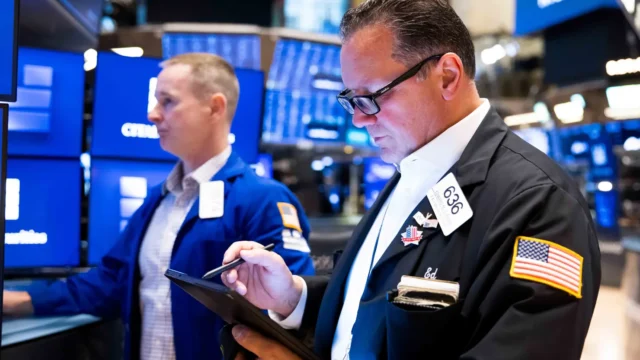
Traders and analysts work insane hours. The market opens, research begins, positions are monitored, news is analyzed, and the day ends when someone decides it does. Which usually means it doesn’t really end at all. Checking portfolios at midnight becomes normal, responding to market movements at 6 am feels necessary even though you know it probably isn’t. Work bleeds into every hour without clear boundaries, and most people in finance just accept that as how things are.
Why Finance Professionals Lose Track of Time
Markets operate across time zones, so something is always happening somewhere. Asian markets close, European markets open, and US markets open afterward. Cryptocurrency trades 24/7, with literally no breaks. Forex moves constantly through the week, weekends are the only pause, and even then, things happen that affect Monday’s open. The nature of trading makes it basically impossible to ever truly be off the clock, which sounds dramatic but ask anyone who trades for a living. This is why something simple like keeping track of time by calculating the time between two times such as when you start and end a trading sessions can be have such a significant impact..
Hedge fund managers and portfolio analysts face constant pressure to stay informed. Missing a significant news event or earnings report could mean missed opportunities, or worse, unexpected losses on positions you’re already holding. That fear of missing something important keeps people checking their phones during dinner and weekends and vacations. The anxiety about being disconnected never entirely goes away; it becomes part of who you are over time.
The Hidden Cost of Always-On Culture
Burnout in finance is real, and it happens more often than people admit. You think you’re handling the stress until suddenly you’re not handling anything. Physical symptoms appear that you ignore at first, sleep quality drops, but you blame it on markets being volatile, decision-making gets worse, but you don’t notice until after the bad trade has already happened. Trading requires sharp mental focus and fatigue leads to mistakes that cost actual money, not theoretical money.

Relationships suffer when work dominates everything, obviously. Partners and families get frustrated with constant phone checking and work interruptions that you promise will stop but never do. Social commitments get cancelled when markets turn volatile or a big trade goes wrong. “Just this one more hour” turns into four hours, and it happens repeatedly until trust erodes and people stop inviting you to things.
Why Tracking Hours Actually Matters
Most traders and analysts don’t actually know how many hours they work. They feel busy constantly but couldn’t tell you where the time goes if asked. Tracking creates awareness, which is the first step to changing anything. Seeing “72 hours this week” written down is different than just feeling tired, the number makes it real somehow.
Tracking reveals patterns that aren’t obvious when you’re just living through it. Maybe every Tuesday runs long because of recurring meetings that could be shorter or eliminated altogether. Weekend work might concentrate on Sundays because of Monday anxiety about positions opening. Certain clients or projects consistently demand more time than they’re worth but you don’t realize it without data. Patterns show up clearly once you start actually measuring.
Methods for Tracking Time in Trading Environments
Simple spreadsheet tracking works but requires discipline that most people don’t have consistently. Logging start and end times manually throughout the day interrupts the workflow, which somewhat defeats the purpose. End-of-day logging relies on memory, which is notoriously unreliable; people forget breaks, phone calls, and research rabbit holes that ate an hour without producing anything useful.
Automated time-tracking software eliminates the memory problem entirely. Apps run in the background, log when work applications are active, track which programs get used most. Some traders resist this feeling, like it’s surveillance, even though the data is for personal use. The discomfort is understandable but the data helps understand actual work patterns versus what you think your patterns are, and those two things rarely match.
Setting Realistic Boundaries in Markets That Never Sleep
Complete disconnection isn’t realistic for active traders, trying to enforce that just creates anxiety that defeats the purpose. Setting partial boundaries works better than absolute separation that won’t hold anyway. Designating certain hours as phone-checking only, not active trading, gives some mental space while staying informed enough to sleep at night. Different market segments allow different boundary options which makes this complicated. Equity traders can reasonably disconnect after market close, checking headlines but not actively managing positions. Futures and forex traders face more challenges with round-the-clock markets that literally never stop. Finding windows that work requires an honest assessment of what actually needs attention versus what just feels like it does, and those are different things.
Trading floors traditionally had physical boundaries that created natural work limits. Arriving at the office and leaving it provided clear start and end points that no longer exist. Remote work and mobile trading apps destroyed these boundaries completely. Work now happens anywhere anytime which sounds convenient but means it happens everywhere all the time, there’s no escape. Deliberately creating structure helps restore some balance. Designating a specific workspace at home, even just a corner or a desk, creates psychological boundaries that matter even if they seem arbitrary. Changing clothes after work hours signals transition time to your brain somehow. These might seem silly or performative but physical and environmental cues influence mental states more than people think they do.
Conclusion
Working more hours doesn’t actually mean better performance in trading, though everyone acts like it does. Fatigued traders make worse decisions regardless of experience level or intelligence. Research shows decision quality deteriorates after extended periods of concentration but people ignore this because grinding feels productive. The tenth hour of analysis produces lower quality insights than the third hour, the data proves this but the culture doesn’t care.
Finance careers burn people out by 35 or 40 which isn’t sustainable for professionals who want to trade or manage portfolios for decades. Building sustainable habits early prevents later crashes that end careers prematurely. Plenty of talented traders leave the industry not because they’re bad at it but because the lifestyle becomes unbearable.
Institutional cultures are slowly recognizing that this problem exists. Some hedge funds now track analyst hours and enforce limits, though enforcement varies wildly. Banks started implementing mental health programs after too many high-profile issues that made headlines. The changes happen slowly and inconsistently, but the direction is clear: unsustainable hours damage both people and long-term performance, even if short-term numbers look okay.
Disclaimer
Artificial Intelligence Disclosure & Legal Disclaimer
AI Content Policy.
To provide our readers with timely and comprehensive coverage, South Florida Reporter uses artificial intelligence (AI) to assist in producing certain articles and visual content.
Articles: AI may be used to assist in research, structural drafting, or data analysis. All AI-assisted text is reviewed and edited by our team to ensure accuracy and adherence to our editorial standards.
Images: Any imagery generated or significantly altered by AI is clearly marked with a disclaimer or watermark to distinguish it from traditional photography or editorial illustrations.
General Disclaimer
The information contained in South Florida Reporter is for general information purposes only.
South Florida Reporter assumes no responsibility for errors or omissions in the contents of the Service. In no event shall South Florida Reporter be liable for any special, direct, indirect, consequential, or incidental damages or any damages whatsoever, whether in an action of contract, negligence or other tort, arising out of or in connection with the use of the Service or the contents of the Service.
The Company reserves the right to make additions, deletions, or modifications to the contents of the Service at any time without prior notice. The Company does not warrant that the Service is free of viruses or other harmful components.