Every year, roughly 795,000 people in the United States experience a stroke, drastically impacting their quality of life and remaining the leading cause of disability in our country. Neurological disability is not just a US problem, however. According to the World Health Organization, over 3 billion people across the globe have some form of neurological condition.
Recognizing a stark need for the rapid delivery of effective therapies, innovators have poured effort into developing ways of delivering therapies that improve on past methods. In recent years, Remote Therapeutic Monitoring (RTM) has transformed how clinicians deliver and track therapies to enhance patient outcomes and overall patient care.
“This cutting-edge technology can remotely monitor patients’ progress, provide timely feedback, and make adjustments without the need for in-person visits,” explains Guillem Singla Buxarrais, co-founder and CEO of Neurofenix, a virtual care provider helping to shape the future of neurological rehab.
Here, we explore RTM’s innovative emergence and how it is changing the state of neurological rehabilitation.

What is RTM?
RTM is particularly useful for patients with neurological conditions, as the technology allows continuous, personalized therapy to be delivered in the comfort of the patient’s home. Through RTM, neurotherapies like stimulation, neurostimulation, and neuromodulation can seamlessly integrate into existing care, resulting in comprehensive support and HIPAA-compliant reports that help all members of the treatment team stay abreast of changes and outcomes.
“RTM uses digital tools to gather and share patient health data with their team of healthcare providers,” says Singla. The continuous flow of information generated by RTM enables real-time feedback and adjustments, just as if the patient were being seen in the office. This saves the patient the time and frustration of frequent hospital or clinic visits.
By allowing clinicians to stay connected through RTM, patient outcomes can be drastically improved. “RTM technology allows us to stay connected to patients throughout their recovery journey,” says Singla. “We are allowing them to achieve their goals at home.”
The benefits of RTM
Along with improved outcomes, the use of RTM comes with a wealth of benefits for both clinicians and patients because the technology provides increased convenience for all parties. Traditional approaches to therapeutic patient care often involve extra costs and inconveniences related to in-person doctor visits, which can take a toll on both clinicians and patients. With RTM, however, patients can stay in the comfort of their own homes, and clinicians do not have to worry about fitting patients into their busy in-office schedules.
Additionally, RTM offers cost savings for patients because monitoring neurological rehab through RTM can be far more cost-efficient than traditional rehab monitoring. By minimizing the need for in-person visits and hospital stays, RTM can save patients hundreds to thousands of dollars.
RTM also helps with accessibility and leads to higher patient engagement. Many people do not have equitable access to neurological therapy services, but through RTM, more people can maneuver around barriers to care, such as location, high costs, transportation, and wait lists.
And with real-time feedback and easy access to their health data, patients can feel more involved in their rehabilitation and recovery, making them more likely to adhere to their therapy regimen and gain a stronger, self-defined role in their overall health.
An approach to RTM
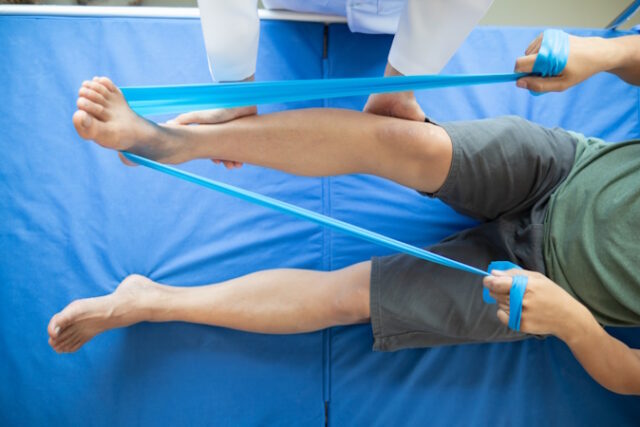
Modern clinicians can use several approaches to remotely monitor patients’ therapies. For example, home therapy exercise programs have been developed so patients can conduct personalized therapy programs at home, which then send information about their adherence to the regimen and progress directly to their doctors.
Therapeutic monitoring devices can track key metrics, such as reps or steps, within a therapy regimen and provide details about patient progress. Examples of RTM devices that have been developed include smart watches that monitor musculoskeletal activity, mobile apps that allow at-home monitoring of therapy progression, or various Software-as-a-Medical Device (SaMD) programs that track therapy adherence or data dissemination. Through RTM programs like those provided by industry leader Neurofenix, such as their NeuroBall, patients can receive customized therapy plans tailored to individual goals.
Furthermore, clinicians can effectively monitor patients in real time so they can motivate their patients and adjust therapies as needed. Through integrated care platforms, doctors can provide effective care delivery coordinated between a patient’s healthcare providers. Reliable monitors can be wearable, app-based, or home-care-based, allowing people to stay in their homes as they recuperate.
A shift in healthcare
“RTM represents a significant shift in how healthcare is delivered,” says Singla. With state-of-the-art technology, clinicians can monitor patient health remotely, ensuring optimized therapy sessions for the best outcomes.
For RTM to be successful, it requires accurate data collection, high-quality devices, and user-friendly equipment that doesn’t hinder its ability to create better outcomes. With patients taking an active role in their recovery, therapy outcomes are bound to improve.
RTM is revolutionizing neurorehab, ushering in an era of highly personalized health, accessible care, and effective communication with clinicians. The innovative RTM approach effectively closes the gap between clinicians and patients and upends traditional therapy models. As concerns about healthcare costs and outcomes persist, innovations such as RTM allow patients to take control of their therapy outcomes, allow clinicians to communicate with entire healthcare teams, and open the door for further innovations in the therapy space.
Disclaimer
Artificial Intelligence Disclosure & Legal Disclaimer
AI Content Policy.
To provide our readers with timely and comprehensive coverage, South Florida Reporter uses artificial intelligence (AI) to assist in producing certain articles and visual content.
Articles: AI may be used to assist in research, structural drafting, or data analysis. All AI-assisted text is reviewed and edited by our team to ensure accuracy and adherence to our editorial standards.
Images: Any imagery generated or significantly altered by AI is clearly marked with a disclaimer or watermark to distinguish it from traditional photography or editorial illustrations.
General Disclaimer
The information contained in South Florida Reporter is for general information purposes only.
South Florida Reporter assumes no responsibility for errors or omissions in the contents of the Service. In no event shall South Florida Reporter be liable for any special, direct, indirect, consequential, or incidental damages or any damages whatsoever, whether in an action of contract, negligence or other tort, arising out of or in connection with the use of the Service or the contents of the Service.
The Company reserves the right to make additions, deletions, or modifications to the contents of the Service at any time without prior notice. The Company does not warrant that the Service is free of viruses or other harmful components.