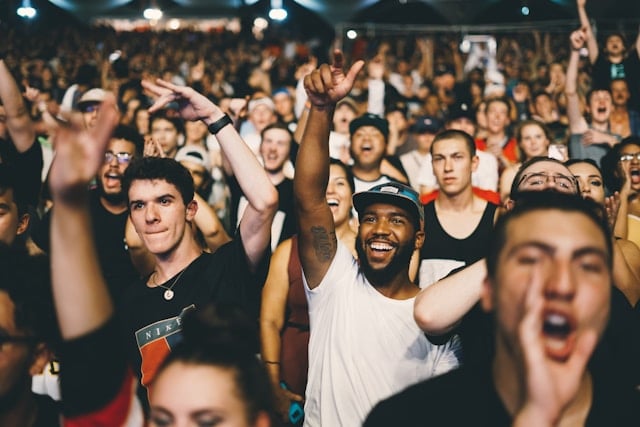
Sports used to be a one-way experience. Fans watched, reacted, celebrated, or commiserated. That rhythm still exists today, but something new has entered the picture, gradually reshaping how people connect with games as they unfold.
Prediction markets are turning that familiar experience into something more dynamic, less about sitting back and more about leaning in. The shift changes how fans interact with each moment as it unfolds. The result is a version of fandom that feels closer to participation than observation, where every moment carries a little more weight and attention stays locked in from start to finish.
Turning Live Games Into Active, Real-Time Decisions
A game no longer unfolds only on the scoreboard. It now plays out in real time through decisions that mirror what’s happening on the field. A fourth-quarter comeback, a key injury, or a coaching adjustment can shift momentum instantly and fans react just as quickly.
That shift creates a different kind of engagement. Instead of making a single prediction before kickoff and waiting for the outcome, fans stay involved throughout the entire contest. Attention sharpens. Every possession matters a little more.

Moments that once passed quickly now invite a second look. A missed shot or a surprise substitution isn’t just a talking point; it becomes something to respond to. That ongoing interaction keeps viewers connected well beyond the usual peaks and lulls of a game.
Blending Data, Instinct, and Entertainment Into One Experience
Sports have always sparked debate. Who has the edge? Which team has momentum? Those conversations still happen, but now they come with a numerical layer attached, often reflecting real-time shifts in crowd sentiment.
Prediction markets turn opinions into measurable signals. A belief about a team’s chances isn’t just spoken, it’s reflected in shifting probabilities, blending instinct with real-time information, as prices adjust instantly to new game developments.
This mix of analysis and entertainment adds texture to the viewing experience. Broadcasts reference win probabilities, social discussions lean on numbers, and even casual viewers begin spotting patterns they might have missed before.
Replacing Passive Viewing With a Participant Mindset
A subtle but meaningful shift is happening in how fans see themselves. Watching turns into participating. Cheering shifts into anticipating the next move, as decisions increasingly shape the viewing experience in real time.
This mindset doesn’t require deep expertise. It simply encourages a different perspective. Fans begin tracking scenarios instead of just outcomes. A close game is no longer just tense, it becomes a series of possibilities unfolding in real time.
Understanding how these platforms function is key to that transition. Concepts like outcome structure, payouts, and shifting positions can feel unfamiliar at first, but resources like FanDuel Predicts FAQs offer a clear, practical overview without unnecessary complexity.
With that foundation, engagement becomes more intentional. Fans are not just hoping for a result, they’re actively interpreting what’s happening and adjusting their perspective as the game evolves.
Extending Engagement Beyond Kickoff and Final Whistle
Game day used to define the fan experience. Everything used to build toward kickoff and end with the final whistle. Now, that timeline stretches, with engagement spanning entire seasons instead of just single events.
Prediction markets keep fans connected well beyond a single game. Conversations start earlier around matchups and roster changes, and interest continues even when no games are being played.
That extended engagement shows up in a few key ways:
- Following award races and season milestones,
- Tracking team performance trends over time,
- Staying involved during trade windows and roster shifts.
The result is a more continuous connection to sports. Instead of checking in occasionally, fans remain part of the conversation throughout the entire season, following developments, narratives, and shifting expectations in real time.
Creating a More Social and Shared Sports Experience
Sports have always been social, but prediction markets amplify that dynamic in new ways, by making individual decisions visible and open to real-time feedback. Every decision becomes something that can be discussed, debated, or even challenged.
Group chats feel more active, and social feeds carry more context. Fans no longer just react to highlights. They share insights informed by data and timing, with early calls often fueling conversations that continue long after the final whistle.
This shift also changes the tone of those conversations. Opinions still matter, but they’re often paired with evidence, making the shared experience richer as fans move from simply watching together to analyzing together.
Encouraging a Deeper, More Strategic Connection to the Game
A closer look at fan behavior reveals something interesting. Engagement isn’t just increasing, it’s becoming more thoughtful. Fans are paying closer attention to details that once felt secondary during live play.
Details that once went unnoticed start to stand out. Coaching tendencies, player rotations, and situational performance take on greater importance, helping fans recognize patterns and anticipate shifts before they happen.
That deeper connection also shapes fan reactions. Highs and lows still exist, but they’re balanced by a broader understanding of the game’s flow, turning sports into an ongoing process of learning, adapting, and seeing the game from multiple angles.
A Shift Toward More Involved and Informed Sports Fans
Prediction markets are not replacing traditional fandom, they’re expanding it. The core emotions remain the same, but the way fans interact with the game is evolving.
Engagement now stretches across time, blends instinct with data, and invites participation at every stage. The result feels more immersive, more social, and more connected to the action itself. For many fans, that added layer doesn’t take away from the experience. It deepens it. It creates a stronger sense of involvement with every moment that unfolds.
Disclaimer
Artificial Intelligence Disclosure & Legal Disclaimer
AI Content Policy.
To provide our readers with timely and comprehensive coverage, South Florida Reporter uses artificial intelligence (AI) to assist in producing certain articles and visual content.
Articles: AI may be used to assist in research, structural drafting, or data analysis. All AI-assisted text is reviewed and edited by our team to ensure accuracy and adherence to our editorial standards.
Images: Any imagery generated or significantly altered by AI is clearly marked with a disclaimer or watermark to distinguish it from traditional photography or editorial illustrations.
General Disclaimer
The information contained in South Florida Reporter is for general information purposes only.
South Florida Reporter assumes no responsibility for errors or omissions in the contents of the Service. In no event shall South Florida Reporter be liable for any special, direct, indirect, consequential, or incidental damages or any damages whatsoever, whether in an action of contract, negligence or other tort, arising out of or in connection with the use of the Service or the contents of the Service.
The Company reserves the right to make additions, deletions, or modifications to the contents of the Service at any time without prior notice. The Company does not warrant that the Service is free of viruses or other harmful components.