Countertops in Florida homes endure more than everyday wear. Heat, humidity, frequent use, and exposure to moisture all influence how long a surface remains attractive and functional. While style often drives purchasing decisions, material performance is what ultimately determines whether a countertop lasts five years or several decades. Understanding how different options respond to Florida’s environment helps homeowners protect their investment.
When homeowners begin researching materials, many start by trying to find a countertops contractor in Jacksonville who understands local conditions. That step matters because Florida’s climate demands materials and installation practices that differ from those used in cooler or drier regions. Longevity depends not only on the stone or surface selected, but also on how well it matches the setting where it will be used.
Climate Pressure and Environmental Exposure
Florida’s warm temperatures and high humidity constantly stress countertop materials. Porous surfaces can absorb moisture from the air, while heat accelerates chemical reactions that cause fading or breakdown. Kitchens with limited ventilation experience even greater strain due to steam, cooking heat, and condensation.
Materials that perform well in dry climates may deteriorate faster in Florida if they are not properly sealed or maintained. Selecting a countertop that tolerates moisture and temperature fluctuations is essential for long-term durability.

Natural Stone and Its Structural Characteristics
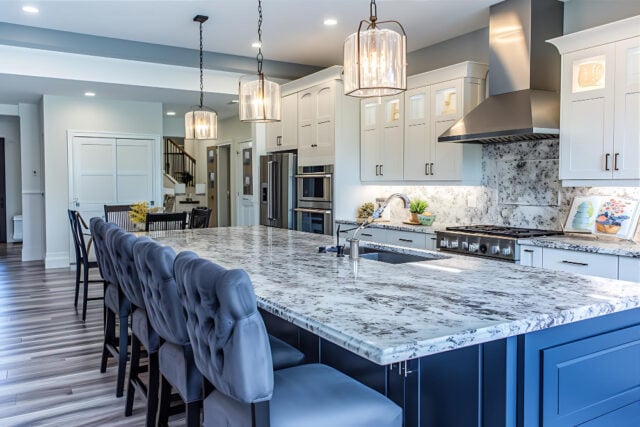
Granite and marble are popular for their appearance, but their longevity varies with composition. Granite is dense and resistant to scratches, making it suitable for high-use kitchens. However, it still requires periodic sealing to prevent staining and moisture intrusion.
Marble, while visually striking, is softer and more reactive. Acids from citrus, wine, or cleaning agents can etch the surface. In Florida homes where kitchens are heavily used year-round, marble often shows wear sooner unless owners commit to careful maintenance routines.
Engineered Quartz and Stability Advantages
Engineered quartz combines crushed stone with resins, creating a non-porous surface. This structure makes it highly resistant to moisture absorption, a significant benefit in humid environments. Quartz does not require sealing and maintains consistent coloration over time.
Heat resistance is more limited than natural stone, so direct contact with hot cookware can cause damage. Despite this limitation, quartz countertops often outlast many alternatives in Florida homes due to their stability and low maintenance requirements.
Solid Surface Materials and Moisture Resistance
Solid surface countertops, such as acrylic-based options, offer seamless installation and excellent moisture resistance. Their non-porous nature prevents mold growth and staining, which is particularly valuable in coastal or high-humidity areas.
While these materials are less heat-resistant and more prone to scratching, surface damage can often be repaired. Longevity depends on usage patterns, but in bathrooms and secondary kitchens, solid surface countertops perform reliably over long periods.
Laminate Performance in High-Humidity Settings
Laminate countertops appeal to budget-conscious homeowners, yet Florida’s climate presents challenges. Moisture infiltration at seams or edges can cause swelling and delamination. Once water penetrates the surface, repairs are complex.
Advancements in manufacturing have improved laminate durability, but careful installation and edge sealing are critical. Laminate longevity increases significantly when exposure to standing water and heat is minimized.
Concrete Countertops and Environmental Interaction
Concrete countertops provide a modern, custom look, but they are prone to installation-quality issues. Florida’s humidity affects curing times and can lead to cracking if not properly managed. Sealants play a significant role in protecting concrete from moisture absorption and staining.
When installed and maintained correctly, concrete can last for decades. Without consistent care, however, surface deterioration may appear much sooner than expected.
Wood and Butcher Block Limitations
Wood countertops bring warmth and character, yet they demand ongoing maintenance in humid climates. Moisture causes expansion and contraction, increasing the risk of warping or splitting. Frequent oiling is necessary to stabilize the surface and protect against water damage.
In Florida, wood countertops tend to perform better in low-moisture areas or as accent surfaces rather than primary workspaces. Longevity depends heavily on the owner’s commitment to upkeep.
Installation Quality as a Longevity Multiplier
Even the most durable material can fail prematurely if installation is rushed or improper. Accurate measurements, adequate support, and correct sealing techniques are essential. Florida homes often require additional moisture barriers or reinforcement due to slab foundations and open floor plans.
Experienced contractors understand how local conditions affect adhesives, expansion gaps, and curing times. Installation quality often determines whether a countertop reaches its expected lifespan.
Maintenance Expectations and Lifestyle Fit
Material selection should align with daily habits. Homes with frequent cooking, entertaining, or rental use require surfaces that tolerate spills, heat, and cleaning without constant attention. Low-maintenance materials generally last longer because they are easier to care for consistently.
Understanding cleaning requirements, sealing schedules, and repair options helps homeowners choose a countertop that fits both lifestyle and environment.
Long-Term Value and Replacement Cycles
Longevity is not only about physical durability but also about sustained appearance. Materials that resist fading, staining, and surface damage retain value longer. In Florida’s competitive housing market, countertops that age gracefully contribute to resale appeal.
Choosing materials based on long-term performance rather than short-term cost often results in fewer replacements and lower lifetime expenses.
Where Durability Meets Daily Living
Countertop longevity in Florida is shaped by climate compatibility, structural composition, installation precision, and maintenance habits. Materials that manage moisture, resist heat stress, and support everyday use deliver the strongest performance over time. Thoughtful selection ensures countertops remain functional, attractive, and resilient well beyond initial installation.
Disclaimer
Artificial Intelligence Disclosure & Legal Disclaimer
AI Content Policy.
To provide our readers with timely and comprehensive coverage, South Florida Reporter uses artificial intelligence (AI) to assist in producing certain articles and visual content.
Articles: AI may be used to assist in research, structural drafting, or data analysis. All AI-assisted text is reviewed and edited by our team to ensure accuracy and adherence to our editorial standards.
Images: Any imagery generated or significantly altered by AI is clearly marked with a disclaimer or watermark to distinguish it from traditional photography or editorial illustrations.
General Disclaimer
The information contained in South Florida Reporter is for general information purposes only.
South Florida Reporter assumes no responsibility for errors or omissions in the contents of the Service. In no event shall South Florida Reporter be liable for any special, direct, indirect, consequential, or incidental damages or any damages whatsoever, whether in an action of contract, negligence or other tort, arising out of or in connection with the use of the Service or the contents of the Service.
The Company reserves the right to make additions, deletions, or modifications to the contents of the Service at any time without prior notice. The Company does not warrant that the Service is free of viruses or other harmful components.