Florida’s weather can shift quickly which turns an ordinary drive into a risky one. Sudden rainstorms, dense morning fog, and the intense conditions of hurricane season all create unique hazards that affect visibility and road traction.
This article explores how these weather patterns impact road safety and what drivers can do to stay prepared. Understanding these challenges is the first step toward reducing risks and making safer decisions on Florida’s roads.
Why Florida’s Climate Creates Challenging Driving Conditions
Florida’s climate creates challenging driving conditions because warm temperatures, high humidity, and surrounding coastlines constantly feed unstable weather. Moist air from the Gulf and Atlantic can quickly build rain showers, while temperature shifts near waterways often generate thick fog.
During spring through fall, this mix becomes even more active, leading to sudden changes that drivers don’t anticipate. These rapid shifts are the core reason Florida’s roads become risky with little warning.

The Impact of Heavy Rain on Florida Roads
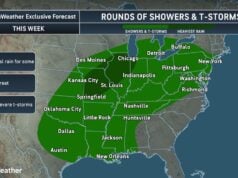
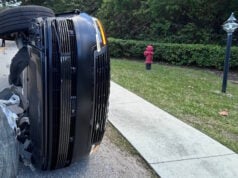
Heavy rain is one of the most common weather challenges on Florida roads. Downpours create slick surfaces that reduce tire grip, increase the chances of hydroplaning, and make it harder for drivers to brake in time. Visibility also drops sharply, especially during Florida’s frequent afternoon storms that hit both highways and busy city streets.
To stay safe, drivers should reduce speed, leave extra space between vehicles, and avoid driving through flooded areas. However, if you are involved in an accident caused by the negligence of another driver during these conditions, it’s important to seek guidance from a trusted Pensacola car accident lawyer Michael Fenimore to understand your rights and legal options.
Fog Hazards in Central and Northwest Florida
Fog is a frequent hazard in Florida, especially in rural and coastal areas where temperature changes near water bodies create thick low-lying mist. Early mornings often bring sudden pockets of near-zero visibility which increases the risk of multi-vehicle collisions on highways and local roads.
Drivers should take precautions by using low-beam headlights, avoiding high beams that can worsen glare, staying within lane markers, and reducing speed. Remaining alert and adjusting driving habits to the conditions can prevent many fog-related accidents in Central and Northwest Florida.
Hurricane-Season Driving: Wind, Flooding and Evacuation Traffic
During hurricane season, Florida drivers face extreme hazards from tropical storms. It includes heavy rainfall, debris on roads, downed power lines, and strong winds that can push vehicles off course.
Pre-storm panic traffic and evacuation routes often compound risks, leading to congestion and accidents. To stay safe, drivers should avoid traveling during official warnings, monitor road closures, prepare an emergency kit, and exercise caution around standing water.
Endnote
Understanding how rain, fog, and hurricane-season conditions affect Florida roads is key to staying safe year-round. By staying alert, planning ahead, and adjusting driving habits when weather shifts quickly, drivers can significantly reduce the risk of accidents. Thoughtful and cautious choices behind the wheel make a real difference in protecting yourself and others on Florida’s roads.
Disclaimer
Artificial Intelligence Disclosure & Legal Disclaimer
AI Content Policy.
To provide our readers with timely and comprehensive coverage, South Florida Reporter uses artificial intelligence (AI) to assist in producing certain articles and visual content.
Articles: AI may be used to assist in research, structural drafting, or data analysis. All AI-assisted text is reviewed and edited by our team to ensure accuracy and adherence to our editorial standards.
Images: Any imagery generated or significantly altered by AI is clearly marked with a disclaimer or watermark to distinguish it from traditional photography or editorial illustrations.
General Disclaimer
The information contained in South Florida Reporter is for general information purposes only.
South Florida Reporter assumes no responsibility for errors or omissions in the contents of the Service. In no event shall South Florida Reporter be liable for any special, direct, indirect, consequential, or incidental damages or any damages whatsoever, whether in an action of contract, negligence or other tort, arising out of or in connection with the use of the Service or the contents of the Service.
The Company reserves the right to make additions, deletions, or modifications to the contents of the Service at any time without prior notice. The Company does not warrant that the Service is free of viruses or other harmful components.