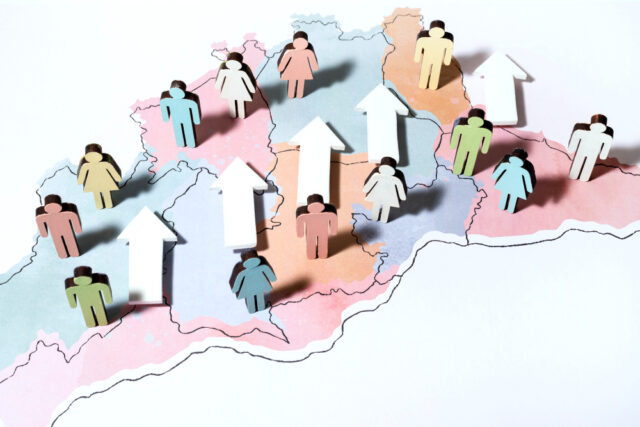
Across the United States, population patterns have shifted dramatically over the past decade. Families are reconsidering what they value most: affordability, climate, job opportunities, lifestyle balance, and access to community. Some people explore new regions entirely, whether that means relocating for work, downsizing, or even moving to Texas for a different pace of life. These broader mobility trends reveal a national conversation about how and where Americans want to build their futures, and Florida remains one of the states most deeply shaped by these changes.
As the Sunshine State continues welcoming new residents from across the country, everything from housing markets to school enrollment to cultural dynamics has undergone noticeable transformation. The story isn’t simply about growth, it’s about how shifting priorities nationwide reshape what daily life in Florida looks like today.
A Nation on the Move
The United States has long experienced internal migration, but recent years have accelerated it. Economic uncertainty, remote work flexibility, climate considerations, and lifestyle changes have pushed more people to evaluate where they truly want to settle. According to demographic research from the U.S. Census Bureau, Americans have shown increased willingness to make interstate moves, with warm-weather states attracting the largest share of newcomers.
Florida remains one of the most popular destinations. Part of this comes from retirees seeking sunnier lifestyles, but younger professionals and families now account for a growing portion of new arrivals. Remote work has untethered many people from traditional office hubs, allowing them to choose a location based on their lifestyle rather than a company’s headquarters. Florida’s beaches, taxes, climate, and growing metropolitan centers make it appealing for a wide range of ages and backgrounds.

These migration patterns aren’t one-directional, however. Americans flow between multiple regions; Texas, the Carolinas, Georgia, Tennessee, and Florida form the heart of a larger movement in which households evaluate regional advantages like space, cost, and opportunity. Florida benefits significantly, but the constant movement shapes the state in both visible and subtle ways.
The Impact on Florida’s Housing and Infrastructure
One of the earliest signs of population shifts is the change in housing demand. Florida’s real estate market has experienced intense pressure, particularly in major metros such as Miami, Fort Lauderdale, Tampa, and Orlando. Even suburban areas have seen rapid increases in demand as new residents seek a balance between convenience and affordability.
This growth has placed strain on:
- Housing inventory
- Rental prices
- Commuting patterns
- School capacity
- Local transportation systems
The ripple effect of migration means families already living in Florida must navigate rising prices and shifting neighborhood dynamics. At the same time, new residents contribute to economic vitality, bringing new businesses, entrepreneurial ventures, and cultural energy.
Infrastructure investment has tried to keep pace, with expansions in public transit, roadway improvements, and the development of mixed-use communities intended to blend housing, shopping, and entertainment into walkable areas. The outcome is a Florida that looks and functions differently from even a decade ago.
A More Diverse Cultural Landscape
Florida has always been known for its cultural diversity, but recent migration has expanded that mosaic even further. People arriving from different regions bring distinct traditions, food preferences, industries, and styles of living. This blending influences everything from local restaurants to community events to the types of businesses that open.
New residents from tech-centric states help fuel Florida’s growing startup and innovation culture. Others contribute to the hospitality, healthcare, retail, and logistics sectors. The result is a more layered cultural identity that continues to evolve with each new wave of migration.
This diversity also strengthens Florida’s resilience. A state with varied perspectives and experiences adapts more quickly to economic shifts and lifestyle changes, making it better equipped to navigate future challenges.
How Remote Work Reshaped Florida’s Appeal
One of the most significant catalysts of recent population shifts has been the rise of remote and hybrid work. Many Americans who were once tied to major cities have gained the freedom to choose where they want to live based on personal preferences. Florida benefits enormously from this shift due to its combination of climate, amenities, and housing options.
Remote workers often prioritize:
- Access to nature and outdoor spaces
- Lower cost of living
- Larger homes with office space
- Warmer climates conducive to year-round activity
Florida checks all these boxes. As a result, the state has drawn newcomers from traditional job markets like New York, New Jersey, Illinois, Massachusetts, and California. The influx has not only shaped the housing market but also boosted demand for coworking spaces, local cafes, and community-centered spaces where remote workers spend their time.
Businesses, in response, have expanded services tailored to this new demographic, creating a fresh ecosystem of support within Florida’s urban and suburban areas.
Economic Growth Fueled by Population Change
Population growth brings economic energy, and Florida has experienced this across multiple sectors. More residents mean more customers for local businesses, more students for universities, and more opportunities for industries ranging from tourism to technology.
As a result, Florida’s job market has diversified. While tourism remains foundational, healthcare, logistics, clean energy, and professional services continue to grow. According to regional economic analyses, states experiencing robust population growth often see faster job creation, more small business openings, and greater innovation investment.
New residents contribute directly to this expansion by:
- Launching businesses
- Filling in-demand jobs
- Increasing consumer spending
- Strengthening local tax bases
This momentum positions Florida as one of the country’s most economically promising regions heading into 2026 and beyond.
The Future: How These Trends Will Continue to Shape Life
Looking ahead, Florida is expected to remain a top destination for Americans seeking a new beginning. Climate patterns, cost-of-living factors, and employment flexibility will continue influencing migration decisions nationwide. Florida’s ongoing growth will require thoughtful planning around housing, sustainability, transportation, and community development.
For families already living in the state, this means adapting to a more dynamic environment where cultural, economic, and demographic changes play a larger role in shaping everyday life. For newcomers, it means contributing to the next chapter of Florida’s identity, one that reflects a blend of long-standing traditions and fresh perspectives.
Population movement within the U.S. has always shaped Florida, but today’s shifts occur on a much larger scale. As Americans continue to reevaluate where and how they want to live, Florida stands at the center of a national conversation about opportunity, lifestyle, and the future of community.
Disclaimer
Artificial Intelligence Disclosure & Legal Disclaimer
AI Content Policy.
To provide our readers with timely and comprehensive coverage, South Florida Reporter uses artificial intelligence (AI) to assist in producing certain articles and visual content.
Articles: AI may be used to assist in research, structural drafting, or data analysis. All AI-assisted text is reviewed and edited by our team to ensure accuracy and adherence to our editorial standards.
Images: Any imagery generated or significantly altered by AI is clearly marked with a disclaimer or watermark to distinguish it from traditional photography or editorial illustrations.
General Disclaimer
The information contained in South Florida Reporter is for general information purposes only.
South Florida Reporter assumes no responsibility for errors or omissions in the contents of the Service. In no event shall South Florida Reporter be liable for any special, direct, indirect, consequential, or incidental damages or any damages whatsoever, whether in an action of contract, negligence or other tort, arising out of or in connection with the use of the Service or the contents of the Service.
The Company reserves the right to make additions, deletions, or modifications to the contents of the Service at any time without prior notice. The Company does not warrant that the Service is free of viruses or other harmful components.