It’s 7 AM in Fushimi, and steam rises from sake vats in the cold morning air. The smell hits you first: earthy, slightly sweet, yeasty, before you even see the wooden brewery fronts lining the canal district.
A few blocks away in Gion, the lanterns from last night’s yakitori stalls still flicker in narrow alleys where grilled eel vendors are already firing up charcoal.
This is Kyoto before the tour buses arrive. Before the Instagram crowds descend on Kiyomizu-dera. This is the city that locals actually taste, smell, and live in.
Food here isn’t just sustenance. It’s the thread that connects you to centuries of brewing tradition, seasonal mountain harvests, and the kind of social rituals that don’t make it onto typical sightseeing itineraries.

When you follow the scent of miso through a backstreet machiya townhouse, you’re not just eating. You’re participating in something far older than yourself.
Why Food Unlocks Culture
But what makes food such a powerful lens for understanding Kyoto?
In Kyoto, every dish tells a story about geography, religion, and social order. The bamboo shoots you eat in April come from specific groves in Arashiyama. The sake served at a Shinto wedding uses rice from temple-owned paddies.
Even the way vegetables are cut for kaiseki reflects Buddhist principles about respecting natural form.
You can’t learn this from a guidebook. You need someone who knows which market stall has been run by the same family for six generations, and why the owner still uses his grandmother’s pickling recipe.
For travelers seeking more than a meal, City Unscripted connects you with local scholars and chefs who guide you beyond the menu. These aren’t scripted tours hitting five temples and three restaurants.
They’re invitations into the living culture, the kind where your host knows the sake brewer personally and can arrange a tasting in a tatami room that tourists never see.
Fushimi Sake and Brewing Heritage
To understand how deeply food connects to place in Kyoto, start with sake.
The water, rice and centuries-old techniques
There’s a reason Fushimi produces some of Japan’s finest sake. Underground springs beneath the district create water so pure and mineral-balanced that brewers have been drawing from the same wells since the Edo period.
Fushimi is home to nearly 40 sake breweries, with production dating to the 17th century, and that water is everything.
Your host leads you down a narrow alley to a brewery most visitors walk past. Inside, the air is thick and warm. Wooden beams sag under the weight of time. You’re handed a small porcelain cup (smaller than you expect) and the brewmaster explains the koji culture growing on steamed rice in the next room.
This is where food becomes ritual. The brewing follows lunar cycles. The rice polishing rate determines the grade.
The fermentation temperature is controlled to the degree. Your host translates the technical terms but also the philosophy: sake as offering, as celebration, as medicine, as art.
You taste three varieties. The first is crisp and dry, made for summer festivals. The second is cloudy and sweet, traditionally served at new year. The third has been aging in cedar barrels for three years, and it tastes like the forest floor after rain.
Street Food and Hidden Townhouses in Gion
From sake breweries, the food trail leads into Kyoto’s most iconic district.
Market bites vs. refined kaiseki
Walk through Gion at noon and you’ll find matcha parfait shops packed with selfie-takers.
Walk the same streets at 9 PM with a local host and you’ll discover something entirely different: a machiya townhouse with no sign, where the owner serves yuba (tofu skin), grilled unagi, and nishin soba to a handful of regulars who booked months ago.
The contrast is stark. Kyoto kaiseki restaurants book up 6 months ahead during peak seasons, and for good reason. These multi-course meals represent the pinnacle of Japanese culinary art. But they’re also performances, choreographed down to the garnish placement.
The townhouse meal your host arranges is different. More intimate. Less formal but no less serious about quality. You sit on tatami mats in a room that was someone’s home 200 years ago. The owner brings out dishes as they’re ready, explaining in Kyoto dialect while your host translates.
You learn the unspoken rules: remove shoes at the genkan entrance, make subtle nods of appreciation, keep your phone in your pocket.
The menu includes terms like “sansai” (wild mountain vegetables) and “awase-dashi” (mixed stock), and your host explains how these ingredients connect to the surrounding mountains and forests.
Seasonal Ingredients and Local Food Cycles
The ingredients that appear on Kyoto tables follow nature’s calendar with strict precision.
When to eat what, and why
Kyoto’s food culture is militantly seasonal. What you eat in March has no place on an August table, and locals can tell you’re an outsider if you order the wrong dish at the wrong time.
Spring brings takenoko (bamboo shoots) from Arashiyama groves, best eaten within hours of harvest. You might find them grilled, simmered in dashi, or shaved into sakura-flavored soba.
The cherry blossom season isn’t just about viewing. It’s about eating the blooms themselves, pickled and pressed onto mochi.
Summer means unagi (eel) for stamina during the humid months (often above 32 °C / 90 °F), otoshi (small appetizers) at izakaya, and chilled sake served in glasses nested in ice. Locals eat less, lighter, and later as the heat builds.
Autumn is harvest time. Matsutake mushrooms appear in rice dishes and clear broths. Kuri (chestnuts) get candied and served with tea. Vendors sell momiji (maple leaf) tempura at mountain temples.
This is when Kyoto kitchens shift from light summer fare to the richer, heavier dishes that will carry through winter.
Winter brings Kyoto wagyu, fugu (carefully prepared by licensed chefs), and nabe hotpots in ryokan dining rooms.
Kyoto markets trade hundreds of wild mountain vegetables (‘sansai’) annually, many of which only grow at specific elevations and are foraged by specialists who know exact mountain locations.
Your host knows this calendar intimately. They won’t take you to a restaurant serving out-of-season ingredients, because that’s not how Kyoto eats.
Local Hosts vs General Tours
Understanding seasonal cycles and hidden venues requires someone who lives this knowledge daily.
The difference between a matched food host and a generic tour is the difference between reading a translation and speaking the language.
A standard tour hits five temples, stops at three restaurants, and teaches you to say “arigato.” You eat yakitori, maybe some ramen, take photos, and move on. You’ve consumed food but haven’t really learned anything.
A local food scholar operates differently. They know seasonal cycles, family-run stalls, brewer lineages. They’ve spent years studying Kyoto’s culinary history, not from books alone but from relationships with the people who make, serve, and preserve it.
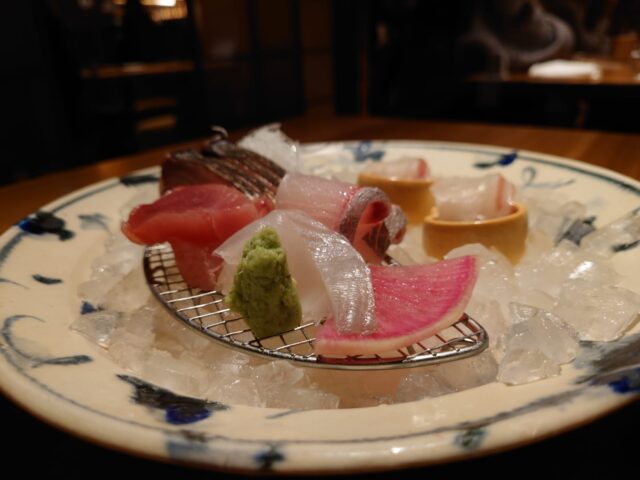
Your host leads you through Nishiki Market at 7 AM, before the vendor crowds and tour groups arrive. You taste soy-cured mackerel still warm from the press.
The fishmonger recognizes your host and pulls out a sample of tsukemono (pickled vegetables) made with his wife’s recipe. You learn that the pickle shop three stalls down has been family-operated since 1867.
This isn’t performative. It’s simply how food knowledge gets transmitted in Kyoto: through relationships, repetition, and respect for craft.
Practical Tips and Ethical Eating in Kyoto
Even with an expert guide, knowing basic etiquette helps you move through Kyoto’s food world with respect.
Respect the table, respect the city
Kyoto dining culture operates on unspoken rules that can trip up visitors. The basics are straightforward but crucial.
Remove shoes before entering traditional restaurants and tatami rooms. Say “itadakimasu” before eating and “gochisousama” after finishing. Limit photos.
Taking one or two shots is fine, but photographing every dish signals you’re more interested in content than taste. Don’t post location tags for small family restaurants; let them maintain their quiet client base.
Tipping doesn’t exist in Japan. Leaving money on the table will confuse or offend. The price includes service, and excellent service is simply expected professional behavior.
Support family businesses over chains. A large share of Kyoto eateries are tiny, often fewer than 10 seats, and these small operations depend on steady local patronage, not tourist surges. Your host will steer you toward places where your business actually matters to the owners’ livelihoods.
Ask before entering. Many traditional restaurants only serve regular customers or require introductions. Your local host provides that introduction, opening doors that would otherwise remain closed.
The Taste of Time
Back in Fushimi, you hold the sake glass up to morning light. The liquid is perfectly clear, almost weightless, but the taste carries centuries: the well water, the rice paddies, the hands that polished and steamed and fermented.
In Gion, you sit at a lacquered table in a machiya that survived two world wars and countless earthquakes.
The yuba arrives on hand-thrown ceramic, garnished with a single shiso leaf. You understand, finally, that the food isn’t separate from the architecture, the brewing, the temple gardens. It’s all one interwoven culture.
This is what you came for, whether you knew it or not: to taste time and place, to sit in rooms that matter, to be guided by people who’ve earned the right to explain what you’re experiencing.
See Kyoto through the host’s eyes, not just the menu. The difference is everything.
[IMAGE: Kyoto brewer in a Fushimi sake warehouse, bowls of sake on wooden counter.]
Caption: Fushimi’s underground water and centuries-old breweries give Kyoto sake its signature clarity and character.
Disclaimer
Artificial Intelligence Disclosure & Legal Disclaimer
AI Content Policy.
To provide our readers with timely and comprehensive coverage, South Florida Reporter uses artificial intelligence (AI) to assist in producing certain articles and visual content.
Articles: AI may be used to assist in research, structural drafting, or data analysis. All AI-assisted text is reviewed and edited by our team to ensure accuracy and adherence to our editorial standards.
Images: Any imagery generated or significantly altered by AI is clearly marked with a disclaimer or watermark to distinguish it from traditional photography or editorial illustrations.
General Disclaimer
The information contained in South Florida Reporter is for general information purposes only.
South Florida Reporter assumes no responsibility for errors or omissions in the contents of the Service. In no event shall South Florida Reporter be liable for any special, direct, indirect, consequential, or incidental damages or any damages whatsoever, whether in an action of contract, negligence or other tort, arising out of or in connection with the use of the Service or the contents of the Service.
The Company reserves the right to make additions, deletions, or modifications to the contents of the Service at any time without prior notice. The Company does not warrant that the Service is free of viruses or other harmful components.