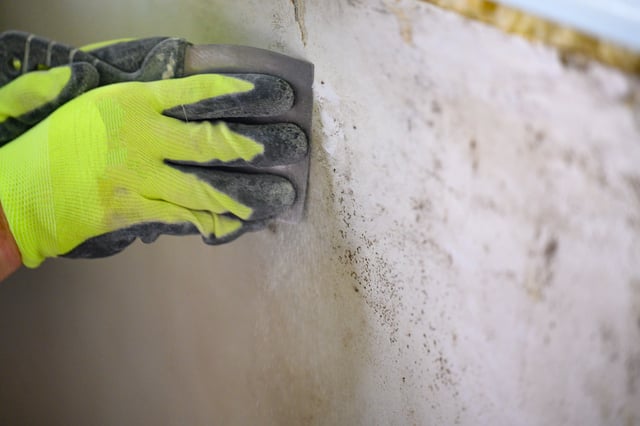
Mold in indoor spaces is more than just an unsightly nuisance—it can be a serious health hazard and a threat to structural integrity. Mold often grows silently behind walls or beneath flooring, making it difficult to detect until damage has progressed. While minor surface mold might seem manageable, hidden colonies can spread rapidly if moisture issues are not resolved. With the right approach, Craig Spiesman showcases how homeowners and property managers can protect their spaces from the costly and harmful effects of mold growth.
Mold Remediation
Unlike basic mold removal, remediation involves a more thorough approach aimed at preventing future outbreaks. It includes eliminating moisture sources and repairing affected areas to restore healthy indoor air quality. A damp basement with poor drainage, such as one with water seeping through foundation cracks, may require both mold cleanup and waterproofing to stop the problem from returning.
Proper remediation helps protect both the structure of a building and the health of its occupants. Mold exposure can lead to respiratory issues, skin irritation, and long-term health problems if left untreated. Ensuring that mold is not just removed but also prevented is fundamental in preserving the safety of indoor spaces.
How Mold Grows Indoors
Mold thrives in climates where moisture lingers. Common household issues like plumbing leaks, roof damage, or poorly sealed windows can allow water to seep into walls, floors, and ceilings. Even a small drip under a sink can create the perfect setting for mold colonies to grow if left unnoticed. Mold spores only need 24 to 48 hours in a moist environment to begin growing.

In homes with high humidity or minimal ventilation, mold can develop silently in hidden areas. Bathrooms without proper exhaust fans and basements with limited airflow are particularly vulnerable.
Condensation on cold surfaces such as pipes or windowpanes also contributes to this problem by keeping nearby materials damp. Over time, these unnoticed pockets of moisture provide ideal breeding grounds for spores. Left unaddressed, these conditions create a cycle where moisture builds up, and mold continues to spread deeper into the structure.
Warning Signs of Mold Problems
One of the first signs of a mold issue might be a persistent musty odor that lingers even after cleaning. This smell often points to mold growing behind walls, under carpets, or inside HVAC systems, where it’s not immediately visible. Even when surfaces appear clean, lingering odors indicate growth in concealed areas.
Visible mold can appear in various colors like black, green, or white, and may grow in patches on drywall, wood, or tile. Discoloration on ceilings or bubbling paint often signals hidden moisture and mold activity beneath the surface. Warped walls or buckling floors may also be red flags of more serious damage.
Some may start experiencing allergy-like symptoms such as sneezing, coughing, or eye irritation when mold is present, even if it’s not seen. In homes that have had past flooding or water damage, these symptoms can be an early warning that mold has returned or was never fully removed.
Steps in Professional Remediation
Professional mold remediation starts with a detailed inspection to locate the extent of the contamination. Specialists often use moisture meters and thermal imaging to detect hidden areas of growth behind walls or under flooring. This diagnostic phase ensures that all affected areas are addressed, not just the visible mold.
Once the problem areas are identified, containment methods such as plastic sheeting and negative air pressure are used to prevent spores from spreading during cleanup. HEPA-filtered machines help purify the air while contaminated materials like drywall or insulation are safely removed and discarded. Workers wear protective gear to minimize exposure and cross-contamination during removal. After removal, all affected surfaces are thoroughly cleaned and dried. The area is then reassessed to confirm that moisture levels have returned to normal and that no mold remains.
Choosing Qualified Mold Remediation Services
Hiring certified professionals is key to ensuring the job is handled safely and thoroughly. Credentials from organizations like IICRC signal that a technician is trained in industry best practices and equipped with the right tools. These certifications also show commitment to continued education and updated protocols.
Homeowners sometimes attempt to tackle mold on their own, but without proper knowledge or safety gear, they risk spreading spores or missing hidden growth. A professional team can spot underlying moisture issues that might be overlooked during a DIY cleanup. They also follow containment and disposal procedures that protect the property and its occupants.
Beyond technical skill, reputable remediation companies also offer clear communication and follow-up testing, which provides peace of mind once the work is complete. Good service includes transparency about costs, timeframes, and expected outcomes.
Preventing Mold from Returning
Preventing mold requires consistent moisture control. This means repairing roof leaks promptly, sealing around windows, and addressing plumbing issues before they escalate. Spaces that lack airflow—such as closets in humid climates—can benefit from improved ventilation. Even something as simple as cracking a window or installing a vent can help reduce humidity and discourage mold growth. Staying proactive is often the best defense against future issues.
Disclaimer
Artificial Intelligence Disclosure & Legal Disclaimer
AI Content Policy.
To provide our readers with timely and comprehensive coverage, South Florida Reporter uses artificial intelligence (AI) to assist in producing certain articles and visual content.
Articles: AI may be used to assist in research, structural drafting, or data analysis. All AI-assisted text is reviewed and edited by our team to ensure accuracy and adherence to our editorial standards.
Images: Any imagery generated or significantly altered by AI is clearly marked with a disclaimer or watermark to distinguish it from traditional photography or editorial illustrations.
General Disclaimer
The information contained in South Florida Reporter is for general information purposes only.
South Florida Reporter assumes no responsibility for errors or omissions in the contents of the Service. In no event shall South Florida Reporter be liable for any special, direct, indirect, consequential, or incidental damages or any damages whatsoever, whether in an action of contract, negligence or other tort, arising out of or in connection with the use of the Service or the contents of the Service.
The Company reserves the right to make additions, deletions, or modifications to the contents of the Service at any time without prior notice. The Company does not warrant that the Service is free of viruses or other harmful components.