By Jani Hall
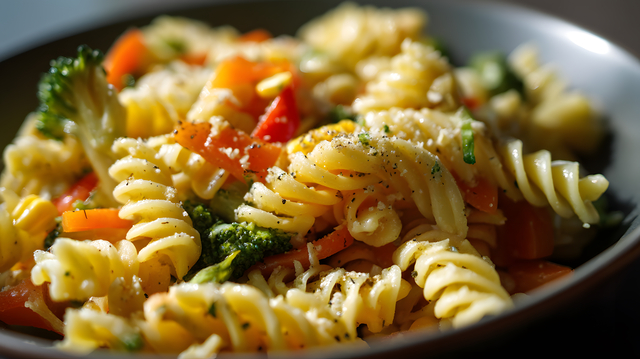
At least 27 people have been hospitalized and six have died in connection with a Listeria outbreak linked to ready-to-eat pasta meals.
The Centers for Disease Control and Prevention (CDC) announced Thursday that illnesses have now been identified in 18 states, up from 15 reported on Sept. 25. Since that date, the agency also reported seven new Listeria cases, including six additional hospitalizations and two deaths.
Listeria is a dangerous foodborne pathogen that usually causes intestinal illness. But in severe cases, the bacteria can spread and cause life-threatening symptoms.

Recalls of products tied to the outbreak began in June and have since expanded to include a total of nine prepared pasta meal products sold nationwide by Walmart, Trader Joe’s, Kroger, Albertsons, and other retailers.
Which Products Have Been Linked to the Outbreak?
The recalled pasta meals, tied to contaminated pre-cooked pasta supplied by Nate’s Fine Foods, Inc., were pulled from store shelves between June 17 and Oct. 10, according to the Food and Drug Administration (FDA), which is still investigating potential sources of the outbreak.
Two of the nine recalled meals just passed or haven’t passed their best-if-used-by dates, so they may still be in consumers’ refrigerators or freezers:
- Sprouts Farmers Market smoked mozzarella pasta salad: Best-if-used-by dates of Oct. 10, through Oct. 29, 2025.
- Scott & Jon’s shrimp scampi with linguini bowls (9.6-oz): Best-if-used-by dates in March 2027.
The other products included in the recall are:
- Giant Eagle smoked mozzarella pasta salad: Expiration dates Sept. 30 through Oct. 7, 2025 (Giant Eagle recall).
- Kroger stores deli bowtie and penne pasta salads: Sold between Aug. 29 and Oct. 2, 2025 (Kroger recall).
- Trader Joe’s Cajun Style Blackened Chicken Breast Fettuccine Alfredo: 16-oz plastic tray packages with best-if-used-by dates of Sept. 20, Sept. 24, Sept. 27, Sept. 28, Oct. 1, Oct. 3, Oct. 5, Oct. 8, and Oct. 10, 2025 (USDA FSIS public health alert).
- Albertsons store-made deli pasta salads: Sell-thru dates between Sept. 8 and Oct. 4, 2025 (Albertsons recall).
- Marketside Linguine with Beef Meatballs & Marinara Sauce: 12-oz. package with best-if-used-by dates of Sept. 22, Sept. 24, Sept. 25, Sept. 29, Sept. 30, and Oct. 1, 2025 (USDA FSIS public health alert)
- Marketside Grilled Chicken Alfredo with Fettuccine: 12.3-oz package with best-by date of June 26, 2025, or prior; and 32.8-oz package with best-by date of June 27, 2025, or prior (FreshRealm recall).
- Home Chef Chicken Fettuccine Alfredo: 12.5-oz package with best-by date of June 19, 2025, or prior (FreshRealm recall)
Where Has the Listeria Outbreak Spread?
As of Oct. 30, illnesses have been reported in the following states:
- California
- Florida
- Hawaii
- Illinois
- Indiana
- Louisiana
- Michigan
- Minnesota
- Missouri
- North Carolina
- Nevada
- Ohio
- Oregon
- South Carolina
- Texas
- Utah
- Virginia
- Washington
Deaths have been reported in Hawaii, Illinois, Michigan, Oregon, Texas, and Utah.
What You Should Do
Check your refrigerator or freezer for the affected pasta meals, and do not eat them if you have any. Instead, throw them away and clean any surfaces the food may have touched.
Certain groups—pregnant people, those aged 65 and older, and people with weakened immune systems—are at higher risk of developing severe illness if infected with Listeria.
If you fall into one of those categories and believe you ate a recalled meal, the CDC urges you to contact a healthcare provider immediately if you experience symptoms, which can appear the same day or as long as 10 weeks after.
Centers for Disease Control and Prevention. Listeria outbreak linked to prepared pasta bowls.
Common symptoms of Listeria include:
- Fever
- Flu-like symptoms, such as muscle aches and fatigue
- Headache
- Stiff neck
- Confusion
- Loss of balance
- Seizures
Disclaimer
Artificial Intelligence Disclosure & Legal Disclaimer
AI Content Policy.
To provide our readers with timely and comprehensive coverage, South Florida Reporter uses artificial intelligence (AI) to assist in producing certain articles and visual content.
Articles: AI may be used to assist in research, structural drafting, or data analysis. All AI-assisted text is reviewed and edited by our team to ensure accuracy and adherence to our editorial standards.
Images: Any imagery generated or significantly altered by AI is clearly marked with a disclaimer or watermark to distinguish it from traditional photography or editorial illustrations.
General Disclaimer
The information contained in South Florida Reporter is for general information purposes only.
South Florida Reporter assumes no responsibility for errors or omissions in the contents of the Service. In no event shall South Florida Reporter be liable for any special, direct, indirect, consequential, or incidental damages or any damages whatsoever, whether in an action of contract, negligence or other tort, arising out of or in connection with the use of the Service or the contents of the Service.
The Company reserves the right to make additions, deletions, or modifications to the contents of the Service at any time without prior notice. The Company does not warrant that the Service is free of viruses or other harmful components.