Key Takeaways
- Freeze-dried dog food preserves essential nutrients and supports dogs’ health.
- It offers superior digestibility and is ideal for dogs with sensitivities or allergies.
- Convenience, long shelf life, and palatability make it popular with both pet owners and picky eaters.
- May contribute to better dental health and support weight management in dogs.
- While freeze-dried food has many benefits, cost and food safety considerations are essential.
Table of Contents
- Nutrient Retention
- Improved Digestibility
- Convenience and Shelf Life
- Enhanced Palatability
- Dental Health Benefits
- Allergy Management
- Weight Management
- Considerations and Precautions
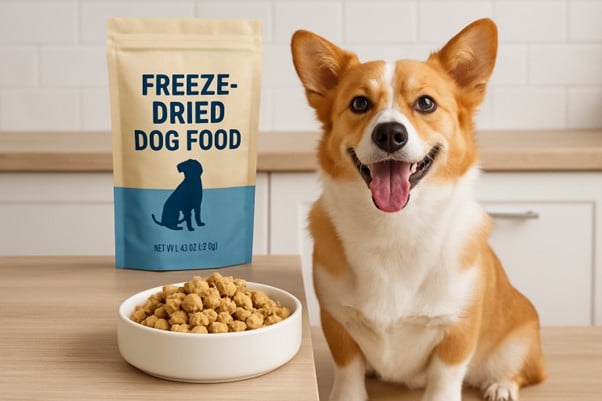
Freeze-dried dog food is increasingly recognized among pet owners for its convenience and unmatched nutritional value. By using a unique process that preserves whole-food ingredients, these meals provide a practical solution for pet owners seeking to give their pets the very best. If you’re seeking a nutritious, mess-free meal alternative for your dog, freeze-dried dog food stands out as a top contender in today’s pet food market.
Affordability, ease of storage, and quality nutrition are just a few of the reasons more people are making the switch. The freeze-drying process ensures that dogs get food that is close to its raw state, preserving flavor and vital nutrients along the way. For pet parents concerned about their four-legged friends’ health and vitality, understanding the benefits of this food can make all the difference.

From supporting sensitive stomachs to simplifying meal preparation, freeze-dried dog food can benefit almost every household and canine companion. Whether at home or on the road, the adaptability and shelf-stability of these foods provide practical advantages that kibble and canned options can’t always match.
Notably, the right food can also support your dog’s overall well-being, enhancing their quality of life and longevity. For further insights into pet care and the latest innovations in dog food, visit the American Kennel Club.
Nutrient Retention
The freeze-drying technique offers a significant advantage: it removes water from raw ingredients without using high heat. This gentle process preserves critical nutrients, such as vitamins, minerals, and enzymes, that might be destroyed in the conventional kibble or canned food production process. Dogs that consume freeze-dried meals benefit from a more nutritionally intact diet, which supports their long-term health and wellness. According to the American Kennel Club, this nutrient preservation can positively impact energy, coat quality, and immune function.
Improved Digestibility
Dogs with sensitive stomachs or a history of digestive issues often find relief when switched to freeze-dried dog food. Because the ingredients are minimally processed, natural enzymes remain active, aiding effective digestion and nutrient absorption. For some dogs, this can mean fewer episodes of digestive upset, reduced bloating, and better stool quality. Owners also report easier transitions between foods, reducing the risk of gastrointestinal discomfort.
Convenience and Shelf Life
Freeze-dried dog food is an ideal solution for busy households or families that travel frequently. With its light weight and extended shelf life—often several months or longer without refrigeration—pet parents can stock up without worry. The meals are easy to portion and serve, usually requiring only water to rehydrate before feeding. This convenience is especially valuable for dog owners living in apartments or smaller spaces where freezer and pantry space are limited.
Enhanced Palatability
One common struggle among dog owners is finding a food their dog truly enjoys. Freeze-dried options often maintain the robust aroma and taste of fresh ingredients, appealing to dogs with selective appetites. Their appetizing texture and flavor can help transition dogs off less nutritious diets or entice picky eaters to finish their meals.
Dental Health Benefits
Chewing textured freeze-dried pieces may help to naturally clean teeth and massage gums, supporting oral health. While it’s not a substitute for regular dental care, this type of food can help reduce plaque buildup and prevent bad breath. Over time, the mechanical action of chewing may improve gum health, lowering the risk of dental disease.
Allergy Management
Many freeze-dried dog food formulas are made with a limited number of whole-food ingredients, such as single-protein sources and vegetables. With recipes that often exclude grains, soy, or artificial fillers, they can be an excellent choice for dogs with allergies or food sensitivities. By eliminating potential triggers from their diet, pet parents may notice significant improvements in their pet’s skin, coat, and digestive health.
Weight Management
Protein-rich, nutrient-dense meals can help dogs feel full and satisfied with smaller portions. Freeze-dried foods typically provide high protein and moderate fat with low carbohydrate content, making them a smart option for dogs prone to obesity or in need of weight management. By nourishing muscle while reducing unnecessary calories, these foods support lean body mass and healthy metabolism.
Considerations and Precautions
Despite their benefits, freeze-dried dog foods are generally more expensive than traditional kibble or canned alternatives due to the time and technology required to process them. Additionally, because the freeze-drying process does not sterilize the food, careful handling is essential. Always store it in a cool, dry place and wash your hands after handling. Most importantly, consult your veterinarian to ensure your chosen freeze-dried formula aligns with your dog’s unique nutritional requirements and health conditions.
For pet owners seeking a healthy upgrade, freeze-dried dog food provides a balanced blend of nutrition, convenience, and palatability. The key is to balance these advantages with practical considerations to make the best choice for both your lifestyle and your dog’s needs.
Disclaimer
Artificial Intelligence Disclosure & Legal Disclaimer
AI Content Policy.
To provide our readers with timely and comprehensive coverage, South Florida Reporter uses artificial intelligence (AI) to assist in producing certain articles and visual content.
Articles: AI may be used to assist in research, structural drafting, or data analysis. All AI-assisted text is reviewed and edited by our team to ensure accuracy and adherence to our editorial standards.
Images: Any imagery generated or significantly altered by AI is clearly marked with a disclaimer or watermark to distinguish it from traditional photography or editorial illustrations.
General Disclaimer
The information contained in South Florida Reporter is for general information purposes only.
South Florida Reporter assumes no responsibility for errors or omissions in the contents of the Service. In no event shall South Florida Reporter be liable for any special, direct, indirect, consequential, or incidental damages or any damages whatsoever, whether in an action of contract, negligence or other tort, arising out of or in connection with the use of the Service or the contents of the Service.
The Company reserves the right to make additions, deletions, or modifications to the contents of the Service at any time without prior notice. The Company does not warrant that the Service is free of viruses or other harmful components.