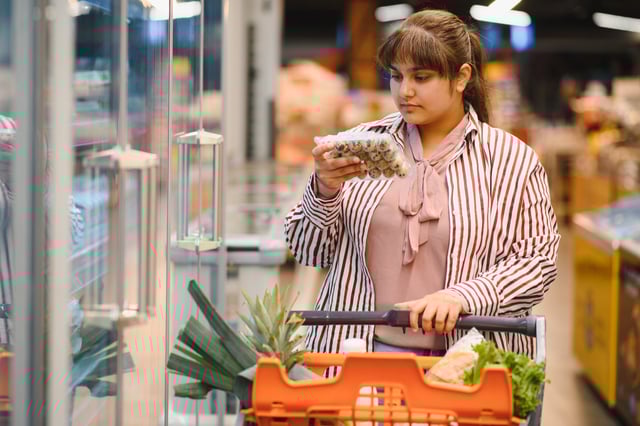
Most people don’t think about food safety until something goes wrong. A recall hits the news, or you notice something odd in your fridge, and suddenly you realize how much you rely on accurate information. Checking food updates is not complicated, but it does require a few habits. Knowing where to look and what to pay attention to can reduce risk and help you make better choices in the kitchen.
What Are Food Updates?
Food updates are simply information released by manufacturers, regulators, and health agencies about recalls, ingredient changes, storage guidance, or safety issues. Many companies publish this material directly. Fresh packaged salad producer Taylor Farms, for example, posts product information and updates online so shoppers can verify what they are buying and using. Building awareness of these sources makes routine checks straightforward rather than time-consuming.
How to check for product recalls

Recalls happen for many reasons, including contamination risks, packaging failures, or labeling errors. They are not rare, and ignoring them is unnecessary when the information is readily accessible. In the United States, the Food and Drug Administration maintains an updated recall list on its website. The U.S. Department of Agriculture’s Food Safety and Inspection Service also issues notices covering meat, poultry, and certain egg products.
If you cook regularly, sign up for alerts. Email notifications eliminate the need to manually search and ensure you see relevant updates early. Local news outlets often repeat major recall announcements, but direct alerts are more reliable. A quick scan of your pantry or fridge when alerts arrive is usually enough to confirm whether you need to act.
Understanding food labels
Labels are one of the most accessible sources of product information. They provide ingredients, nutrition details, and allergen warnings. Reading them carefully takes seconds and prevents misunderstandings.
Some wording causes confusion. “Organic” follows regulated standards tied to production practices. “Natural” has a far looser meaning and generally signals only the absence of artificial additives or colorings. Recognizing the difference prevents misplaced assumptions about quality or sourcing. Focus on ingredient lists and allergen disclosures first. Marketing terms matter less than the factual data printed nearby.
Checking date markings
Date labels are widely misunderstood. They rarely signal safety deadlines except in specific cases, such as infant formula. “Sell by” dates guide retailers, not consumers. Products often remain usable after that point if stored correctly. “Use by” dates refer to peak quality rather than immediate spoilage. “Best before” indicates expected flavor or texture decline rather than danger.
Treat these dates as reference points, not absolute rules. Storage conditions, packaging integrity, and common sense inspection still matter. If something smells wrong, looks off, or feels questionable, discard it. Otherwise, learn the intent behind the wording rather than assuming every date signals waste.
Subscribing to safety updates
Organizations publish regular food safety bulletins that summarize recalls, emerging risks, and regulatory changes. Subscribing takes minutes and requires little maintenance. Government agencies distribute updates, and some manufacturers issue product notices directly to customers.
This approach works well for people managing allergies or feeding children, where awareness of ingredient or labeling changes is especially useful. Even occasional reading keeps you familiar with broader patterns, including seasonal issues or recurring contamination risks tied to certain products.
Using digital tools
Apps have expanded how consumers track food information. Some scan barcodes to interpret nutrition details. Others flag allergens or provide storage guidance. The FoodKeeper app, developed with government input, focuses on shelf life and safe storage practices. Similar tools translate technical information into quick recommendations.
These apps are not essential, but they reduce guesswork. If you already use a smartphone for shopping lists or meal planning, integrating a safety tool requires little adjustment and adds another layer of awareness.
Understanding certification marks
Product packaging often includes certification seals indicating compliance with specific standards. USDA Organic and Non-GMO Project Verified are common examples. These marks relate to production methods rather than safety status, but they still signal how a product was sourced or processed.
Recognizing what these certifications mean prevents overinterpretation. They do not guarantee superior nutrition or taste, and they are not substitutes for reading labels or monitoring recalls. Instead, treat them as context that complements other available information.
Checking food updates does not demand constant vigilance. It comes down to knowing where reliable information lives and developing simple routines that take minutes, not hours. With recall alerts, label awareness, and occasional use of digital tools, staying informed becomes routine. That consistency protects health, reduces waste, and removes uncertainty from everyday cooking.
Disclaimer
Artificial Intelligence Disclosure & Legal Disclaimer
AI Content Policy.
To provide our readers with timely and comprehensive coverage, South Florida Reporter uses artificial intelligence (AI) to assist in producing certain articles and visual content.
Articles: AI may be used to assist in research, structural drafting, or data analysis. All AI-assisted text is reviewed and edited by our team to ensure accuracy and adherence to our editorial standards.
Images: Any imagery generated or significantly altered by AI is clearly marked with a disclaimer or watermark to distinguish it from traditional photography or editorial illustrations.
General Disclaimer
The information contained in South Florida Reporter is for general information purposes only.
South Florida Reporter assumes no responsibility for errors or omissions in the contents of the Service. In no event shall South Florida Reporter be liable for any special, direct, indirect, consequential, or incidental damages or any damages whatsoever, whether in an action of contract, negligence or other tort, arising out of or in connection with the use of the Service or the contents of the Service.
The Company reserves the right to make additions, deletions, or modifications to the contents of the Service at any time without prior notice. The Company does not warrant that the Service is free of viruses or other harmful components.