

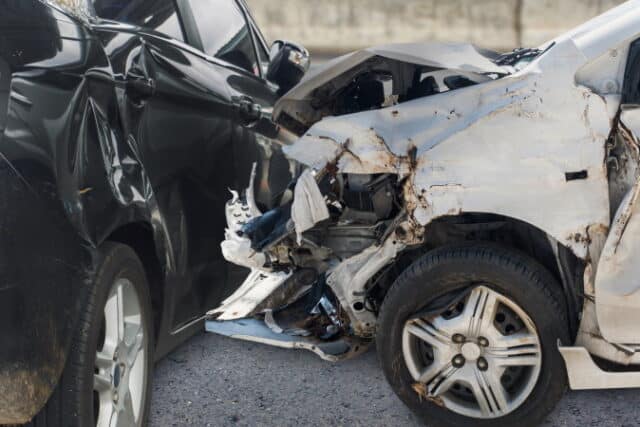
A car crash is stressful. Fault can feel unclear in the moments that follow. Memories blur, and stories can change. Yet many modern cars quietly record what happened. That record may help settle the question.
The device is called an event data recorder, or EDR. Many drivers have never heard of it. Most people think about photos and police reports after a wreck. Fewer think about the vehicle itself. Here is what the device does, and how to keep its data safe.
What Your Car’s Black Box Records
An EDR is often called a car’s black box. Most new vehicles have one. It stores data for a few seconds before, during and after a crash. It usually starts saving when an airbag deploys or the car slows down very fast. Think of it as your car’s short-term memory.

The device keeps simple facts. These include speed, braking and acceleration. Some also log seat belt use. It does not record audio. It also does not track where the car was. Federal rules require makers to tell owners about an EDR in the manual for cars built after Sept. 1, 2012. Check yours.
The data is only a snapshot. It covers a short window. Some newer cars also log driver-assist alerts. Even so, the numbers need context. An expert should read them alongside photos, skid marks and witness accounts.
Why That Data Can Matter
Fault shapes every claim. It decides who pays for repairs and medical care. After a crash, drivers often tell different stories. Black box data can act as a tiebreaker. It can show how fast a car was moving and whether the driver braked. Talk with a car accident attorney in Florida early, because proof can disappear fast. A lawyer can help request the data. They can also compare it with police reports and witness accounts.
Common Myths about Black Boxes
First, many people think the box listens to them. It does not. Federal rules say these devices do not capture audio or video. Second, some think only new cars have one. Not so. Some models have carried them since the mid-1990s. Third, some think the data lasts forever. It does not. How long it stays depends on the car.
Wet Roads Raise the Stakes
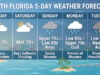
Drivers have a reason to care now. Forecasters expect a wetter winter across Florida. Winter storms can also bring heavy downpours and coastal flooding. Rain makes roads slick. Cars need more room to stop. Rear-end crashes can follow, and each driver may blame the other. In those cases, braking data may show who reacted late. Wet weather does not excuse a crash. Drivers must slow down to fit the conditions. Speed data may show if a driver ignored that rule. Not every bump gets recorded, though. A light tap may not trigger the device at all.
Who Can Pull the Data in Florida
A crash does not mean anyone can download the data. Under a 2015 federal law, the data belongs to the vehicle’s owner. Florida law also limits who may retrieve it. Without the owner’s consent, a court order is often needed. Police face limits too. In 2017, a Florida appeals court ruled that officers needed a warrant to pull a black box from an impounded car in a criminal case. That ruling shows how seriously courts treat this data. If the car is leased, the leasing company may need to agree too. Ask early.
Smart Steps after a Crash
First, call 911 and get checked by a doctor. Florida law gives you 14 days to seek care if you want to use your own personal injury protection coverage. Next, take photos of the scene and both cars. Then, ask that the car be kept as is. Tell your insurer in writing not to sell or scrap it yet. Repairs, towing yards and total loss sales may put the data at risk. Also, do not sign data consent forms you do not understand. Keep copies of every report you receive.
Finally, watch the clock. Florida generally gives injured drivers two years to file a lawsuit against an at-fault driver. Evidence, however, can fade long before that. Acting early gives you more options. Gather your medical bills and repair estimates as you go.
One Driver Cleared Her Name
Consider Ivy Siltala of Arizona. Her 2023 Toyota Corolla was hit from behind and pushed into the car ahead. Her insurer first said she was 50 percent at fault. She hired an expert to read the car’s black box for $250. The data cleared her, and she did not have to pay her $500 deductible. Her case shows why timing matters. Her undrivable car sat in her driveway until an expert read it.
The Bottom Line
A black box is not magic. It will not explain every detail of a crash. Still, it can back up what you remember with hard numbers. As roads get wetter this winter, knowing about it may save you time, money and stress. If you are hurt, do not wait to ask for legal advice. Many injury lawyers offer free case reviews. Check your car’s manual today to see if it lists an EDR.
Disclaimer
Artificial Intelligence Disclosure & Legal Disclaimer
AI Content Policy.
To provide our readers with timely and comprehensive coverage, South Florida Reporter uses artificial intelligence (AI) to assist in producing certain articles and visual content.
Articles: AI may be used to assist in research, structural drafting, or data analysis. All AI-assisted text is reviewed and edited by our team to ensure accuracy and adherence to our editorial standards.
Images: Any imagery generated or significantly altered by AI is clearly marked with a disclaimer or watermark to distinguish it from traditional photography or editorial illustrations.
General Disclaimer
The information contained in South Florida Reporter is for general information purposes only.
South Florida Reporter assumes no responsibility for errors or omissions in the contents of the Service. In no event shall South Florida Reporter be liable for any special, direct, indirect, consequential, or incidental damages or any damages whatsoever, whether in an action of contract, negligence or other tort, arising out of or in connection with the use of the Service or the contents of the Service.
The Company reserves the right to make additions, deletions, or modifications to the contents of the Service at any time without prior notice. The Company does not warrant that the Service is free of viruses or other harmful components.






 captures, who owns the data under Florida and federal law, and how to preserve black box evidence after a crash.)