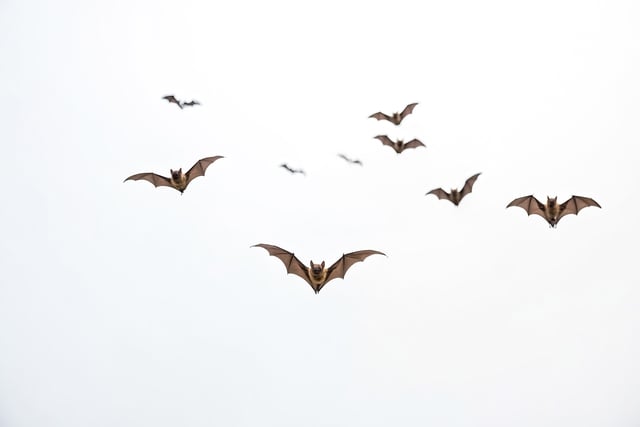
The Reason for Taking a Responsible Approach to Wildlife Removal
Finding wildlife in the home or a business is already a difficult thing to deal with. But trying to remove it without knowing its nature and how it needs to be handled will simply make things worse.
Animals can become dangerous if they feel threatened, and even more so if they are trapped in unfamiliar places. They might end up biting, scratching, or passing some diseases that might affect humans and other animals. Handling it wrongly might end up causing physical injury to the animal, or trap it somewhere else in the property.
A responsible wildlife removal procedure should aim at solving the problem without causing harm needlessly. This means that rather than using dangerous traps, toxic substances, or any other dangerous measures, wildlife removal should consider the kind of animal involved, and how to best handle it.

The method also takes into account the fact that wildlife serves an important role in the ecosystem. It shouldn’t mean hurting the animal whenever it is removed from the property.
Understanding Why Animals Enter Residential Properties
Wildlife will usually enter buildings when looking for food, water, shelter, and even protection from the weather changes. Residential property will always be a good shelter place since they tend to have small openings and some areas which go unnoticed during routine inspections.
Certain animals find attics attractive since they are warm, not much movement by people and offer safety from other predators. Some of the entry points include roof gaps, broken vents, loose siding, and areas around the utility lines.
Another factor for attracting animals into residential property includes availability of food sources. This can include uncovered garbage cans, outside pet food, fallen fruits and poor garden maintenance.
Changes in season could also be the main factor influencing the movement of animals. During cold periods, animals seek warmer shelters while during breeding period, some animals seek secluded areas where they can breed.
It is vital to learn why animals are invading the residential property since it will help one deal with future invasions. Unless the causes are addressed, one could continue experiencing the problems of animals even after removal.
The Importance of Professional Wildlife Assessment
Not every wildlife situation can be handled in the same way. Different species have different behaviors, nesting habits, and legal protections. A method that works for one animal may be ineffective or harmful when used on another.
A professional assessment helps determine the type of animal involved, the extent of its activity, and the best way to address the situation. Wildlife specialists can inspect areas where animals may be hiding, identify entry points, and evaluate possible damage.
For example, hearing scratching noises inside a ceiling does not necessarily mean the property has the same problem as another building with similar sounds. The source could be a squirrel, rat, bat, or another animal.
Accurate identification is essential because it influences the removal process. Some animals may require exclusion devices, while others may need specialized handling or additional precautions.
Property owners dealing with animals inside attics or roof spaces can benefit from consulting specialists who offer professional bat removal services. Bats require particular attention because they may gather in colonies, use small structural openings, and occupy spaces that are difficult to access safely. Their removal should also account for applicable wildlife protection laws and seasonal restrictions.
Protection of Human Health and Property
Apart from the annoyance of hearing animal sounds in walls and ceilings, there are other issues associated with the presence of wildlife in buildings.
Such issues include droppings, urine, nesting materials, and litter which will have an effect on the sanitary condition inside the building. Based on the situation and depending on the animal species, the mentioned materials could lead to foul odor and possibly exposure to harmful microorganisms.
Bat droppings, for example, will create an extra problem when accumulated in enclosed areas where disturbing the materials without proper protection will result in the release of particles into the air.
Damage can also be caused to insulation, electrical wires, roofing, and ventilation systems. Rats and squirrels can gnaw at some building components while larger animals might cause disruption to structural components during the time of nesting.
Proper handling of the wildlife issue early enough will prevent costly repairs and inspection will reveal any damage that may not be easily noticed.
Humane Removal Techniques and Wildlife Protection
Among the key criteria for effective wildlife management is the choice of humane removal techniques.
Exclusion is a popular humane technique aimed at encouraging animals to depart a building without causing any harm to themselves. It involves locating possible entrances to the structure, placing one-way exclusion devices if it is allowed by law, and covering the entrance spots when it is safe to do so.
But the issue of timing is also critical. Before closing up any openings, specialists need to check if there are any babies around or if there are other animals that could get trapped inside. In addition, there are certain seasonal restrictions on wildlife removal depending on species.
Sometimes relocation is an available solution, but sometimes it is not. Relocating wildlife may cause them stress as well as does not always solve the problem itself.
These issues are taken into account by the responsible professionals before making a decision on what technique to use.
Preventing Wildlife From Returning
Removing an animal is only one part of managing a wildlife problem. Preventing future access is equally important, especially when a building has structural openings or conditions that attract animals.
Property owners can take several practical steps to reduce the likelihood of another encounter:
- Inspect roofs and exterior walls: Look for damaged shingles, loose panels, gaps, and openings around utility lines.
- Secure garbage containers: Use tightly fitted lids to prevent wildlife from accessing food waste.
- Maintain outdoor spaces: Trim overgrown vegetation and remove fallen fruit or other potential food sources.
- Protect ventilation openings: Install suitable wildlife-resistant covers where appropriate without blocking necessary airflow.
- Avoid leaving pet food outside: Bring food and water bowls indoors when they are no longer needed.
- Schedule regular property inspections: Check attics, garages, crawl spaces, and other areas where animals may establish shelter.
These preventive measures can make properties less attractive to wildlife while helping owners identify potential entry points before an infestation develops.
Choosing the Right Wildlife Removal Professional
Choosing a proper wildlife removal company is an essential step for any property owner. One should not rely only on the possibility of fast removal of animals but also evaluate how the company performs according to safety rules, humane treatment of animals, and regulations.
The experience related to particular kinds of wildlife animals is very useful. Specialists should know animal behavior and nesting habits as well as exclusion methods and possible dangers when handling animals.
The questions regarding the inspection process, the suggestions of cleanup and property repair, and prevention of future infestations should be discussed. The proper provider will explain the method chosen and its appropriateness in particular cases.
Depending on the species of animals and the location, the licenses or permits might be needed. The customer should make sure that the provider complies with all the regulations and requirements related to his job.
Communication skills are also essential. A customer should know what work will be done and what precautions should be taken.
Creating a Healthier Relationship between Communities and Wildlife
As continued residential growth takes place, interactions between humans and wildlife are expected to be commonplace. Effective management may enable community members to deal with such interactions in an environmentally responsible manner.
There is much that homeowners, property management firms, and community organizations may do to minimize conflict. Proper maintenance of structures, the securing of possible food sources, and an understanding of animal behavior may prevent many of these issues.
Education is also key. The knowledge of which animals are considered to be protected, what times they cannot be removed, and when professional intervention is needed may prove helpful.
Wildlife is not necessarily dangerous just by being present in a residential area. In many instances, they have merely responded to a sheltered and accessible environment. This can be remedied by proper exclusion techniques.
Disclaimer
Artificial Intelligence Disclosure & Legal Disclaimer
AI Content Policy.
To provide our readers with timely and comprehensive coverage, South Florida Reporter uses artificial intelligence (AI) to assist in producing certain articles and visual content.
Articles: AI may be used to assist in research, structural drafting, or data analysis. All AI-assisted text is reviewed and edited by our team to ensure accuracy and adherence to our editorial standards.
Images: Any imagery generated or significantly altered by AI is clearly marked with a disclaimer or watermark to distinguish it from traditional photography or editorial illustrations.
General Disclaimer
The information contained in South Florida Reporter is for general information purposes only.
South Florida Reporter assumes no responsibility for errors or omissions in the contents of the Service. In no event shall South Florida Reporter be liable for any special, direct, indirect, consequential, or incidental damages or any damages whatsoever, whether in an action of contract, negligence or other tort, arising out of or in connection with the use of the Service or the contents of the Service.
The Company reserves the right to make additions, deletions, or modifications to the contents of the Service at any time without prior notice. The Company does not warrant that the Service is free of viruses or other harmful components.