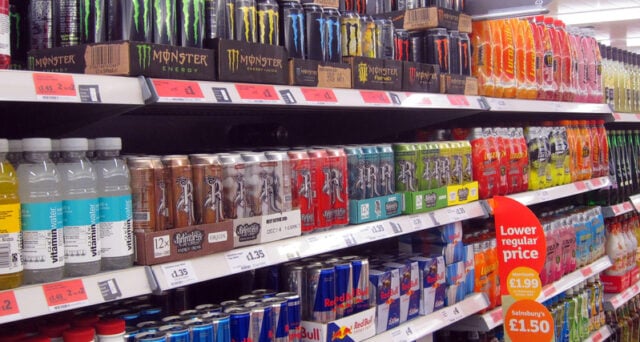
Energy drinks line store shelves everywhere, right beside bottled water and soda. Most shoppers assume these cans are harmless daily pick-me-ups.
A new study suggests that regular consumption might carry real cardiovascular dangers. Researchers examined over 28,000 adverse-event reports submitted to the FDA from 2017 through 2025. Products containing caffeine and stimulants appeared far more often in reports of severe heart trouble.
The findings will be presented at the American Heart Association’s Scientific Sessions 2026 in Chicago.
The numbers reveal striking patterns. Cardiac arrest was reported about 11 times more often for caffeine and stimulant products than for other goods.

Reports involving energy drinks and stimulant supplements were 4.5 times more likely to cite heart attacks. They were also four times more likely to report ventricular arrhythmias or palpitations. Chest pain, fainting, and elevated heart rates followed similar patterns.
Crucially, roughly 45% of these serious reports involved adults aged 18 to 34. This demographic is rarely viewed as high-risk for cardiovascular crises.
Energy drink sales have surged past $20 billion annually. Some cans contain three times more caffeine per ounce than brewed coffee. Certain workout supplements pack twelve times that amount.
Because the FDA regulates these beverages as foods or supplements, they bypass strict medication testing. A person can easily exceed the recommended 400-milligram daily caffeine limit with just two drinks.
Lead author Sai Samayamanthula urged medical providers to query young patients experiencing palpitations about their supplement habits. Independent experts caution that voluntary reports cannot definitively establish direct cause-and-effect.
Still, the data highlights clear warning signs. Young consumers should track daily stimulant intake carefully to protect their hearts.
Sources Used:
- American Heart Association Scientific Sessions 2026: https://professional.heart.org/en/meetings/scientific-sessions
- U.S. Food and Drug Administration (FDA) Center for Food Safety and Applied Nutrition Adverse Event Reporting System (CAERS): https://www.fda.gov/food/compliance-enforcement-food/cfsan-adverse-event-reporting-system-caers
- American Heart Association Scientific Statement on Caffeine and Cardiovascular Disease (2026): https://www.heart.org
Disclaimer
Artificial Intelligence Disclosure & Legal Disclaimer
AI Content Policy.
To provide our readers with timely and comprehensive coverage, South Florida Reporter uses artificial intelligence (AI) to assist in producing certain articles and visual content.
Articles: AI may be used to assist in research, structural drafting, or data analysis. All AI-assisted text is reviewed and edited by our team to ensure accuracy and adherence to our editorial standards.
Images: Any imagery generated or significantly altered by AI is clearly marked with a disclaimer or watermark to distinguish it from traditional photography or editorial illustrations.
General Disclaimer
The information contained in South Florida Reporter is for general information purposes only.
South Florida Reporter assumes no responsibility for errors or omissions in the contents of the Service. In no event shall South Florida Reporter be liable for any special, direct, indirect, consequential, or incidental damages or any damages whatsoever, whether in an action of contract, negligence or other tort, arising out of or in connection with the use of the Service or the contents of the Service.
The Company reserves the right to make additions, deletions, or modifications to the contents of the Service at any time without prior notice. The Company does not warrant that the Service is free of viruses or other harmful components.