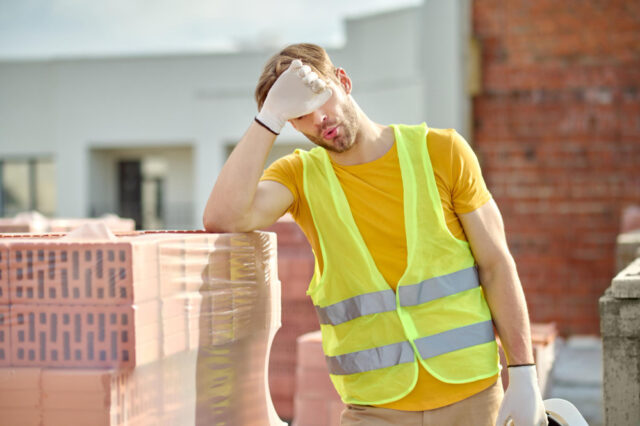
For Miami’s outdoor workforce, a typical workday can involve hours of physical labor in heat and humidity that make it difficult for the body to cool down. Construction workers may spend the day on exposed sites, landscapers work through the midday sun, and delivery employees move between hot streets and buildings. These conditions can take a physical toll, particularly when demanding schedules leave little time to rest.
Prolonged exposure can lead to dehydration, heat exhaustion, and, in severe cases, heatstroke. The risks extend beyond discomfort, affecting workers’ ability to perform their jobs safely and potentially leading to serious medical complications. Understanding how these conditions develop helps explain why heat management is an important part of workplace safety in Miami.
Why Miami’s Weather Creates Challenges
The human body relies on sweating to regulate its temperature. As sweat evaporates from the skin, it helps release excess heat. However, Miami’s high humidity can interfere with this process. When the air already contains considerable moisture, sweat evaporates less efficiently, making it harder for the body to cool itself.
Direct sunlight adds to the problem. Workers on rooftops, construction sites, roads, and open properties may have little protection from the sun. Pavement, roofing materials, and other surfaces can absorb heat throughout the day, creating uncomfortable conditions even when workers occasionally move into the shade.

Physical activity increases the body’s internal temperature as well. Carrying construction materials, pushing equipment, lifting packages, and performing repetitive tasks all require energy and generate heat. Without enough water and time to recover, workers can become dehydrated and struggle to maintain a safe body temperature.
The longer these conditions continue, the greater the potential danger. Workers who are new to an outdoor job or returning after time away may be especially vulnerable because their bodies have not fully adjusted to working in the heat.
Recognizing the Warning Signs
Heat exhaustion can develop when the body loses too much water and salt through sweating. Symptoms may include dizziness, headaches, nausea, muscle cramps, weakness, and heavy sweating. Some workers may also notice that their heart is beating faster than usual or that they feel unusually tired.
These symptoms can interfere with a person’s ability to perform tasks safely. A worker who becomes dizzy while climbing a ladder or operating machinery faces additional risks beyond the effects of the heat itself.
Heatstroke is more serious and can cause permanent organ damage or death. Warning signs include confusion, fainting, seizures, unusual behavior, and a very high body temperature. A person experiencing heatstroke may still be sweating, so the absence of dry skin does not rule it out.
Suspected heatstroke requires immediate emergency assistance. Someone should call 911, begin cooling the affected worker, and follow the instructions of emergency responders. The person should not be left alone or encouraged to finish the shift.
Less severe symptoms also deserve attention. Moving an affected worker to a cooler location, loosening unnecessary clothing, and offering water if the person is fully alert and able to swallow may help. Severe or persistent symptoms require medical evaluation, and workers should not return to strenuous activity while they are still unwell.
Different Jobs Bring Different Challenges
Construction workers often face several sources of thermal stress at once. They may spend hours on open sites, carry heavy materials, climb scaffolding, or work near equipment that produces additional heat. Protective clothing and safety equipment can also limit how easily the body releases warmth. Roofing crews may face particularly demanding conditions because their work surfaces can become much hotter than the surrounding air.
Landscapers experience similar pressures while mowing lawns, trimming trees, digging, and moving soil. These tasks require sustained physical effort, and large properties may offer few shaded areas. Workers may also have to transport equipment between locations, increasing their time in the sun.
Delivery workers encounter different challenges. They may repeatedly leave air-conditioned vehicles to carry packages, climb stairs, or walk between buildings. Tight schedules can make it difficult to take breaks, especially during busy periods. Workers making deliveries by bicycle or on foot may remain exposed for much of their shifts.
Outdoor maintenance employees face their own risks while repairing equipment, cleaning properties, maintaining pools, or working in parking lots. Their duties can involve long periods outside, sometimes without convenient access to drinking water or a cool place to rest.
Although these occupations differ, the underlying concerns are similar. Physical exertion, limited recovery time, and inadequate cooling can combine with oppressive weather to make routine tasks hazardous.
Reducing Risks on the Job
Preventing heat illness starts with planning the workday around actual conditions. Employers can provide drinking water, shaded rest areas, and access to air-conditioned spaces where possible. Regular breaks give workers time to cool down, while scheduling demanding tasks for cooler hours can reduce the burden on their bodies.
Workers also need time to adjust to hot conditions. Someone starting an outdoor job or returning after an extended absence may not be ready for a full workload in extreme weather. Gradually increasing exposure and physical demands can help the body adapt.
Training is equally important. Employees should know the symptoms of heat exhaustion and heatstroke, understand when to stop working, and recognize when a coworker needs help. Supervisors should take reports of dizziness, nausea, or unusual fatigue seriously rather than treating them as ordinary discomfort.
Safety measures should reflect the work being performed. A person doing light maintenance in partial shade may have different needs from a construction worker lifting heavy materials under direct sunlight for several hours. One general approach may not adequately address every job’s risks.
When Heat Illness Becomes a Workplace Injury
A serious episode can leave a worker facing medical expenses, missed shifts, and a potentially lengthy recovery. In some cases, complications may affect the person’s ability to return to the same duties.
The circumstances surrounding the incident can become important when determining whether the condition is work-related. For example, a construction employee who develops heat exhaustion after hours of strenuous activity may need medical records documenting the symptoms, treatment, and timing of the incident. Information about job-site conditions, assigned tasks, available breaks, and access to water may also help establish what happened.
Florida’s workers’ compensation system may cover qualifying work-related conditions, depending on the facts and applicable requirements. Questions about these claims may arise in situations involving a Miami work injury lawyer, particularly when an employee’s symptoms develop gradually rather than following one clearly defined accident. Promptly reporting symptoms and seeking medical attention can help create a more complete record of the circumstances.
Making Outdoor Work Safer
Miami’s weather is a regular part of outdoor employment, but serious illness should not be treated as an unavoidable part of the job. Humidity, sunlight, and physical exertion can create dangerous conditions even for people who have spent years working outside.
Access to water, regular rest breaks, appropriate scheduling, and early recognition of symptoms can help reduce the risks. When a worker becomes ill, prompt treatment and accurate documentation can help clarify what happened and support recovery.
Disclaimer
Artificial Intelligence Disclosure & Legal Disclaimer
AI Content Policy.
To provide our readers with timely and comprehensive coverage, South Florida Reporter uses artificial intelligence (AI) to assist in producing certain articles and visual content.
Articles: AI may be used to assist in research, structural drafting, or data analysis. All AI-assisted text is reviewed and edited by our team to ensure accuracy and adherence to our editorial standards.
Images: Any imagery generated or significantly altered by AI is clearly marked with a disclaimer or watermark to distinguish it from traditional photography or editorial illustrations.
General Disclaimer
The information contained in South Florida Reporter is for general information purposes only.
South Florida Reporter assumes no responsibility for errors or omissions in the contents of the Service. In no event shall South Florida Reporter be liable for any special, direct, indirect, consequential, or incidental damages or any damages whatsoever, whether in an action of contract, negligence or other tort, arising out of or in connection with the use of the Service or the contents of the Service.
The Company reserves the right to make additions, deletions, or modifications to the contents of the Service at any time without prior notice. The Company does not warrant that the Service is free of viruses or other harmful components.