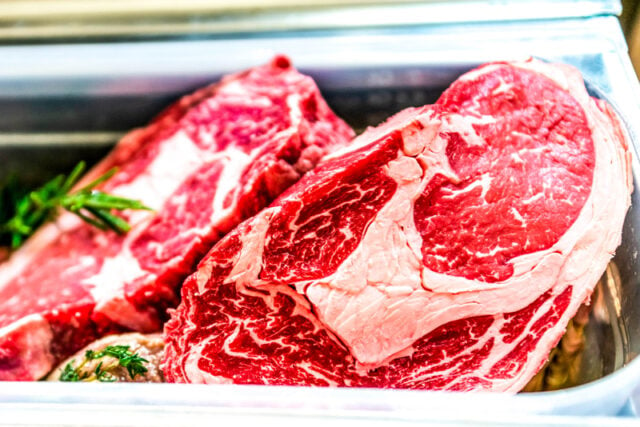
A true Wagyu steak restaurant earns its reputation through traceable beef, careful handling, and disciplined cooking. Diners notice the difference in marbling, texture, and flavor, but those qualities begin long before a steak reaches the plate. Breed records, grading standards, sourcing choices, and temperature control all shape the experience. Learning how these elements work helps diners judge whether a menu reflects genuine quality, which leads to the first question: what defines authentic Wagyu in the first place?
For diners, the term “Wagyu” should signal more than a high price or generous marbling. A serious Wagyu steak restaurant explains origin, grading, preparation, and portion choices plainly. That transparency lets guests compare Japanese-bred and domestic Wagyu, understand price differences, and choose a suitable serving.
Genetics and Grading
Wagyu describes specific Japanese cattle breeds, with genetics that support extensive intramuscular fat. This fat appears as fine white lines throughout the muscle rather than a thick outer layer. The pattern creates a softer bite and spreads flavor across each slice.
Grading lets diners evaluate quality practically. Japanese systems assess yield and meat quality, including marbling, color, texture, and fat quality. A menu should identify the grading system used because labels from different countries don’t measure the same attributes.

Marbling and Flavor
Marbling influences tenderness, juiciness, and how heat moves through the steak. Fine fat deposits soften during cooking, coating the palate without requiring a heavy sauce. The best preparation lets diners taste the beef before adding salt, pepper, or a finishing garnish.
High marbling doesn’t make every cut identical. A tenderloin, strip, ribeye, and sirloin have different muscle structures and fat patterns. Skilled staff explain those differences so diners can choose based on texture, portion size, and preferred flavor.
Sourcing and Traceability
A restaurant earns trust by naming the beef’s origin with useful precision. That information can include the country, region, producer, breed, and grading standard. Broad terms like “premium Wagyu” add little value without details diners can verify.
Traceability also protects the menu’s core value. Japanese Wagyu and American Wagyu describe different production backgrounds, even when both use Wagyu genetics. Clear labeling prevents confusion and gives guests a fair basis for comparing cuts and prices.
Aging and Preparation
Aging changes a steak’s texture and flavor through controlled moisture loss and natural enzymatic activity. Wet aging and dry aging produce different results, so the menu or server should explain which method shaped the cut.
Preparation starts before the pan or grill reaches temperature. Proper portioning supports even cooking, while tempering helps the center heat predictably. A cook who understands the cut avoids burning the exterior before the fat has softened.
Cooking and Service
Wagyu requires close attention because abundant marbling changes the cooking process. Too much heat can burn rendered fat, while too little leaves the surface pale and underdeveloped. A properly heated cooking surface browns the beef without masking its flavor.
Resting also matters. The pause lets heat settle, and juices redistribute before slicing. Staff should serve the steak at a temperature that preserves its texture, then provide a clean knife and enough space for deliberate tasting.
Reading the Dining Experience
A reputable restaurant treats the menu as a record of decisions, not a list of impressive descriptions. It identifies the cut, origin, grade, portion, and price without forcing guests to rely on assumptions. Servers should answer direct questions about cooking temperatures and preparation.
The setting matters because Wagyu often comes in smaller portions with concentrated flavor. Simple side dishes prevent competition with the steak, while restrained seasoning keeps the beef recognizable. Thoughtful pacing gives diners time to compare the first bite with later slices.
Conclusion
A prized Wagyu restaurant earns its reputation through evidence diners can see, taste, and question. Breed information, grading, traceable sourcing, careful cooking, and precise service each shape the final steak. Price alone proves nothing. Before ordering, guests should ask where the beef came from, which grade applies, how the cut is prepared, and what portion suits the meal. Those answers reveal whether the restaurant treats Wagyu as a documented ingredient rather than a fashionable label.
Disclaimer
Artificial Intelligence Disclosure & Legal Disclaimer
AI Content Policy.
To provide our readers with timely and comprehensive coverage, South Florida Reporter uses artificial intelligence (AI) to assist in producing certain articles and visual content.
Articles: AI may be used to assist in research, structural drafting, or data analysis. All AI-assisted text is reviewed and edited by our team to ensure accuracy and adherence to our editorial standards.
Images: Any imagery generated or significantly altered by AI is clearly marked with a disclaimer or watermark to distinguish it from traditional photography or editorial illustrations.
General Disclaimer
The information contained in South Florida Reporter is for general information purposes only.
South Florida Reporter assumes no responsibility for errors or omissions in the contents of the Service. In no event shall South Florida Reporter be liable for any special, direct, indirect, consequential, or incidental damages or any damages whatsoever, whether in an action of contract, negligence or other tort, arising out of or in connection with the use of the Service or the contents of the Service.
The Company reserves the right to make additions, deletions, or modifications to the contents of the Service at any time without prior notice. The Company does not warrant that the Service is free of viruses or other harmful components.