The Middle East on Edge
The Middle East is facing another dangerous flashpoint this week. Tensions across the region are climbing to levels not seen in years. Things are moving quickly on multiple diplomatic and military fronts. Naval patrols are choking off covert oil shipments across key sea lanes. Meanwhile, American diplomats are evacuating their posts in Saudi Arabia. At the same time, high-level war rooms are planning their next moves. Every development points toward a critical showdown in the coming months.
Iran-aligned Houthi rebels have intensified their attacks on Saudi Arabia, targeting King Fahd International Airport in Dammam and triggering a major security scare. The attack killed one person and injured eight others, while authorities assess the damage caused to the airport. https://t.co/VxilI0zA2l
— Shogri (@shogri786) October 22, 2026
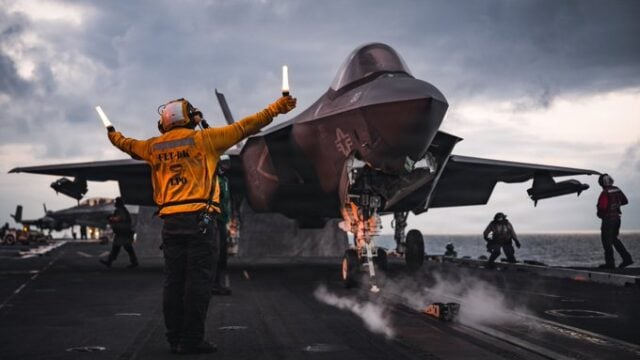
At the center of this maritime clash sits Iran’s illicit trade. The United States military is actively enforcing a strict naval blockade. American warships routinely intercept vessels traveling to and from Iranian ports. This operation directly targets Tehran’s massive shadow fleet of crude carriers. For years, these covert tankers helped Iran bypass international sanctions. They used fake flags and disabled transponders to move illicit oil. Now, naval scrutiny is rapidly drying up those vital revenues. The blockade has caused severe economic ripples inside Iran. Domestic inflation has surged, and maritime shipping lines are completely frozen. Tehran has called the blockade an existential threat to its survival. In response, Iranian forces have threatened international shipping near the strait.
The conflict is rapidly expanding on land and in the regional skies. Yemen’s Houthi rebels have unleashed fresh waves of drone and missile attacks. These aggressive strikes have repeatedly struck inside Saudi Arabian territory. A recent drone strike hit King Fahd International Airport in Dammam. That incident resulted in civilian casualties and caused broad travel disruptions. Another intercepted drone targeted Saudi Aramco’s vital Shaybah oilfield. In response, the US State Department took emergency action. Washington ordered non-emergency diplomats and their families to leave Saudi Arabia. Security warnings advised remaining citizens to exercise extreme caution across the Gulf. This evacuation marks a sharp downturn in regional safety and stability.

The looming question is what happens after the American midterm elections. Political timing currently shapes how Washington approaches direct military action. Donald Trump has publicly suggested that the conflict will end quickly. He previously told reporters that the midterms would bring a resolution. Behind the scenes, however, Israeli and American defense planners are preparing. Both allies have drafted detailed plans for joint military strikes. Reports indicate they are eyeing a short, high-intensity aerial offensive. Potential targets include Iranian nuclear facilities, missile depots, and energy hubs. Israeli officials view the period after the vote as a crucial window. They believe decisive action may permanently disrupt Tehran’s regional proxy network.
The entire region is now locked in a precarious holding pattern. Washington believes the naval blockade will force Tehran to make concessions. Yet Iranian leaders insist sanctions must end before any talks resume. Neither side appears ready to blink or offer meaningful compromises. Meanwhile, global energy markets are bracing for sudden price shocks. Commercial tankers transiting Gulf waterways face rising insurance costs and danger. Analysts fear a single stray missile could ignite full-scale regional war. For now, diplomats and defense officials are closely watching the calendar. The real test will unfold the moment the ballots are tallied.
Sources Used
- Reuters: https://www.reuters.com
- The New York Times: https://www.nytimes.com
- Time Magazine: https://time.com
- India Today: https://www.indiatoday.in
- Ynetnews: https://www.ynetnews.com
Disclaimer
Artificial Intelligence Disclosure & Legal Disclaimer
AI Content Policy.
To provide our readers with timely and comprehensive coverage, South Florida Reporter uses artificial intelligence (AI) to assist in producing certain articles and visual content.
Articles: AI may be used to assist in research, structural drafting, or data analysis. All AI-assisted text is reviewed and edited by our team to ensure accuracy and adherence to our editorial standards.
Images: Any imagery generated or significantly altered by AI is clearly marked with a disclaimer or watermark to distinguish it from traditional photography or editorial illustrations.
General Disclaimer
The information contained in South Florida Reporter is for general information purposes only.
South Florida Reporter assumes no responsibility for errors or omissions in the contents of the Service. In no event shall South Florida Reporter be liable for any special, direct, indirect, consequential, or incidental damages or any damages whatsoever, whether in an action of contract, negligence or other tort, arising out of or in connection with the use of the Service or the contents of the Service.
The Company reserves the right to make additions, deletions, or modifications to the contents of the Service at any time without prior notice. The Company does not warrant that the Service is free of viruses or other harmful components.