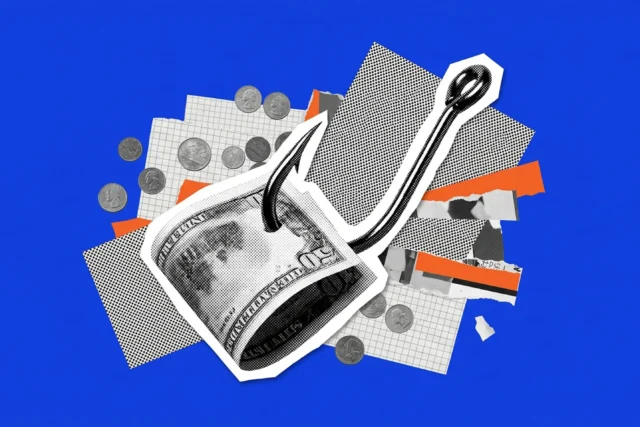
With the midterm just weeks away, scammers are looking to cash in on Americans’ political enthusiasm by impersonating candidates and their campaigns.
The FBI released an alert Thursday warning that fraudsters could exploit the upcoming elections to trick voters into making fraudulent campaign donations, purchasing merchandise they’ll never receive or handing over sensitive personal information.
While officials haven’t yet identified specific cases tied to this year’s midterms, these scams are nothing new: The agency issued a similar warning ahead of the 2024 presidential election. And advances in artificial intelligence since then have made it even easier for criminals to create increasingly convincing messages, images and voices.

Scammers have used candidates’ names, photos, logos and campaign slogans to make fraudulent solicitations appear legitimate. One common tactic involves impersonating political action committees (PACs), Super PACs or campaign organizations to solicit donations. Rather than supporting a candidate, however, the money goes directly to the scam operation.
Voters could also unknowingly purchase fake campaign merchandise. This could be AI-generated merchandise that isn’t real or you could land on a phony website that shows images of actual campaign merch. In either case, the scammers will collect your payment but never deliver the products and eventually disappear with your money.
In another scheme, scammers promise guaranteed returns to people who supposedly invest in a candidate’s campaign. Targets are told they’ll receive a payout if the candidate wins the election and may even be encouraged to recruit others in exchange for a larger share of the profits.
Some election cons don’t involve asking for money upfront. For example, fraudsters can send texts or emails falsely claiming you aren’t registered to vote. Links in those messages lead to fake voter registration websites designed to your steal personal information, which criminals can then use to commit identity theft or other financial fraud.
How to protect yourself from election scams
The FBI recommends being skeptical of unsolicited calls, texts, emails and surveys claiming to represent political candidates or organizations, especially those requesting money or personal information.
Before making a political donation, always verify that the organization in question is legitimate. You can do this through the Federal Election Commission, which maintains registration records and financial filings for political committees.
Unfortunately, registration alone isn’t necessarily proof that an organization is trustworthy. The FBI says that some suspicious PACs may be officially registered, so you should also check how organizations you’re unfamiliar with are spending their donations before giving any money. Spending disproportionately large amounts of money on fundraising, consulting or other administrative expenses could indicate a scam.
If you’re purchasing campaign merchandise, research the seller beforehand and check for complaints on the Better Business Bureau’s website. Avoid following payment links from unsolicited messages and instead navigate directly to a candidate’s or organization’s official website.
Also, remember that campaign contributions aren’t investments. Any promises of financial returns if a candidate wins should be treated as a major red flag.
Anyone who encounters a suspected election scam can report it to the FBI’s Internet Crime Complaint Center with details about the sender, website and any financial transactions involved. And if you receive a message claiming your voter registration is invalid, verify your status through Vote.gov rather than clicking the link.
Disclaimer
Artificial Intelligence Disclosure & Legal Disclaimer
AI Content Policy.
To provide our readers with timely and comprehensive coverage, South Florida Reporter uses artificial intelligence (AI) to assist in producing certain articles and visual content.
Articles: AI may be used to assist in research, structural drafting, or data analysis. All AI-assisted text is reviewed and edited by our team to ensure accuracy and adherence to our editorial standards.
Images: Any imagery generated or significantly altered by AI is clearly marked with a disclaimer or watermark to distinguish it from traditional photography or editorial illustrations.
General Disclaimer
The information contained in South Florida Reporter is for general information purposes only.
South Florida Reporter assumes no responsibility for errors or omissions in the contents of the Service. In no event shall South Florida Reporter be liable for any special, direct, indirect, consequential, or incidental damages or any damages whatsoever, whether in an action of contract, negligence or other tort, arising out of or in connection with the use of the Service or the contents of the Service.
The Company reserves the right to make additions, deletions, or modifications to the contents of the Service at any time without prior notice. The Company does not warrant that the Service is free of viruses or other harmful components.