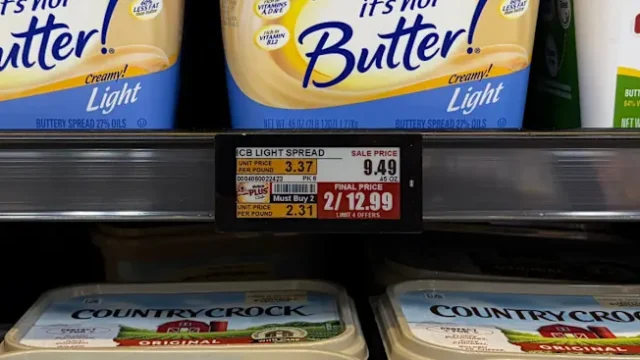
Walking down supermarket aisles can feel like a guessing game. Package sizes constantly change, which makes spotting bargains tricky. Fortunately, a simple math trick can reveal genuine savings right on the shelf. It is called unit pricing. This number shows the cost per ounce, pound, or pint. Looking at unit prices lets you compare different package sizes accurately. It turns confusing price tags into clear information you can actually use.
Finding true deals matters now more than ever. Shoppers face confusing sales tactics and shifting price strategies every day. In a recent investigation, Consumer Reports examined personalized pricing trends across several retail and delivery apps. Retailers increasingly tailor promotions based on consumer data. Under these market conditions, relying on standard shelf tags offers a steady defense. Yet, clear shelf information is not always guaranteed. As Consumer Reports advocacy programs director Chuck Bell noted, “It’s frustrating.” Bell argued that federal and state laws should strengthen shelf price transparency everywhere. Mandatory label rules currently vary widely across different states.
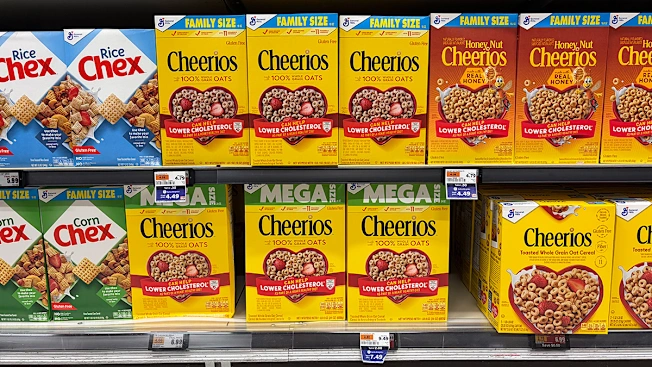
Photo: Consumer Reports
Bigger packages do not always offer the best value. Shoppers often assume bulk purchases automatically reduce per-unit costs. However, sales and manufacturer promotions can flip the math completely. In one retail test, Consumer Reports found a smaller cereal box was cheaper per ounce than larger boxes. Unit pricing also exposes shrinkflation, where manufacturers quietly reduce package volume without dropping prices. Checking the net weight prevents you from paying more for less food.
Comparing products requires watching out for mismatched measurements. Stores sometimes display one item in ounces and an adjacent brand in pounds. Consumer Reports observed this issue with baking staples, spices, and liquid extracts. Paper products create even greater confusion for shoppers. Packaging terms like mega, jumbo, or double roll often disguise the actual sheet counts. In fact, Consumer Reports described toilet paper as “the nemesis of unit pricing.” To find the real bargain, shoppers should calculate the cost per square foot instead.

You do not need advanced math skills to shop smarter. Most smartphones include free calculators or dedicated unit-pricing apps to do the work. Before comparing prices, always subtract coupons or digital discounts first. Then, convert package weights into identical units of measurement. Be cautious when buying perishables in bulk quantities. Food that spoils in your refrigerator eliminates any potential savings. Checking unit tags takes only seconds, but it reliably protects your weekly budget. Smart shopping starts with comparing the numbers.
Sources Used
- Consumer Reports: https://www.consumerreports.org/money/grocery-stores-supermarkets/save-money-with-unit-pricing-a8426386708/
Disclaimer
Artificial Intelligence Disclosure & Legal Disclaimer
AI Content Policy.
To provide our readers with timely and comprehensive coverage, South Florida Reporter uses artificial intelligence (AI) to assist in producing certain articles and visual content.
Articles: AI may be used to assist in research, structural drafting, or data analysis. All AI-assisted text is reviewed and edited by our team to ensure accuracy and adherence to our editorial standards.
Images: Any imagery generated or significantly altered by AI is clearly marked with a disclaimer or watermark to distinguish it from traditional photography or editorial illustrations.
General Disclaimer
The information contained in South Florida Reporter is for general information purposes only.
South Florida Reporter assumes no responsibility for errors or omissions in the contents of the Service. In no event shall South Florida Reporter be liable for any special, direct, indirect, consequential, or incidental damages or any damages whatsoever, whether in an action of contract, negligence or other tort, arising out of or in connection with the use of the Service or the contents of the Service.
The Company reserves the right to make additions, deletions, or modifications to the contents of the Service at any time without prior notice. The Company does not warrant that the Service is free of viruses or other harmful components.