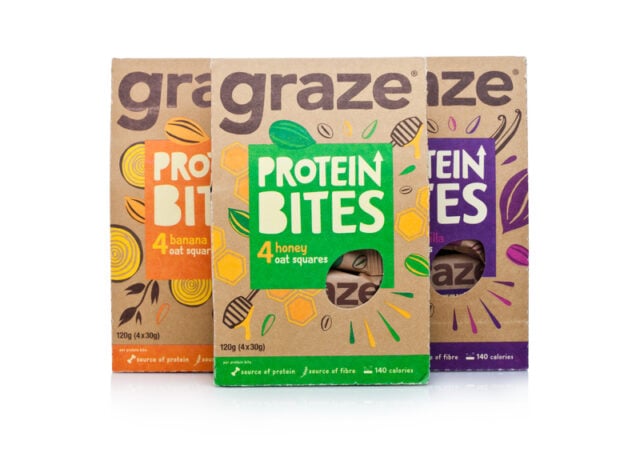
Take a quick stroll down your local supermarket aisles this week. You might notice something bizarre on the shelves. Bold front labels announce giant protein numbers on almost every box. Protein is no longer just for bodybuilders lifting heavy barbells. Today, you will find it in pancake mixes, granola, and pasta sauces. It has even found its way into candy bars and snack crackers. The New York Times reported that “America’s protein obsession has become a full-fledged food-industry arms race.”
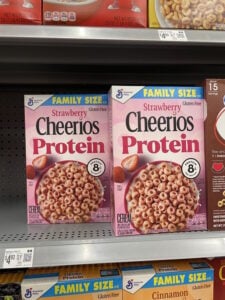
The scale of this retail shift is genuinely staggering. According to retail tracker NIQ, more than thirty-seven thousand grocery products now carry front-of-package protein claims. Those eye-catching banners generate roughly ninety billion dollars in yearly retail sales. Consumers even spent two billion dollars on protein-fortified frozen pizzas alone. In an interactive Upshot investigation, The New York Times noted that “protein is everywhere — in chips, candy, cookies, even water.” Food executives realize that printing protein numbers moves items off grocery shelves faster than ever before.
Why are shoppers suddenly so obsessed with this single macronutrient? Several distinct cultural and medical factors are converging right now. As The New York Times explained, the trend reflects “growing consumer interest in high-protein diets” and weight-loss drugs. Patients taking GLP-1 medications seek extra protein to protect lean muscle mass. Meanwhile, fitness influencers across social media praise protein as a cure-all for cravings. Everyday shoppers simply want snacks that keep them feeling full between meals. Brands eagerly capitalize on that widespread enthusiasm.
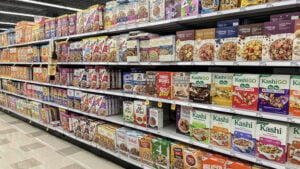
Yet nutritionists urge consumers to look past flashy packages and clever marketing. The USDA points out that nearly ninety percent of Americans already eat plenty of protein daily. Adding whey protein to junk food does not magically create a superfood. Donald Layman, an expert nutrition researcher, described this practice as “fairy dusting.” As The New York Times pointed out, adding protein to a cupcake “doesn’t fundamentally change what the food is.” A bag of sugary cookies fortified with whey is still a bag of sugary cookies.

The marketing blitz has pushed into downright comical territory across many grocery aisles. High-protein claims now appear on potato chips, toaster pastries, and bottled iced coffees. As The New York Times observed, claims are “sneaking into categories that don’t make a lot of sense.” Shoppers routinely pay hefty price premiums for these reformulated snack items. In reality, most people would benefit far more from eating simple whole foods. Staples like eggs, Greek yogurt, beans, and lentils supply quality nutrients without extra fillers.
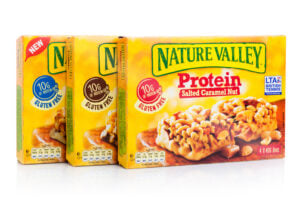
Some market researchers now believe the protein fad might finally be reaching its limit. Reporting on shifting consumer habits, The New York Times questioned whether protein reached its “jump-the-shark moment.” Food brands always hunt for the next buzzy nutrient to splash across colorful packaging. If the protein craze eventually cools down, brand marketers already have another candidate ready. Industry insiders suggest that dietary fiber will likely become the next major wellness trend.
For now, shoppers should remain savvy when browsing local supermarket aisles. Do not let bold protein claims blind you to high levels of sugar, sodium, or saturated fat. Read ingredient labels carefully before tossing trendy items into your grocery cart. Real nutrition comes from balanced, wholesome meals rather than packaged novelties. You do not need twenty grams of whey protein in your morning pastry to thrive. Focus on whole ingredients, and your body will get everything it truly requires.
Sources Used
- The New York Times: https://www.nytimes.com/interactive/2026/09/28/upshot/protein.html?nl=the-morning®i_id=164078404&segment_id=227179
- NIQ (NielsenIQ): https://nielseniq.com
- U.S. Department of Agriculture (USDA): https://www.usda.gov
Disclaimer
Artificial Intelligence Disclosure & Legal Disclaimer
AI Content Policy.
To provide our readers with timely and comprehensive coverage, South Florida Reporter uses artificial intelligence (AI) to assist in producing certain articles and visual content.
Articles: AI may be used to assist in research, structural drafting, or data analysis. All AI-assisted text is reviewed and edited by our team to ensure accuracy and adherence to our editorial standards.
Images: Any imagery generated or significantly altered by AI is clearly marked with a disclaimer or watermark to distinguish it from traditional photography or editorial illustrations.
General Disclaimer
The information contained in South Florida Reporter is for general information purposes only.
South Florida Reporter assumes no responsibility for errors or omissions in the contents of the Service. In no event shall South Florida Reporter be liable for any special, direct, indirect, consequential, or incidental damages or any damages whatsoever, whether in an action of contract, negligence or other tort, arising out of or in connection with the use of the Service or the contents of the Service.
The Company reserves the right to make additions, deletions, or modifications to the contents of the Service at any time without prior notice. The Company does not warrant that the Service is free of viruses or other harmful components.