NEW: Significant September Nor’easter Results in Billions of Damages and Economic Loss
The massive nor’easter caused $10-$13 billion in total damages and economic loss across the region, according to a preliminary report from AccuWeather experts.
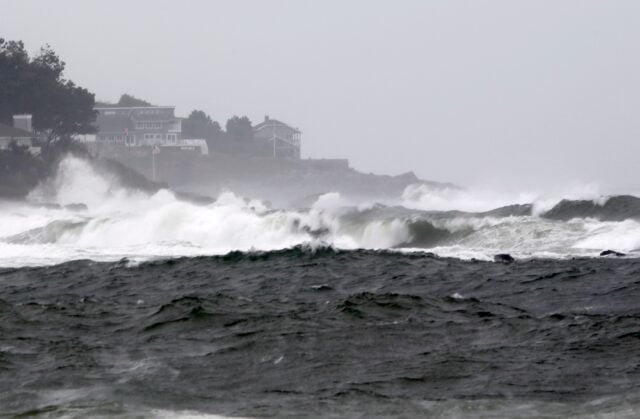
AccuWeather experts say long duration and major coastal flooding from the mid-Atlantic up the coast into New England especially along the New Jersey coastline, beach erosion, damaging winds, widespread power outages and economic losses from closures, cancellations and transportation delays in a key economic corridor were the biggest impacts from the storm.
The storm is drawing stark comparisons to Hurricane Sandy (2012) due to similar tracks and devastating coastal flooding impacts.
“Hurricane Sandy was a far more intense and larger storm as compared to this nor’easter, but both of the storms took an unusual northwest turn as they moved up the Eastern seaboard, moving inland over New Jersey as opposed to a more typical track for a coastal storm, which routinely parallels the coast and remain off the Eastern seaboard before moving out to sea,” said AccuWeather Chief Meteorologist Jonathan Porter. “The unusual turn into the coast results in more intense coastal flooding, especially north and east of the storm’s track as winds direct more water to the coastline.”
“While the storm surge from this nor’easter was far below the levels observed in Hurricane Sandy, in some coastal communities, especially in New Jersey, this storm produced the highest water levels since Hurricane Sandy and among the top 5 highest water levels in the observational record in some places,” Porter added.
This Preliminary Total Damage and Economic Loss Estimate Focuses on Many Key Factors:
- Unusually persistent coastal flooding over multiple high tide cycles inundated roads and vehicles from the Carolinas into the Northeast, including storm surges of more than 3 feet in Atlantic City, NJ and other coastal areas. In many areas, there was significant flooding of homes and businesses outside of places that are typical coastal flooding zones in other storms.
- Powerful wind gusts, some exceeding 80 mph, toppled trees and power lines on Long Island, New Jersey and southeastern New England, leaving more than 200,000 customers without power and causing property damage.
- Strong winds, elevated water levels and high waves, some reported as high as 16 feet, caused significant beach and dune erosion from North Carolina through Maine. The surge caused damage to portions of N.C. Highway 12 along the Outer Banks and disrupted coastal transportation across the region.
- The storm caused more than 500 flight cancelations out of Logan International Airport in Boston, and hundreds of delays in and out of New York’s main airports.
- Widespread travel and business disruptions, including road closures, flight delays and cancellations, power outages, damage to infrastructure as well as business closures and cancellations of scheduled events such as festivals added to the storm’s overall economic toll.
This is a preliminary estimate and could be updated as continued impacts unfold before the storm pulls away from the region later Monday.
About Total Damage and Economic Impact Estimates
AccuWeather incorporates independent methods to evaluate all direct and indirect impacts of the storm, includes both insured and uninsured losses and is based on a variety of sources, statistics and unique techniques AccuWeather uses to estimate the damage. It includes damage to property, job and wage losses, crops, infrastructure, interruption of the supply chain, auxiliary business losses and flight delays. The estimate also accounts for the costs of evacuations, relocations, emergency management and the extraordinary government expenses for cleanup operations and the long-term effects on business logistics, transportation and tourism as well as the long-term and short-term health effects and the medical and other expenses of unreported deaths and injuries.
Water damage is especially costly and is often not covered by standard homeowners’ insurance. Many people are underinsured for flood damage. An estimated 4% of U.S. homeowners have flood insurance through the National Flood Insurance Program, though participation is often higher in communities near waterways.
AccuWeather is the trusted source for total damage and economic loss estimates for weather disasters in the United States. Our recognized experts incorporate independent methods to evaluate all direct and indirect impacts of extreme weather events. In 2017, AccuWeather first issued a widely quoted preliminary estimate for total damage and economic loss during catastrophic flooding from Hurricane Harvey along the Gulf coast, which helped people in the impacted area, and across the country to better understand the magnitude of the disaster.