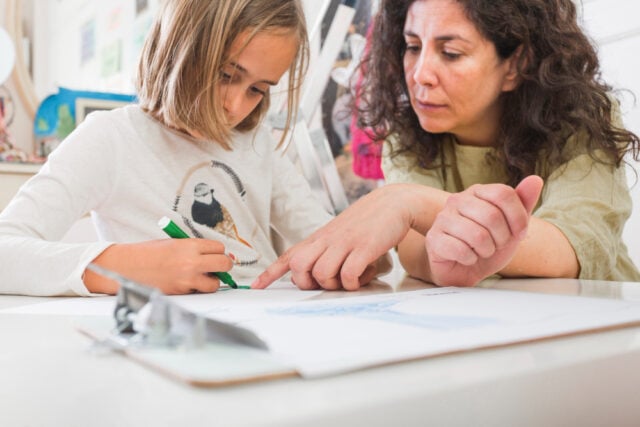
Fine motor skills control the small, precise movements needed for writing, dressing, eating, drawing, and classroom work. Children may struggle because of reduced hand strength, poor motor planning, sensory differences, or limited coordination. Pediatric occupational therapy addresses these factors through purposeful activities, repetition, and guided practice. Treatment connects physical abilities with daily routines, allowing children to complete tasks with greater control, less fatigue, and growing independence at home, school, and during play.
Why Hand Skills Matter
Hand control shapes many routines adults perform without conscious effort. Children rely on finger strength to grasp crayons, fasten buttons, open containers, turn pages, and manage utensils. Families seeking pediatric occupational therapy services can receive guidance based on observed performance rather than assumptions. A therapist examines grip, coordination, posture, sensory responses, and task demands. That assessment links therapy goals with activities that matter in a child’s daily life.
Building Grip Strength
A stable grasp allows children to control tools without excessive pressure. Weak finger muscles can lead to early fatigue, inconsistent pencil marks, or difficulty holding eating utensils. Therapists may introduce play dough, clothespins, tweezers, blocks, and construction pieces. Squeezing, pinching, pressing, and releasing strengthen the intrinsic hand muscles through repeated movement. Activities become harder gradually, so children build endurance without losing accuracy.
Improving Finger Coordination
Fine motor performance depends on several fingers working together in a coordinated sequence. A child might grasp a toy successfully but struggle to rotate it, shift it within the palm, or place it precisely. Bead threading, coin sorting, pegboards, puzzles, and finger exercises develop timing and dexterity. These gains carry into shoe tying, scissor use, handwriting, and classroom routines involving small materials.

Supporting Pencil Control
Writing demands more than letter knowledge. Children need a functional grasp, stable wrist position, visual attention, and enough force to guide a pencil across paper. Occupational therapists may practice vertical lines, curves, shapes, letter patterns, and brief writing tasks. Seating position, paper angle, and tool size can also affect performance. Adjustments reduce strain while giving the hand a more efficient movement path for controlled marks.
Strengthening Scissor Skills
Cutting requires bilateral coordination, visual tracking, hand separation, and regulated pressure. One hand stabilizes the paper while the other repeatedly opens and closes the blades. Therapy may begin with short snips through soft material, then progress to straight lines, curves, and simple shapes. Children practice safe hand placement and controlled direction changes. Improved skill makes art activities and classroom assignments less physically demanding.
Connecting Skills With Self-Care
Fine motor development affects personal routines, including zipping coats, managing snaps, brushing teeth, and using a fork. Therapists divide these actions into manageable steps and address the movement that limits completion. A child may first practice grasping a zipper tab before coordinating both hands. Families can repeat each sequence during ordinary routines. Familiar practice strengthens motor memory and reduces dependence on adult assistance.
Using Sensory-Based Activities
Some children avoid hand tasks because certain textures, sounds, or movements feel uncomfortable. Others seek strong sensory input and apply excessive force. Occupational therapy may include tactile materials, resistance work, movement breaks, or calming strategies. These interventions support regulation before and during fine motor practice. A child who feels more regulated may tolerate varied materials, maintain attention longer, and use more appropriate pressure.
Measuring Growth With Data
Effective treatment includes regular observation and objective progress tracking. A therapist may record grasp patterns, task duration, accuracy, endurance, or the amount of adult assistance required. These measures show whether a child is gaining control and where treatment should focus next. Families and educators can then use consistent goals across settings. Fewer prompts, cleaner cuts, or longer participation may represent meaningful functional progress.
Encouraging Practice Through Play
Children often repeat movements more willingly when an activity has a clear purpose. Therapists may use crafts, building tasks, pretend cooking, board games, or a child’s preferred interests. Play creates opportunities to strengthen hands without making every exercise feel clinical. The therapist can change material size, resistance, time limits, or positioning to adjust the challenge. Engagement supports repetition, which remains essential for motor learning.
Extending Progress Beyond Therapy
Skills develop more consistently when adults use related strategies across settings. Parents can offer supervised practice through drawing, opening lunch containers, sorting laundry, or preparing simple foods. Teachers may provide pencil grips, brief movement breaks, or additional time for written work. Consistent cues limit confusion and reinforce efficient movement patterns. Communication between caregivers, educators, and therapists keeps expectations practical and supports carryover.
Choosing Appropriate Support
A professional evaluation clarifies why fine motor tasks remain difficult. Therapists review strengths, routines, sensory responses, coordination, posture, and family priorities before setting treatment goals. Sessions may occur individually in a sensory gym or private room. Caregivers receive feedback after visits, including activities for home practice. Treatment plans should be reviewed regularly as abilities change, school demands increase, or new functional concerns appear.
Conclusion
Fine motor skills influence school participation, self-care, play, and family routines. Occupational therapy provides structured practice for grasping, cutting, writing, dressing, and handling everyday objects. Therapists also show caregivers how to reinforce useful movements outside appointments. With measurable goals, appropriate challenge, and repeated practice, children can improve precision, endurance, and independence. Early guidance may reduce frustration while giving each child stronger physical tools for active participation.
Disclaimer
Artificial Intelligence Disclosure & Legal Disclaimer
AI Content Policy.
To provide our readers with timely and comprehensive coverage, South Florida Reporter uses artificial intelligence (AI) to assist in producing certain articles and visual content.
Articles: AI may be used to assist in research, structural drafting, or data analysis. All AI-assisted text is reviewed and edited by our team to ensure accuracy and adherence to our editorial standards.
Images: Any imagery generated or significantly altered by AI is clearly marked with a disclaimer or watermark to distinguish it from traditional photography or editorial illustrations.
General Disclaimer
The information contained in South Florida Reporter is for general information purposes only.
South Florida Reporter assumes no responsibility for errors or omissions in the contents of the Service. In no event shall South Florida Reporter be liable for any special, direct, indirect, consequential, or incidental damages or any damages whatsoever, whether in an action of contract, negligence or other tort, arising out of or in connection with the use of the Service or the contents of the Service.
The Company reserves the right to make additions, deletions, or modifications to the contents of the Service at any time without prior notice. The Company does not warrant that the Service is free of viruses or other harmful components.