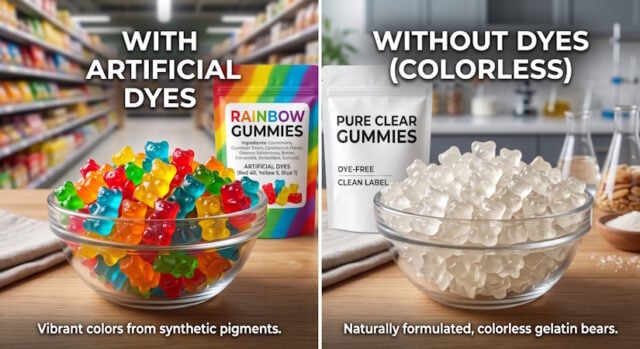
As regulatory scrutiny increases and consumer demand for clean-label products grows, food and beverage manufacturers are racing to eliminate synthetic dyes from their supply chains. For decades, artificial colors such as Red 40, Yellow 5, and Blue 1 supplied vibrant, consistent, and remarkably inexpensive visual appeal to everything from sports drinks to morning cereals. However, phasing out these petroleum-based additives has created an unexpected industry dilemma: replacing them with natural colorants is often wildly complex and prohibitively expensive.
Plant-derived pigments—sourced from beet juice, spirulina, turmeric, and purple sweet potato—bring severe formulation challenges to large-scale food manufacturing. Unlike heat-stable synthetic dyes, natural pigments tend to fade rapidly under store lighting, degrade during high-temperature processing, and alter their hues with changes in acidity. Additionally, natural extracts can impart unwanted herbal or earthy off-flavors to sweet products. Beyond technical hurdles, the global supply of natural colorants remains tight, driving procurement costs significantly higher than traditional chemical dyes.
Faced with these compounding obstacles, a growing number of major consumer packaged goods (CPG) brands are choosing a third path: removing color altogether. By releasing clear, “naked,” or uncolored versions of popular snacks and beverages, companies bypass both synthetic chemicals and the costly physics of natural dyes. From unpigmented gummy candies and clear hydration drinks to dye-free breakfast cereals and colorless snack seasonings, brands are reframing the total absence of color as a premium feature that highlights ingredient purity and transparency.
This colorless trend marks a dramatic shift in consumer psychology. Historically, artificial hues signaled flavor strength—bright blue meant raspberry, while intense red signaled cherry or strawberry. Today, hyper-vibrant shades are increasingly viewed with suspicion by health-conscious shoppers who associate bright colors with ultra-processed food. Clear products offer immediate visual proof of minimal processing, aligning perfectly with modern clean-label expectations.

While going completely colorless may not suit every food category, it provides food scientists and brand executives with a pragmatic alternative to costly natural reformulations. As federal agencies, international regulatory bodies, and state legislatures continue to re-examine artificial food additives, the clear product movement is rapidly evolving from a niche packaging trend into a long-term strategic industry response that could reshape supermarket shelves for years to come.
Sources Used
- Bloomberg: These Products Go Colorless as Companies Race to Cut Artificial Dyes
- Food Dive: How the Shift Away From Artificial Dyes Is Impacting Food Sales
- U.S. Food and Drug Administration: Tracking Food Industry Pledges to Remove Petroleum-Based Food Dyes
- The Food Institute: The Latest in the War on Food Dyes
- Institute of Food Technologists: The Road to Reformulation
Disclaimer
Artificial Intelligence Disclosure & Legal Disclaimer
AI Content Policy.
To provide our readers with timely and comprehensive coverage, South Florida Reporter uses artificial intelligence (AI) to assist in producing certain articles and visual content.
Articles: AI may be used to assist in research, structural drafting, or data analysis. All AI-assisted text is reviewed and edited by our team to ensure accuracy and adherence to our editorial standards.
Images: Any imagery generated or significantly altered by AI is clearly marked with a disclaimer or watermark to distinguish it from traditional photography or editorial illustrations.
General Disclaimer
The information contained in South Florida Reporter is for general information purposes only.
South Florida Reporter assumes no responsibility for errors or omissions in the contents of the Service. In no event shall South Florida Reporter be liable for any special, direct, indirect, consequential, or incidental damages or any damages whatsoever, whether in an action of contract, negligence or other tort, arising out of or in connection with the use of the Service or the contents of the Service.
The Company reserves the right to make additions, deletions, or modifications to the contents of the Service at any time without prior notice. The Company does not warrant that the Service is free of viruses or other harmful components.