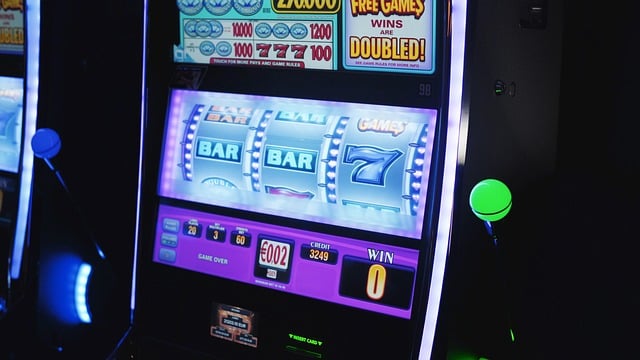
Online slots once relied on a familiar collection of bells, fruit symbols and flashing lights. Their visual language was inherited from physical machines, where a small display and a handful of mechanical reels left little room for elaborate storytelling. Digital technology has gradually removed those restrictions.
Many current releases resemble compact entertainment productions rather than simple copies of traditional slot machines. Animated characters introduce features, music changes as the action develops, and bonus rounds can unfold as short interactive scenes. Game studios now draw from film, television, animation and video games when building the atmosphere around the reels.
This cinematic approach does not change the fundamental role of chance. Instead, it changes how the game communicates its theme and presents each stage of the experience. For developers, the challenge is to create a memorable world without allowing the presentation to obscure essential information.
Familiar Entertainment Can Establish a World Quickly
A conventional film has time to introduce its setting and characters. An online slot must establish its identity almost immediately. Recognizable visual cues provide an efficient solution. A science-fiction game may open with a view of distant planets, while an adventure title might use treasure maps, ancient ruins and dramatic orchestral music.

Licensed properties can make this process even faster. When a game is connected to an established film, television series or game show, much of its visual identity already exists. Familiar characters, locations and sound effects allow the audience to understand the intended tone without a lengthy introduction.
The approach is visible across Mr Q slots online, where the catalog includes games based on Rick and Morty, The Goonies, Ted, and Deal or No Deal alongside original titles. These games do more than place familiar faces on standard reels. Rick and Morty incorporates the show’s portal imagery into random game events, while The Goonies uses characters, traps and a treasure hunt to connect its bonus sequences with the film’s adventure story.
Mr Q operates as a UK-facing platform, and its browser-based catalog demonstrates how licensed entertainment can be adapted for phones, tablets and desktop screens. Because the games run in modern web browsers, their animation, sound and interactive sequences must remain clear across different display sizes.
Animation Now Carries Part of the Story
In older slots, most movement was limited to spinning reels and flashing symbols. Contemporary games can use layered animation throughout the screen. Backgrounds move, characters react and visual transitions signal that a new feature has begun.
These details often perform a practical function. A door opening may introduce a bonus round, a character entering the frame can announce a special modifier, and a change in lighting may separate the main game from a different mode. Animation therefore becomes part of the interface rather than decoration added after the rules have been designed.
Short sequences are especially effective because slot games are built around repeated actions. A feature introduction needs to create excitement without becoming tiresome when seen more than once. Developers often address this by making animations brief, allowing them to be skipped or changing small details between appearances.
The most successful sequences communicate what is happening before the player has read an explanation. Movement directs attention toward the relevant section of the screen, while color and sound distinguish routine events from unusual ones.
Game Music Is Moving Closer to Film Scoring
Sound has become one of the clearest links between games and cinema. Instead of playing one short melody continuously, modern games can use several musical layers that respond to events. A calm background track may become faster when a feature is close, then shift into a more dramatic arrangement once that feature begins.
This is known as adaptive or interactive music. Unlike a film score, which accompanies a fixed sequence, game music must respond to actions that do not occur at a predetermined time. The soundtrack is divided into sections that can be combined without producing an abrupt or distracting transition.
The wider gaming industry has invested heavily in this form of audio production. The Guardian’s account of video-game recording at Abbey Road Studios described how game studios have used orchestras and choirs to create scores with a cinematic scale. It also highlighted an important distinction: film music follows a fixed narrative, while game music must be arranged dynamically by software.
Online slots use the same principle on a smaller scale. Music can intensify during a bonus sequence, pause to make a particular sound effect more noticeable or change entirely when the setting shifts. Even a relatively simple audio cue can tell the audience that the game has entered a different state.
Bonus Rounds Resemble Self-Contained Scenes
Bonus features give designers an opportunity to move temporarily beyond the standard reel layout. Some replace the main screen with a map, selection board, wheel or character-led sequence. Others retain the reels but alter the background, music and available symbols.
Television game shows are especially suited to this structure. Their familiar format of boxes, questions or escalating decisions can be translated into a short digital feature. Deal or No Deal games, for instance, can use the program’s boxes and Banker calls to recreate recognizable moments from the show within a different form of entertainment.
Adventure titles often take another approach. They frame each feature as a new location or stage in a journey. The objective may still depend on a randomized outcome, but the presentation provides continuity between separate events. A treasure room, spaceship or hidden temple gives the feature a visual purpose beyond displaying a different set of symbols. These sequences remain much shorter than levels in a conventional video game. Their cinematic character comes from staging and presentation rather than length.
Mobile Screens Have Changed Cinematic Design
Cinematic presentation once suggested a large, horizontal screen. Online entertainment increasingly has to work on a phone held vertically. This has encouraged designers to think in terms of close-ups, strong central characters and interfaces that can reorganize themselves for different orientations.
Small text and crowded backgrounds are difficult to read on a phone. A mobile-friendly game therefore benefits from one dominant focal point and clearly separated controls. Characters may appear closer to the foreground, while important information remains outside the busiest areas of the artwork.
Sound must also be considered differently. Many people use mobile devices with the volume reduced or muted, so important events cannot be communicated through audio alone. Visual movement, color changes and on-screen messages need to provide the same essential information.
HTML5 technology has helped studios deliver the same underlying game across mobile and desktop browsers. However, technical compatibility does not automatically create a good presentation. Artwork, animation speed and interface scale must still be tested separately on different displays.
Visual Spectacle Still Needs Clear Rules
A game can be visually impressive and still be difficult to understand. The more elaborate the presentation becomes, the more important it is to maintain a clear distinction between entertainment and information.
Paytables, game rules and feature descriptions need to remain accessible regardless of what appears in the background. Animations should indicate outcomes rather than make them ambiguous. The result of an event must come from the game’s underlying system, not from how suspenseful its presentation appears.
Cinematic design works best when it supports this clarity. A dramatic sequence can make a feature more memorable, but it should also show where attention is required and what has changed. Sound and animation should reinforce the information displayed on the screen instead of competing with it.
A Small Screen Can Still Create a Distinctive World
Online slots will not become films in the traditional sense. Their structure is repetitive, their outcomes are governed by random-number systems, and their stories generally remain secondary to the underlying game format. Yet they increasingly use the same creative tools as other visual media.
Character animation, adaptive music, environmental art and carefully staged transitions can give a short digital session a recognizable identity. Licensed titles build on worlds audiences already know, while original games use the same techniques to establish new settings.
The result is a format that occupies an unusual space between traditional casino imagery and contemporary interactive entertainment. Reels remain at its center, but the experience surrounding them is now shaped by many of the production methods associated with film, television and modern video games.
Disclaimer
Artificial Intelligence Disclosure & Legal Disclaimer
AI Content Policy.
To provide our readers with timely and comprehensive coverage, South Florida Reporter uses artificial intelligence (AI) to assist in producing certain articles and visual content.
Articles: AI may be used to assist in research, structural drafting, or data analysis. All AI-assisted text is reviewed and edited by our team to ensure accuracy and adherence to our editorial standards.
Images: Any imagery generated or significantly altered by AI is clearly marked with a disclaimer or watermark to distinguish it from traditional photography or editorial illustrations.
General Disclaimer
The information contained in South Florida Reporter is for general information purposes only.
South Florida Reporter assumes no responsibility for errors or omissions in the contents of the Service. In no event shall South Florida Reporter be liable for any special, direct, indirect, consequential, or incidental damages or any damages whatsoever, whether in an action of contract, negligence or other tort, arising out of or in connection with the use of the Service or the contents of the Service.
The Company reserves the right to make additions, deletions, or modifications to the contents of the Service at any time without prior notice. The Company does not warrant that the Service is free of viruses or other harmful components.