A Decade of Nights: The Tenth Campaign
The United States military has conducted its tenth consecutive night of heavy airstrikes against Iranian military installations. American forces hit command centers, missile launch sites, and air defense units throughout the region. The targeted campaign follows weeks of heightened tension in critical maritime trade routes. Central Command stated the strikes aim to degrade offensive capabilities threatening commercial vessels.
Navy ships and land-based fighter jets executed precision bombardments across multiple coastal sites. The operations mark a massive escalation in the Middle East conflict. American military commanders confirmed that dozens of key positions were rendered inoperable. Tensions have flared dramatically following attacks on international shipping lanes near the Strait of Hormuz.
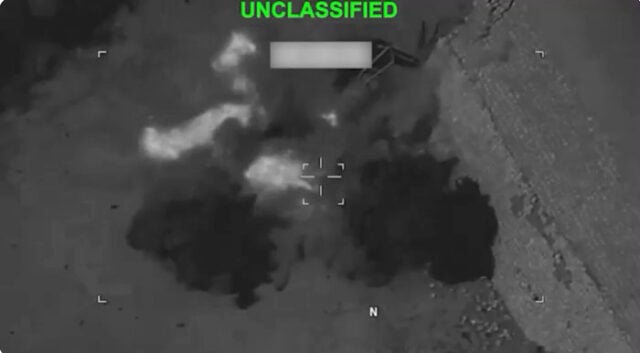
Military officials stressed that operations will continue until Iranian aggressive actions cease completely. Night sky footage showed massive explosions rocking strategic command facilities across southern target areas.
Retaliation for Dead and Injured Troops

The renewed barrage serves as direct retaliation for American military personnel killed in recent drone strikes. Defense officials confirmed that three U.S. service members have died in the ongoing regional clashes. Two service members died during a targeted drone assault on a military base in Jordan. A third service member tragically lost his life in Iraq from a controlled detonation event.

The Pentagon also revealed that nearly 100 American service members have suffered injuries since early July. Most injured personnel suffered minor concussions and traumatic brain injuries during incoming missile barrages. Chief Pentagon spokesman Sean Parnell stated that 96 percent of injured personnel have already returned to duty. Service members remain determined to complete their vital missions across the volatile region.
President Donald Trump is scheduled to attend a solemn dignified transfer ceremony at Dover Air Force Base. The ceremony honors the brave service members who made the ultimate sacrifice for their nation.
Disruption in the Strait of Hormuz
U.S. Central Command (CENTCOM) completed another round of strikes against
Iran at 9 p.m. ET, July 20.
The military campaign centers around securing the vital Strait of Hormuz chokepoint. Nearly twenty percent of global oil supplies normally transit through this narrow waterway every single day. Commercial shipping has ground to a complete standstill due to ongoing Iranian maritime strikes. Tankers have faced direct drone attacks and land-based missile strikes when attempting navigation.
A British-linked oil tanker was abandoned by its crew after being hit off the coast of Oman. Iran’s Revolutionary Guard claimed full responsibility for targeting multiple commercial ships in the region. Alternative maritime shipping corridors are also coming under growing threat from regional militia forces.
Iran-aligned Houthi rebels in Yemen announced plans to block vital Red Sea shipping routes. Saudi Arabia vowed to use swift military force to keep crucial waterways open for international commerce.
Energy Markets and Rising Crude Prices
The persistent military campaign has sent shockwaves through global energy and commodity markets. Crude oil prices soared as traders factored in high risk premiums over potential supply disruptions. International benchmark Brent crude rose past ninety dollars per barrel during recent trading sessions. Benchmark United States crude oil climbed sharply to eighty-four dollars and four cents per barrel.
Market analysts warn that continued conflict could easily push oil prices toward historic high points. Energy traders cite severe logistics challenges and rising insurance costs for commercial shipping companies. Transporting energy supplies around volatile war zones requires much longer and costlier sea routes.
Financial institutions are revising their annual energy forecasts upward to account for prolonged geopolitical instability. Escalations raise fears of long-term supply shortages if major processing facilities sustain heavy structural damage.
Impact on Gasoline Prices at the Pump
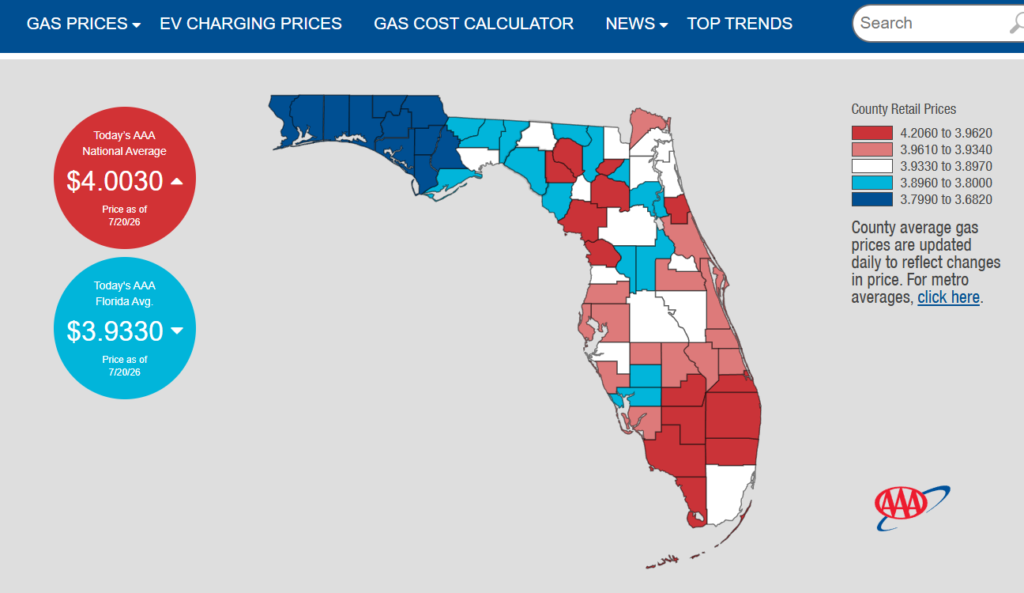 Rising crude prices are directly affecting everyday American consumers at local retail gasoline stations. The U.S. national average regular gasoline price is rapidly approaching four dollars per gallon. Motorists in West Coast states are already paying over five dollars per gallon for regular fuel. Higher pump prices threaten to increase broader inflationary pressures across the domestic American economy.
Higher fuel costs increase transportation expenses for goods, groceries, and basic consumer services. Energy analysts predict gas prices will stay elevated as long as military hostilities continue uninterrupted. Drivers are adjusting their travel habits as commuting costs rise sharply across major metro areas. Political leaders face mounting public pressure to stabilize energy costs ahead of upcoming national elections.
Stock Market and Wall Street Reaction
Stock market trading indices closed mixed as investors reacted to expanding geopolitical uncertainty. Broad equity markets experienced significant volatility during recent Wall Street trading sessions. Defense contractor shares surged as investors anticipated increased government spending on advanced security systems. Energy sector stocks outperformed broader market indices due to elevated oil revenues and tight inventory levels.
Conversely, airline and transport stocks suffered losses caused by rising jet fuel expenses. Financial analysts recommend holding diversified portfolios to hedge against sudden geopolitical market shocks. Central bank officials are closely monitoring energy spikes for potential impacts on long-term interest rate policies. Global markets remain extremely sensitive to any sudden news regarding regional ceasefire negotiations or military expansions.
Broader Regional Implications and Coalition Defense
Regional allies in the Middle East have experienced direct impacts from retaliatory Iranian missile barrages. Air defense systems in Jordan successfully intercepted multiple incoming missiles over civilian territory. Kuwait and Bahrain reported incoming drone attacks aimed at critical infrastructure and military bases. United States military bases across the region remain on maximum alert status against potential follow-up strikes.
Allied forces continue coordinating defensive operations to protect civil aviation and international trade routes. Defense Secretary Pete Hegseth reaffirmed unwavering American commitment to defending coalition forces and global freedom. Hegseth stated that the sacrifices of fallen service members stiffen American military resolve in the region.
Diplomatic Efforts Amid Escalating Hostilities
Despite ongoing military exchanges, subtle diplomatic channels remain open to prevent a full-scale regional war. Iranian diplomatic officials traveled to Pakistan to hold high-level mediation talks with neutral regional partners. International diplomats are working tirelessly to revive broken interim agreements and secure a lasting truce. However, previous temporary ceasefire arrangements crumbled after renewed attacks on maritime vessels.
Mediation efforts face tremendous obstacles as both sides maintain firm conditions for ending military strikes. World leaders urge immediate de-escalation to prevent catastrophic humanitarian and economic fallout across global markets. The coming days will determine whether diplomacy can prevail over expanding military conflict in the Middle East.
Sources and Links:
- Associated Press (AP News): AP News – Another tanker attacked in Strait of Hormuz as US strikes Iran for 10th consecutive night
- CBS News: CBS News – Iran War Updates: U.S. launches 10th night of strikes after 3 U.S. troops killed, nearly 100 injured
- PBS NewsHour: PBS NewsHour – U.S. military says it’s carrying out its 10th consecutive night of strikes on Iran
- TODAY / NBC News: TODAY – Gas Prices Jump Up to $4 Again Amid Escalating US-Iran Strikes
- Kalkine Media: Kalkine Media – Iranian Soldiers Killed in U.S. Strikes Raises Oil Market Tension
Disclaimer
Artificial Intelligence Disclosure & Legal Disclaimer
AI Content Policy.
To provide our readers with timely and comprehensive coverage, South Florida Reporter uses artificial intelligence (AI) to assist in producing certain articles and visual content.
Articles: AI may be used to assist in research, structural drafting, or data analysis. All AI-assisted text is reviewed and edited by our team to ensure accuracy and adherence to our editorial standards.
Images: Any imagery generated or significantly altered by AI is clearly marked with a disclaimer or watermark to distinguish it from traditional photography or editorial illustrations.
General Disclaimer
The information contained in South Florida Reporter is for general information purposes only.
South Florida Reporter assumes no responsibility for errors or omissions in the contents of the Service. In no event shall South Florida Reporter be liable for any special, direct, indirect, consequential, or incidental damages or any damages whatsoever, whether in an action of contract, negligence or other tort, arising out of or in connection with the use of the Service or the contents of the Service.
The Company reserves the right to make additions, deletions, or modifications to the contents of the Service at any time without prior notice. The Company does not warrant that the Service is free of viruses or other harmful components.