The rhythmic pull of the Atlantic tide creates an illusion of permanence along the coast, masking the profound geological flux occurring beneath our feet. For generations, beaches have served as psychological sanctuaries, cultural touchstones, and dense hubs of ecological biodiversity. However, modern scientific assessments paint a far more fragile picture of our shorelines. Today, researchers, urban planners, and environmental advocates are working to balance massive human recreation demands against the inevitable pressures of climate disruption, rapid erosion, and changing ecosystems.
To understand what makes a beach truly exceptional—and what it takes to preserve it—requires a deep look into the science of coastal geography. It also demands a standard of measurement that holds communities accountable for the stewardship of their natural resources.
The Master of the Shore: The Dr. Beach Evaluation System
No individual has shaped the public’s understanding of coastal quality more than Dr. Stephen P. Leatherman, a prominent coastal scientist and professor at Florida International University. Known globally by his moniker “Dr. Beach,” Leatherman has spent decades analyzing, surveying, and ranking public coastlines to release his highly anticipated annual list of America’s Best Beaches. His evaluation process is not based on simple aesthetic preferences; it relies on a strict scientific index of 50 distinct physical and environmental criteria.
“The ranking system is completely objective,” explains Dr. Beach (Stephen P. Leatherman). “We assess everything from the physical shape of the beach to the safety conditions, the cleanliness of the water, and how the local community manages its environmental footprints.”

Through his official platform, Leatherman has spent over three decades reviewing, evaluating, and rating beaches and coastal areas throughout the world. His 50 criteria are broken down into three primary categories:
- Sand and Water Quality: This tracks variables such as water temperature, water clarity, the color and texture of the sand (such as soft, crystalline quartz grains or white coral sand), and the presence of organic debris or litter.
- Safety and Management: This looks closely at wave intensity, the presence of dangerous rip currents, the availability of certified lifeguards, public safety amenities, and the level of beach crowding.
- Environmental Quality: This assesses domestic wildlife preservation (including bald eagles, ospreys, and manatees), native vegetation density, light pollution levels affecting nesting sea turtles, and overall environmental degradation.
By organizing beach quality into measurable components, Leatherman has forced local municipalities to upgrade their coastal management practices. Communities actively vie for a spot on his list, knowing that an endorsement from Dr. Beach yields significant tourism dividends while certifying their ecological stewardship.
Benchmark Environments: The 2026 Top Ten American Beaches
The practical execution of these 50 criteria is best observed in Leatherman’s official annual list of America’s premier coastlines. The selections for 2026 highlight a diverse array of geographical layouts that successfully meet his rigorous standards for safety, cleanliness, and ecological management:
- Poipu Beach, Kauai, Hawaii: Taking the number one spot, this site is actually two pocket beaches separated by a narrow sand spit known as a tombolo. An offshore island blocks heavy Pacific swells, allowing small waves to break gently over a shallow sandbar and minimize rip currents.
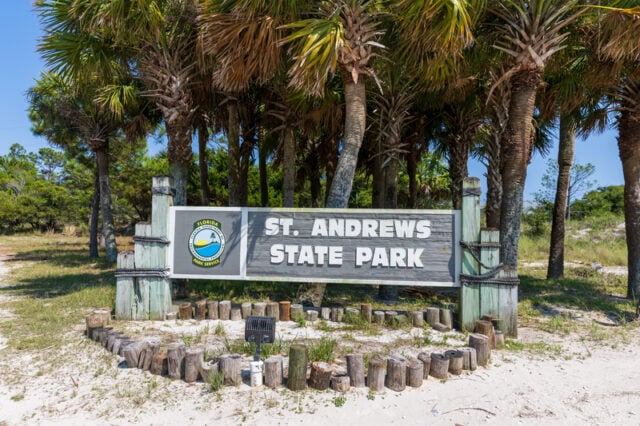
- St. Andrews State Park, Panama City, Florida: Located away from urban high-rises, this white sandy shore face provides an exceptional environment for shelling, bird watching, and swimming on both the Gulf side and St. Andrews Bay.
- Caladesi Island State Park, Dunedin/Clearwater, Florida: Accessible by boat or ferry, this coast features soft, cushioned sand made of crystalline quartz. It offers pristine water along with designated canoe and kayak trails winding through protected mangroves.
- Wailea Beach, Maui, Hawaii: Composed of five distinct pocket beaches with white coral sand, this resort-adjacent shoreline enforces a mandated public right-of-way, keeping towering infrastructure far back behind landscaped parkland.
- Main Beach, East Hampton, New York: Blending a historic 300-year-old conservation easement with wide sandy shores, this area features grainy quartz grains, towering sand dunes, and strict local bicycle infrastructure to mitigate vehicle pollution.
- Delnor-Wiggins Pass State Park, Naples, Florida: A barrier island beach boasting clear Gulf waters, extensive pine tree shade, and thriving native wildlife populations including bald eagles, ospreys, and manatees.
- Beachwalker Park, Kiawah Island, South Carolina: A nature lover’s coast south of Charleston, offering fine-grained sand beaches, tidal inlets for paddling, and a rich, un-compromised ecosystem that feeds thousands of migratory birds.
- Kaunaoa, Big Island, Hawaii: Also known as Mauna Kea Beach, this quarter-mile-long pocket beach features turquoise waters and white coral sand that contrasts sharply with surrounding black lava rock.
- Lanikai Beach, Oahu, Hawaii: A visually stunning, shallow, and calm residential beach protected by two offshore islands. It serves as an active case study in erosion, as its western end has been completely lost to residential seawalls.
- Coast Guard Beach, Cape Cod, Massachusetts: Set against striking glacial bluffs, this northern beach features cooler water temperatures and an active wildlife management strategy. Lifeguards here utilize visual warning systems to safely manage shifting populations of gray seals and great white sharks.
The Dynamic Reality of Coastal Erosion
To the casual sunbather, a beach appears to be a stable expanse of dry sand. To a coastal geologist, it is a dynamic river of sediment in perpetual motion, governed by winds, waves, and longshore currents. Shoreline structures are inherently transient, shifting in response to seasonal changes and storm events.
                  [ Coastal Dune System ]
                             │
            (Primary Defense Against Storm Surge)
                             │
              ▼              ▼              ▼
       [ High-Tide Swash Zone ]  ──►  [ Longshore Drift ]
                             │                 │
                             ▼                 ▼
                 [ Off-Shore Sandbars ]  ◄─────┘
           (Seasonal Sediment Cyclical Storage)
During calmer summer months, short, low-energy waves push sand from offshore bars back onto the exposed shoreface, widening the recreational beach area. Conversely, winter storms and tropical systems generate steep, high-energy waves that rapidly erode the upper dry beach, dragging the sediment back into deep offshore bars.
When shorelines are left undeveloped, this natural cycle functions flawlessly. The barrier island or coastal mainland simply shifts and rolls over itself, adjusting to fluctuating sea levels over generations. However, the introduction of fixed human infrastructure—such as high-rise condominiums, hotels, highways, and seawalls—disrupts this balance. When a permanent barrier is erected, the natural landward migration of the beach is blocked, trapping the sand and exposing the shoreline to severe, accelerated erosion from wave backwash. For example, Leatherman notes that parts of Lanikai Beach on Oahu have completely eroded away due to seawalls built to protect private coastal homes.
Mitigating the Loss: Nourishment vs. Hard Armoring
As valuable coastal real estate faces rising ocean pressures, engineers rely on two distinct management philosophies: hard structural armoring and soft structural nourishment.
Historically, coastal communities relied on hard structures like seawalls, revetments, groins, and jetties to defend coastal properties. While a concrete seawall can temporarily protect a building from storm surges, it ultimately accelerates the destruction of the adjacent beach. When incoming waves strike a rigid seawall, their energy is not safely absorbed; instead, it is reflected directly downward onto the sand, rapidly scouring away the beach profile and leaving no dry sand for public use.
Because of these structural downsides, modern coastal managers heavily prefer soft engineering solutions, primarily beach nourishment—the process of pumping millions of cubic yards of compatible sand from offshore borrow sites back onto an eroded beach face.
| Protection Strategy | Core Mechanism | Long-Term Ecological Impact |
| Seawalls & Revetments | Rigidly deflects incoming wave energy downward. | Destroys the public beach via localized erosion and scouring; blocks sea turtle nesting habitats. |
| Groins & Jetties | Traps longshore sand drift on the updrift side. | Starves downstream beaches of vital sand, shifting and accelerating erosion down the coast. |
| Beach Nourishment | Replaces lost sand volume using offshore borrow material. | Temporarily restores the protective dune buffer, though it requires expensive, cyclical re-applications. |
While beach nourishment is widely accepted as an effective way to protect coastal property and preserve recreational areas, it is a temporary and expensive solution. The newly placed sand remains highly vulnerable to the next major storm system, requiring communities to commit to permanent, multi-million-dollar re-nourishment cycles. Furthermore, nourishment projects must be carefully managed to ensure that the grain size, color, and mineral composition of the imported sand match those of the native shoreline, thereby protecting nesting sea turtles and fragile nearshore benthic ecosystems.
Balancing Public Access and Preservation
Beyond the complex physical science, beaches are battlegrounds for intense legal, economic, and social policy debates. One of the most persistent challenges facing modern coastlines is balancing open public access with aggressive environmental conservation.
As wild coastal spaces are steadily converted into residential developments, finding open access points to the shore has become increasingly difficult for the public. Coastal states continue to debate public vs. private property rights along the shoreline, frequently using the “mean high-water line” as the legal boundary dividing public wet sand from private upland property.
Simultaneously, heavy human foot traffic introduces unique ecological strains. Foot traffic destroys fragile sea oats and native dune vegetation, destabilizing the primary sand dunes that protect inland communities from catastrophic hurricane storm surges. Additionally, artificial lighting from coastal developments disorients nesting sea turtles and emerging hatchlings, drawing them away from the ocean toward nearby coastal roadways.
Addressing these overlapping challenges requires a collaborative approach that merges strict scientific research with forward-thinking local policy. By prioritizing native dune restoration, implementing localized dark-sky lighting ordinances, and enforcing standardized quality metrics like those championed by Dr. Beach, coastal communities can successfully protect these environments. Preserving these shorelines ensures that our beaches remain both robust natural defenses and accessible public sanctuaries for generations to come.
Sources and Links:
- Dr. Beach Official Website Source Context: Annual 2026 top ten American beach selection data, historical winners, core safety campaigns (rip currents and smoke-free beaches), and details regarding the 50-criteria environmental assessment matrix. Link: https://www.drbeach.org/
- Florida International University – Dr. Stephen P. Leatherman Coastal Laboratory Source Context: Foundational research methodology and 50-criteria parameters for assessing national beach quality and environmental standards. Link: https://coastal.fiu.edu/
- U.S. Geological Survey (USGS) – Coastal Change Hazards Portal Source Context: Historical data regarding nationwide shoreline erosion trends, longshore drift metrics, and barrier island migration patterns. Link: https://www.usgs.gov/programs/coastal-and-marine-hazards-and-resources-program
- National Oceanic and Atmospheric Administration (NOAA) – Office for Coastal Management Source Context: Technical data outlining the long-term socioeconomic and environmental impacts of beach nourishment initiatives and hard armoring across coastal states. Link: https://coast.noaa.gov/
Disclaimer
Artificial Intelligence Disclosure & Legal Disclaimer
AI Content Policy.
To provide our readers with timely and comprehensive coverage, South Florida Reporter uses artificial intelligence (AI) to assist in producing certain articles and visual content.
Articles: AI may be used to assist in research, structural drafting, or data analysis. All AI-assisted text is reviewed and edited by our team to ensure accuracy and adherence to our editorial standards.
Images: Any imagery generated or significantly altered by AI is clearly marked with a disclaimer or watermark to distinguish it from traditional photography or editorial illustrations.
General Disclaimer
The information contained in South Florida Reporter is for general information purposes only.
South Florida Reporter assumes no responsibility for errors or omissions in the contents of the Service. In no event shall South Florida Reporter be liable for any special, direct, indirect, consequential, or incidental damages or any damages whatsoever, whether in an action of contract, negligence or other tort, arising out of or in connection with the use of the Service or the contents of the Service.
The Company reserves the right to make additions, deletions, or modifications to the contents of the Service at any time without prior notice. The Company does not warrant that the Service is free of viruses or other harmful components.