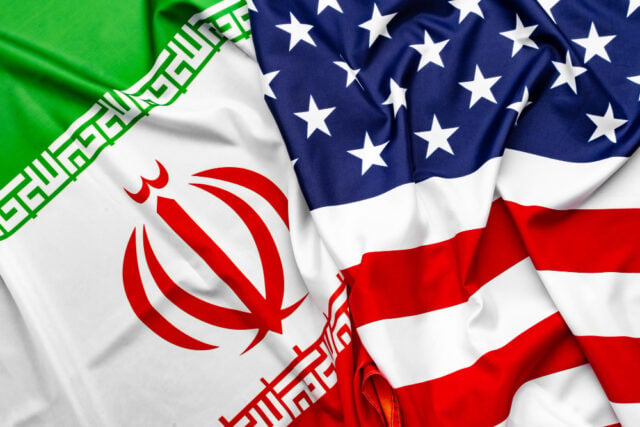
The diplomatic dance between Washington and Tehran has taken a critical turn. The two nations are navigating a highly fragile ceasefire. Iranian Foreign Minister Abbas Araghchi clarified his country’s position on state television. He stated that nuclear discussions will not happen right now. Instead, a preliminary memorandum of understanding must take effect first. This stance adds a complex layer to the ongoing regional peace efforts.
The current situation stems from a volatile conflict earlier this year. Hostilities escalated rapidly, drawing in multiple regional actors. Pakistan stepped in to mediate the crisis. A temporary ceasefire was brokered in April. President Donald Trump later extended that pause indefinitely. However, a lasting peace agreement remains highly elusive. The core disagreement centers on how to sequence the peace process.
The Interim Deal Stumbling Block
Washington and Tehran view the roadmap to peace through very different lenses. The United States wants immediate nuclear commitments from Iran. The Trump administration insists on zero uranium enrichment. This demand has been a consistent American redline. U.S. officials want to secure Iran’s nuclear material quickly. They view this as a vital step to ensure global safety.

Tehran has completely rejected these immediate nuclear demands. Foreign Minister Araghchi emphasized that the emerging deal is not a nuclear settlement. He described it purely as a political and security arrangement. Iran refuses to discuss its nuclear stockpile until this initial phase is implemented. They view the interim deal as a necessary prerequisite. Without its execution, broader talks are completely dead in the water.
“Nuclear talks with the United States will only take place at a later stage.” — Iranian Foreign Minister Abbas Araghchi
This sequencing dispute creates a significant diplomatic stalemate. The U.S. sees nuclear limits as the starting point. Iran sees them as a distant final step. Bridging this gap will require immense diplomatic skill from the mediators.
The Battle Over Waterways and Sanctions
The interim memorandum of understanding covers several non-nuclear issues. The most pressing matter is the strategic Strait of Hormuz. This narrow waterway is vital for global oil shipments. The recent conflict severely disrupted shipping traffic through the region. The U.S. had previously imposed a strict naval blockade on Iranian ports.
Iran insists the blockade must be completely lifted. Araghchi stated that the management of the strait will change forever. Iran and Oman intend to jointly oversee the waterway. Tehran promises to secure safe passage for commercial vessels. However, they will not return to the pre-war status quo. The U.S. demands a fully open and free maritime corridor.
Economic relief is another massive point of contention. Iran expects significant sanctions relief for signing the interim deal. The Iranian economy has suffered under intense international pressure. Western powers triggered “snapback” sanctions late last year. This move reinstated harsh United Nations penalties on Tehran. Iran wants these restrictions dropped immediately. They also demand the release of frozen financial assets held abroad.
Multi-Front Conflicts and regional Players
The scope of the ceasefire talks extends far beyond Iran’s borders. Tehran links the peace process to other regional battlegrounds. They want an end to fighting in Lebanon and Yemen. Iranian officials assert that ending the Lebanon war is part of the package. They expect Israeli forces to withdraw from occupied areas.
This linkage complicates the negotiations significantly. Israel is not a direct party to the U.S.-Iran memorandum. Prime Minister Benjamin Netanyahu has spoken frequently with President Trump. Netanyahu expressed support for entering these initial negotiations. However, Israel remains highly skeptical of Iran’s true intentions. Israeli officials stress that preventing a nuclear Iran is their ultimate priority.
Regional experts warn that the Middle East has entered a dangerous new phase. Ceasefires may no longer completely end wars. Instead, they simply manage ongoing low-level conflicts. Nations trade limited strikes while avoiding all-out warfare. This reality makes the current diplomatic framework incredibly fragile. Any miscalculation on the ground could shatter the peace process instantly.
Technical Hurdles and Future Timelines
Even if political terms are settled, major technical hurdles remain. A primary issue is Iran’s highly enriched uranium stockpile. Tehran believes the only solution is internal dilution. They want to process the material inside their own borders. Washington prefers the complete removal of the nuclear material from Iran. The U.S. view internal dilution as a potential non-starter.
The logistics of signing the agreement are also unique. Araghchi noted that any final deal would be signed remotely. The two sides will use digital signatures to finalize the document. This method avoids the need for a high-profile, face-to-face summit. The Iranian Foreign Minister expressed hope that this could happen soon. He indicated a signing could occur within days.
However, domestic political pressure exists on both sides. Hardliners in Tehran warn against making too many concessions. They view any retreat on enrichment as a sign of weakness. In Washington, critics demand a tougher stance on Iran’s regional proxies. President Trump has balanced threats of military force with expressions of optimism. He recently suggested an agreement could be reached very quickly.
The coming days will test the resilience of this diplomatic track. The world is watching the digital signatures closely. A successful interim deal could stabilize global energy markets. It could also provide a vital breather for a war-weary region. Yet, the road to actual nuclear negotiations remains incredibly long and uncertain.
Sources and Links:
- The House of Commons Library: US-Iran ceasefire and nuclear talks in 2026
- The Guardian: Middle East crisis live: US-Iran peace deal doubt
- The Times of Israel: Iran’s Araghchi says no nuclear talks unless interim deal is implemented
- The Times of Israel: Trump calls off strikes on Iran, claims agreement could be signed this weekend
- Wikipedia: 2026 Iran war ceasefire
- The Jerusalem Post: No nuclear talks without implementation of interim deal, Iran’s Araghchi says
- Iran International: Iran says US MoU may be signed in days as hardliners warn of retreat
- United Nations: Security Council Warned Iran Nuclear Stalemate Is Creating Oversight Vacuum
Disclaimer
Artificial Intelligence Disclosure & Legal Disclaimer
AI Content Policy.
To provide our readers with timely and comprehensive coverage, South Florida Reporter uses artificial intelligence (AI) to assist in producing certain articles and visual content.
Articles: AI may be used to assist in research, structural drafting, or data analysis. All AI-assisted text is reviewed and edited by our team to ensure accuracy and adherence to our editorial standards.
Images: Any imagery generated or significantly altered by AI is clearly marked with a disclaimer or watermark to distinguish it from traditional photography or editorial illustrations.
General Disclaimer
The information contained in South Florida Reporter is for general information purposes only.
South Florida Reporter assumes no responsibility for errors or omissions in the contents of the Service. In no event shall South Florida Reporter be liable for any special, direct, indirect, consequential, or incidental damages or any damages whatsoever, whether in an action of contract, negligence or other tort, arising out of or in connection with the use of the Service or the contents of the Service.
The Company reserves the right to make additions, deletions, or modifications to the contents of the Service at any time without prior notice. The Company does not warrant that the Service is free of viruses or other harmful components.