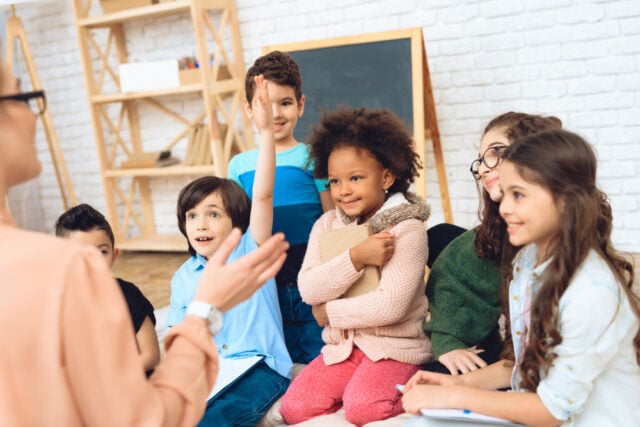
Parents often focus on academics, yet school culture plays an equally important role in early success. The environment shapes how children think, behave, and respond to daily learning experiences. A positive culture builds confidence and encourages consistent growth.
Families exploring top elementary schools should look beyond facilities and curriculum. Singapore offers structured systems, and the right culture within these spaces supports both academic progress and emotional comfort for young learners.
Culture Sets the Tone for Daily Learning
School culture defines how children experience each day. A positive tone creates a calm and focused environment. Students feel more comfortable when expectations are clear. In Singapore, many schools promote respect, discipline, and cooperation. These values guide classroom behavior and interaction. Parents should observe how students respond to routines and instructions. A consistent tone helps children stay engaged and confident. Culture shapes how children approach learning tasks and influences their willingness to participate actively.
Respect Builds Strong Student Confidence
Respect within a school environment helps children feel valued. When teachers listen and respond with patience, students develop trust. In Singapore, schools often encourage respectful communication between staff and students. This approach supports emotional security. Children who feel respected express ideas more freely. Parents can notice how students speak and interact during visits. A respectful environment builds confidence and encourages participation. This foundation supports both academic and personal development in the early years.

Discipline Creates Structured Growth
Discipline plays a key role in shaping behavior and habits. Clear rules help children understand boundaries and expectations. In Singapore, structured discipline supports consistency without pressure. Students learn to follow instructions and complete tasks. This builds responsibility and focus. Parents should check how discipline is maintained in classrooms. A balanced approach encourages positive behavior while allowing room for growth. Discipline within a supportive culture helps children develop habits that benefit them throughout their education.
Peer Interaction Shapes Social Skills
Children learn important social skills through interaction with peers. A positive culture encourages teamwork and cooperation. In Singapore, schools often include group activities that support collaboration. Students learn to share, listen, and respond respectfully. Parents should observe how children interact during a visit. Comfortable interaction reflects a healthy environment. Strong social skills help children build relationships and adapt to different situations. Peer interaction within a supportive culture supports overall development.
Teacher Approach Influences Classroom Energy
Teacher behavior plays a major role in shaping culture. A calm and supportive approach creates a positive classroom atmosphere. In Singapore, many schools focus on guided instruction rather than strict control. Teachers encourage participation and maintain clear expectations. Students respond better when guidance feels supportive. Parents should observe how teachers handle questions and challenges. A balanced approach helps maintain order while encouraging expression. The teacher’s influence sets the tone for daily interaction and learning.
Values Guide Student Behavior and Choices
School values shape how children behave and make decisions. In Singapore, many schools promote honesty, responsibility, and respect. These values are reinforced through daily activities and interactions. Children learn to apply these principles in simple situations. Parents should check how values are introduced and practiced. A strong value system supports character development. Students who understand these principles make better choices. Values within school culture help build a strong foundation for future success.
Consistency Supports Emotional Stability
Consistency in rules and routines helps children feel secure. A stable environment reduces confusion and builds trust. In Singapore, structured systems ensure that expectations remain clear across classrooms. Students feel more comfortable when routines stay predictable. Parents should notice how smoothly activities transition during the day. Consistency supports emotional balance and reduces stress. Children who feel stable respond better to learning tasks. A consistent culture creates a positive space for growth.
Community Feeling Enhances Belonging
A strong sense of community helps children feel connected. In Singapore, schools often promote inclusion and teamwork. Students feel part of a group rather than isolated individuals. This sense of belonging improves confidence and participation. Parents should observe how students engage in group activities. A connected environment supports both social and academic growth. Many families explore Elementary Schools In Singapore to find campuses that offer this sense of community. A supportive atmosphere strengthens overall development.
School culture plays a vital role in shaping early success. With top elementary schools, families in Singapore can find environments that support both academic and emotional growth. Singapore continues to provide structured systems where culture guides behavior and learning. These early experiences influence how children approach education in the future. A positive school culture builds confidence, supports development, and creates a strong foundation for long-term success.
Disclaimer
Artificial Intelligence Disclosure & Legal Disclaimer
AI Content Policy.
To provide our readers with timely and comprehensive coverage, South Florida Reporter uses artificial intelligence (AI) to assist in producing certain articles and visual content.
Articles: AI may be used to assist in research, structural drafting, or data analysis. All AI-assisted text is reviewed and edited by our team to ensure accuracy and adherence to our editorial standards.
Images: Any imagery generated or significantly altered by AI is clearly marked with a disclaimer or watermark to distinguish it from traditional photography or editorial illustrations.
General Disclaimer
The information contained in South Florida Reporter is for general information purposes only.
South Florida Reporter assumes no responsibility for errors or omissions in the contents of the Service. In no event shall South Florida Reporter be liable for any special, direct, indirect, consequential, or incidental damages or any damages whatsoever, whether in an action of contract, negligence or other tort, arising out of or in connection with the use of the Service or the contents of the Service.
The Company reserves the right to make additions, deletions, or modifications to the contents of the Service at any time without prior notice. The Company does not warrant that the Service is free of viruses or other harmful components.