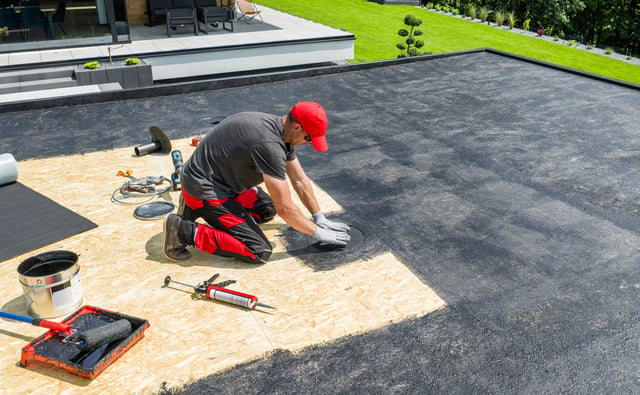
Flat roofs have grown in popularity in recent years, challenging outdated notions about their durability and practicality. Modern flat roof designs combine innovative materials, installation methods, and a host of functional benefits that cater to contemporary needs. They are now a popular choice for both urban commercial spaces and residential homes, thanks to their sleek appearance, versatility, and cost-efficiency.
Advances in waterproofing and insulation have addressed many of the concerns that once discouraged homeowners and builders from considering flat roofs. With proper maintenance and thoughtful design choices, Sarasota resident Randy Finch says that flat roofs can provide reliable, long-lasting performance while supporting energy efficiency and environmental initiatives.
Understanding Flat Roof Designs
Many people think flat roofs are perfectly level, but they actually have a slight pitch to direct water toward drains. This subtle angle helps prevent standing water, which can lead to damage and leaks. In cities, commercial buildings and modern homes often use flat roofs because they work well with the overall structure and efficiently manage water. Misunderstandings about flat roofs often stem from not recognizing how this design detail enhances their functionality and reliability. In some regions, building codes even specify the minimum slope required for flat roofs.
Modern Materials and Installation
Today’s flat roofs benefit from advanced materials such as modified bitumen, TPO, and EPDM membranes, engineered to withstand extreme weather and resist wear. These innovations have dramatically improved the lifespan and resilience of flat roof systems. Careful installation by experienced professionals is critical, as attention to detail ensures seams are properly sealed, and drainage paths remain clear, reducing the chance of future issues. Many architects now favor flat roofs for their ability to pair modern aesthetics with dependable performance.

Dispelling Leak Concerns
Flat roofs once had a reputation for leaks, but that problem is largely outdated with modern technology and better construction standards. Regular maintenance, such as clearing drains of debris and inspecting for surface damage, can significantly extend the life of a flat roof and prevent water intrusion. In climates with heavy rainfall, building codes often require enhanced waterproofing layers, further minimizing risk. Homeowners and builders who prioritize routine inspections rarely encounter the persistent leak issues that once plagued these roofs. With today’s synthetic membranes and improved flashing techniques, water infiltration is less of a threat than ever before.
Practical Benefits of Flat Roofs
Flat roofs often make construction more straightforward and affordable, as they require fewer materials and less labor than pitched roofs. Many urban buildings take advantage of this simplicity, transforming rooftops into gardens, patios, or even outdoor lounges. The flat surface also allows for easy placement of HVAC units and other equipment, keeping mechanical elements out of sight and freeing up ground space. Additionally, the ease of access makes routine maintenance and emergency repairs much simpler for property owners and service crews.
Energy and Environmental Advantages
A flat roof offers a perfect foundation for solar panels, maximizing sun exposure and making installation easier. Some property owners create living roofs, adding layers of soil and vegetation to boost insulation and manage stormwater naturally. Enhanced insulation options available today help keep buildings cooler in summer and warmer in winter, contributing to lower energy bills and a smaller environmental footprint. With sustainable roofing choices becoming more popular, flat roofs offer opportunities to incorporate rainwater-harvesting systems or cool roof coatings that further reduce energy consumption.
Key Considerations for Homeowners
Routine inspections are vital to maintaining a flat roof’s condition, especially after severe weather. Selecting the right materials and understanding local climate requirements can make a difference in performance and lifespan. Anyone considering a flat roof should weigh its versatility and maintenance needs against the unique demands of their property to ensure it’s the right fit for their goals. Consulting with experienced roofing professionals and considering long-term maintenance plans can help homeowners get the most from their investment.
Disclaimer
Artificial Intelligence Disclosure & Legal Disclaimer
AI Content Policy.
To provide our readers with timely and comprehensive coverage, South Florida Reporter uses artificial intelligence (AI) to assist in producing certain articles and visual content.
Articles: AI may be used to assist in research, structural drafting, or data analysis. All AI-assisted text is reviewed and edited by our team to ensure accuracy and adherence to our editorial standards.
Images: Any imagery generated or significantly altered by AI is clearly marked with a disclaimer or watermark to distinguish it from traditional photography or editorial illustrations.
General Disclaimer
The information contained in South Florida Reporter is for general information purposes only.
South Florida Reporter assumes no responsibility for errors or omissions in the contents of the Service. In no event shall South Florida Reporter be liable for any special, direct, indirect, consequential, or incidental damages or any damages whatsoever, whether in an action of contract, negligence or other tort, arising out of or in connection with the use of the Service or the contents of the Service.
The Company reserves the right to make additions, deletions, or modifications to the contents of the Service at any time without prior notice. The Company does not warrant that the Service is free of viruses or other harmful components.