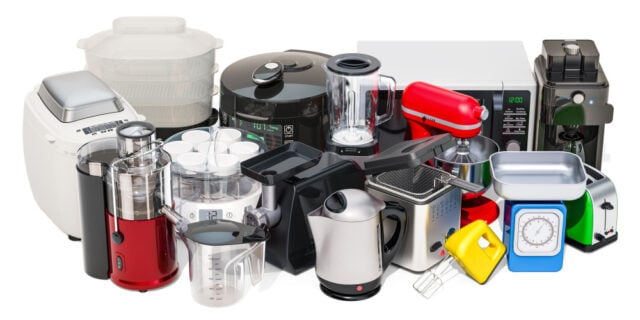
Many expensive home repairs begin with a seemingly easy task. A faint squeal from the dryer. A fridge that seems to run all night. A dishwasher that “mostly” cleans, unless it’s a pasta night. Nothing dramatic, nothing that forces a same-day fix.
Then the small issue starts charging rent. Higher utility bills, wasted groceries, water damage that shows up late, and a repair that could’ve been quick but now isn’t. If the household is in North Texas, where appliances already work overtime during long, hot stretches, lining up reliable appliance repair in Dallas, Texas, early can save real money, not just inconvenience.
This isn’t about being precious with appliances. It’s about understanding how they fail. They almost never fail all at once.
The “it still works” myth
Homeowners rarely ignore appliances out of laziness. It’s usually optimism. The machine turns on, the cycle finishes, the food feels cold enough. So it gets pushed down the list.

But “still works” can mean “still running while wearing itself out.”
Appliances are built around routines. When the routine changes, something is off. Longer drying times. A washer that suddenly shakes. A fridge that cycles differently. Those are not personality quirks. They’re early warnings.
And early warnings are cheaper than late ones.
Where the money goes, quietly
The most frustrating costs are those that don’t look like bills. They show up as small leaks in the budget and recurring losses.
Electricity: the slow bleed
A refrigerator that can’t hold temp will run longer. A freezer with a weak seal will fight warm air all day. A dryer with poor airflow will heat and heat and heat. The appliance doesn’t politely give up. It keeps trying, and the meter keeps spinning.
Some signs that a machine is burning extra power without announcing it:
- Cycles take longer than they used to
- The unit feels hotter on the outside
- Motors run more often, or seem to never stop
- Performance is inconsistent, especially on warm days
Water: the waste nobody notices until it’s obvious
Dishwashers and washers can waste water in two ways. One is visible, like a leak. The other is sneakier: extra cycles. Rewashing loads. Running the dishwasher twice because the first run didn’t cut it. That’s not just water. It’s detergent, time, and wear on the machine.
Food: the hidden grocery bill
A fridge that’s slightly warm can still feel “fine.” Milk doesn’t instantly sour. Meat doesn’t immediately smell. But food shelf life shrinks, and the trash can starts eating groceries.
Freezers are worse. A minor cooling problem can lead to partial thawing and refreezing, which can damage texture and raise food safety concerns. Nobody likes playing detective with frozen chicken.
The nuisance-to-hazard pipeline
Some appliance problems are expensive. Others are dangerous. The annoying part is that they can look the same at first.
Dryers: heat plus lint is not a cute combo
A dryer that’s taking forever is often a dryer that can’t vent properly. Lint buildup, crushed ducting, or a blocked exterior flap turns the unit into a heat trap.
Red flags that deserve immediate attention:
- Hot, “toasty” laundry room even on short cycles
- Burning smell or hot-metal smell
- Dryer shuts off mid-cycle, then restarts later
- Clothes feel scorching when removed
Even if the machine keeps running, it’s not a win. It’s a warning.
Dishwashers and washers: the slow leak that ruins floors
Leaks don’t always show up as a puddle in the open. Water can collect under the dishwasher, under the washer, or behind cabinetry. It can seep into baseboards and subflooring long before anyone sees it.
By the time the damage is visible, it’s often no longer just an appliance repair. It’s flooring, drywall, swollen cabinets, maybe mold. That’s where the “small” problem becomes a real budget issue.
Electrical problems: never “wait and see”
If an appliance trips breakers, sparks, smells like burnt plastic, or causes lights to flicker, that’s not a monitor-it situation. That’s stop-using-it territory. Electrical issues don’t improve with patience.
Why small parts matter more than people think
Appliances are full of sacrificial parts. Not officially called that, but that’s basically what they are. Belts, rollers, seals, hoses, filters. They wear out first so the big-ticket components don’t take the hit.
When those smaller parts get ignored, the expensive parts start carrying the load.
A few common examples seen in everyday homes:
Refrigerators: a fan problem can become a compressor problem
A noisy fan can seem like minor irritation, especially if the fridge is still cold. But poor airflow makes the system work harder. Over time, that extra strain can shorten compressor life. Compressor repairs are where people start looking at new refrigerators.
Washers: vibration isn’t just annoying
A washer that bangs around can be unlevel, overloaded, or dealing with worn suspension. If it keeps slamming through spin cycles, bearings and tub components can wear faster. That repair path gets expensive quickly.
Dishwashers: “not cleaning great” can mean “about to fail”
Cloudy glasses, gritty dishes, or soap not dissolving can be early signs of circulation issues, clogged filters, or a weakening pump. Run it like that long enough and the motor can burn out. Then the math changes.
The time cost is real, even if nobody tracks it
Appliance problems steal time in a way that feels petty until it piles up.
A dryer that needs two cycles. A dishwasher that requires pre-rinsing every plate like it’s 1997. A washer that leaves clothes too wet so they need extra drying. None of that is a catastrophe. It’s just a constant drag on the day.
And when the appliance finally quits, it tends to do it at the worst possible moment. Right before travel. During a busy week. On a weekend when parts and appointments are harder to land. That’s not superstition. That’s just how postponement works.
A quick “catch it early” checklist
No one wants to obsess over machines. Fair. But appliances are repetitive, which makes changes easier to spot than people think. A basic check every couple of months can prevent a lot of nonsense.
Here’s what tends to matter:
- Refrigerator: steady temps, clean seals, no new buzzing or clicking
- Freezer: no heavy frost buildup, ice stays solid, door closes firmly
- Dryer: normal drying time, strong airflow outside, no burning smell
- Washer: no new shaking, no damp smells, no slow draining
- Dishwasher: no standing water, no sour odor, filter not packed with gunk
If one of these shifts, it’s usually not “just because.” Appliances don’t evolve. They degrade.
DIY vs. calling someone: a practical line
Some maintenance is absolutely homeowner territory. Other tasks look simple online and turn into a mess in a tight laundry closet with sharp edges and a stuck hose.
Safe, sensible DIY steps
Cleaning and basic checks go a long way:
- Clean the dryer lint trap every load and check vent airflow monthly.
- Rinse the dishwasher filter and clear debris from the drain area.
- Vacuum accessible refrigerator coils if the unit design allows it.
- Make sure the washer is level and not chronically overloaded.
- Check hoses and replace any that are cracked, stiff, or bulging.
When it’s time to stop experimenting
Call for service when there’s:
- Repeated breaker trips or an electrical smell
- Water under or behind the appliance
- Grinding, screeching, or loud banging that’s new
- Cooling failure, heating failure, or error codes that keep returning
- Evidence of overheating, like scorched plugs or unusually hot panels
DIY is useful. DIY plus misdiagnosis is where costs climb.
What “waiting” really does to repair costs
Here’s the part most people don’t factor in: waiting doesn’t just delay the repair. Waiting often changes the repair.
A simple seal becomes a water-damaged cabinet base. A worn dryer roller becomes a motor problem. A clogged vent becomes a heating failure. A slightly warm fridge leads to spoiled groceries and a stressed compressor.
There’s also the scheduling reality. When an appliance still runs, service can be planned. When it’s dead, the household is under pressure and decisions get rushed. That’s when people overpay, settle for a quick replacement, or pick a questionable fix because it’s available now.
The bottom line
Small appliance problems are rarely small in the long run. They spread into higher bills, damaged materials, safety risks, wasted food, and repairs that become more invasive the longer they’re ignored.
The smart move isn’t dramatic. It’s noticing patterns, taking the easy maintenance wins, and getting help when the appliance starts acting differently. That’s how a home avoids paying the “hidden cost” in the least fun way possible: all at once.
Disclaimer
Artificial Intelligence Disclosure & Legal Disclaimer
AI Content Policy.
To provide our readers with timely and comprehensive coverage, South Florida Reporter uses artificial intelligence (AI) to assist in producing certain articles and visual content.
Articles: AI may be used to assist in research, structural drafting, or data analysis. All AI-assisted text is reviewed and edited by our team to ensure accuracy and adherence to our editorial standards.
Images: Any imagery generated or significantly altered by AI is clearly marked with a disclaimer or watermark to distinguish it from traditional photography or editorial illustrations.
General Disclaimer
The information contained in South Florida Reporter is for general information purposes only.
South Florida Reporter assumes no responsibility for errors or omissions in the contents of the Service. In no event shall South Florida Reporter be liable for any special, direct, indirect, consequential, or incidental damages or any damages whatsoever, whether in an action of contract, negligence or other tort, arising out of or in connection with the use of the Service or the contents of the Service.
The Company reserves the right to make additions, deletions, or modifications to the contents of the Service at any time without prior notice. The Company does not warrant that the Service is free of viruses or other harmful components.