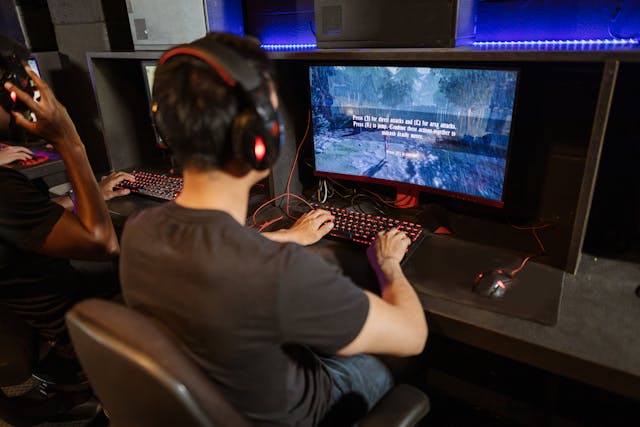
Digital entertainment in North America has changed rapidly over the past few years. People are no longer limited to watching television or playing a single game on a console. Entertainment now moves fluidly between streaming platforms, social media feeds, mobile games, and interactive online experiences.
Smartphones have turned spare moments into opportunities for entertainment, while shared culture and digital platforms allow trends to travel quickly between the United States and Canada.
These shifts matter because they influence how people spend their free time, how platforms compete for attention, and how digital services design their offerings. Understanding modern entertainment habits is not about chasing short-lived trends. It is about recognizing how everyday behavior around content, gaming, and media consumption is evolving across North America.
Online Entertainment Across Borders: Gaming, Streaming, and Play
Online entertainment is no longer constrained by national borders. This is especially visible in how people game, stream content, and explore digital platforms across the U.S. and Canada.

Online casino games, in particular, have seen steady growth as platforms expand internationally and users become more aware of options beyond their home markets.
Preferences vary slightly by region. U.S. audiences tend to favor variety, faster pacing, and a wider mix of game styles. Ontario’s online casinos across the border, on the other hand, are often inspired by national sports and cater to players looking for clear structure, transparent rules, and mobile compatibility.
Regardless, both groups value convenience and a polished design.
The Rise of Mobile-First Entertainment
Mobile devices have become the primary hub for digital entertainment across North America. With most internet access now occurring on smartphones, many users prefer mobile screens over desktops or televisions for video, social content, and gaming.
Casual mobile games and short-form video content fit naturally into busy routines. Quick gaming sessions and brief video clips let users enjoy entertainment during commutes, breaks, or downtime without committing to longer formats.
Usage patterns still differ by age group. Younger users, particularly Gen Z, spend a significant portion of their day on smartphones engaging with apps, games, and video platforms. Adults rely heavily on mobile entertainment as well, though they often divide their screen time between work-related tasks and leisure. Older users continue to adopt mobile platforms, typically favoring browsing, messaging, and lighter entertainment over intensive gaming or streaming.
This shift toward mobile-first entertainment highlights how digital content has become more personal and immediate. Entertainment is no longer tied to a specific place or schedule. It travels with the user.
Streaming Culture and On-Demand Expectations
Streaming has fundamentally reshaped how people consume video content. Viewers no longer expect to wait for scheduled programming. On-demand access has become the standard, with platforms like Netflix and Disney+ setting expectations around flexibility and choice.
This convenience has made streaming the dominant form of video consumption, steadily overtaking traditional broadcast television. Viewers choose what to watch and when to watch it, often across multiple devices.
Streaming platforms also operate without traditional geographic limitations. A series that gains popularity in the U.S. can quickly attract viewers in Canada and beyond. Live sports, documentaries, and exclusive releases are increasingly available across borders, giving audiences more choice and exposure to international content.
Another defining feature of modern streaming is binge viewing. Entire seasons are often released at once, allowing viewers to set their own pace. Personalized recommendation systems further influence viewing habits by guiding users toward content aligned with their preferences. Over time, these systems shape not only what people watch but also how long they stay engaged with a platform.
Gaming as a Mainstream Lifestyle Choice
Online gaming has evolved far beyond a niche hobby. It has become a mainstream form of entertainment that millions of people engage with daily. Improvements in internet infrastructure, mobile technology, and multiplayer design have helped expand gaming to a wider audience.
Gaming communities now function as social spaces where players communicate, collaborate, and compete. Multiplayer games and online platforms allow users to form relationships and shared experiences that extend beyond the game itself. For many players, gaming is as much about social interaction as it is about gameplay.
At the same time, some digital games incorporate monetization features that resemble gambling mechanics, such as microtransactions, loot-based rewards, and competitive wagering. These overlaps are typically mechanical rather than financial, but they influence how users perceive risk, reward, and engagement within digital entertainment environments.
Together, these developments show how gaming has become deeply integrated into daily routines, social lives, and broader digital culture.
Social Media as Entertainment, Not Just Connection
Social media platforms have shifted from tools for communication to major entertainment destinations. Instagram, TikTok, and YouTube now serve as primary sources of video content, trends, and creator-driven entertainment.
Users spend significant time watching short videos, live streams, and interactive content rather than simply scrolling through updates. Influencers and creators play a central role by producing regular content that feels personal and immediate, from gaming streams to lifestyle videos and commentary.
Social platforms also accelerate the spread of trends across borders. A video or challenge originating in the U.S. can gain traction in Canada within hours due to algorithmic recommendations and global sharing. This rapid circulation has made social media one of the most influential forces shaping modern entertainment habits.
The Subscription Explosion and What It Means for Consumers
Subscription-based services now form the backbone of digital entertainment in North America. Many users maintain multiple subscriptions for streaming video, music, and gaming services, replacing traditional cable packages with flexible digital options.
This model gives consumers greater control but also requires more deliberate decision-making. Exclusive content drives competition among platforms, encouraging users to subscribe to multiple services to avoid missing popular releases.
From an industry perspective, subscription growth reflects both high demand and increasing fragmentation. Consumers gain access to more content, but they must also manage costs and prioritize which platforms best match their viewing and gaming habits.
The result is a crowded entertainment landscape where competition pushes platforms to innovate while users become more selective about how they spend their time and money.
Social Platforms as Full Entertainment Ecosystems
Major social media platforms increasingly function as full entertainment ecosystems. In the U.S., a large proportion of adults regularly use YouTube and Facebook, while TikTok continues to expand its reach across age groups.
Short-form video, live broadcasts, and creator-led series now compete directly with traditional television and streaming productions. Content consumption on social platforms is highly interactive, encouraging likes, comments, and shares that deepen user engagement.
For younger audiences in particular, social apps often serve as the first stop for entertainment, news, and cultural discovery. This shift challenges traditional media models and pushes creators to adapt to formats driven by immediacy, engagement, and shareability rather than long-form scheduling.
Personalization and Algorithms Shape What We Watch and Play
Digital platforms increasingly rely on algorithms to guide what users watch and play. Recommendation systems personalize content feeds, highlight suggested videos, and surface new games based on past behavior.
Streaming platforms account for a growing share of total viewing time in part because personalized discovery reduces friction. Users are more likely to continue watching or playing when the next suggestion feels relevant and appealing.
This shift places greater emphasis on algorithmic visibility rather than traditional marketing or reviews. Content success is often determined by how well it aligns with platform recommendation systems, shaping both user behavior and creative strategies.
As these systems evolve, they will continue to influence not just what content gains attention, but how audiences navigate entertainment choices.
The Rise of Interactive and Immersive Entertainment
Digital entertainment is becoming increasingly interactive. Users no longer want to passively consume content. They want to participate, respond, and engage with others in real time.
Interactive live streams, multiplayer games, augmented reality filters, and community-driven platforms encourage two-way experiences. These formats allow audiences to influence outcomes, connect with creators, and feel part of a shared experience.
This shift reflects broader expectations around digital participation. Entertainment is no longer something consumed alone. It is often experienced collectively through chats, reactions, and shared digital spaces.
As platforms experiment with new interactive formats, the boundaries between gaming, social media, and entertainment continue to blur.
Entertainment Without Borders
Digital entertainment in North America is faster, more mobile, and more interconnected than ever. Streaming, gaming, and social platforms increasingly operate across borders, blending habits and preferences between the U.S. and Canada.
While platforms and technologies will continue to change, one underlying pattern remains consistent. People gravitate toward flexible, engaging experiences that adapt to their lives rather than forcing rigid schedules or formats. As digital entertainment continues to evolve, cross-border influence and user-driven choice will play an even greater role in shaping what people watch, play, and share.
Disclaimer
Artificial Intelligence Disclosure & Legal Disclaimer
AI Content Policy.
To provide our readers with timely and comprehensive coverage, South Florida Reporter uses artificial intelligence (AI) to assist in producing certain articles and visual content.
Articles: AI may be used to assist in research, structural drafting, or data analysis. All AI-assisted text is reviewed and edited by our team to ensure accuracy and adherence to our editorial standards.
Images: Any imagery generated or significantly altered by AI is clearly marked with a disclaimer or watermark to distinguish it from traditional photography or editorial illustrations.
General Disclaimer
The information contained in South Florida Reporter is for general information purposes only.
South Florida Reporter assumes no responsibility for errors or omissions in the contents of the Service. In no event shall South Florida Reporter be liable for any special, direct, indirect, consequential, or incidental damages or any damages whatsoever, whether in an action of contract, negligence or other tort, arising out of or in connection with the use of the Service or the contents of the Service.
The Company reserves the right to make additions, deletions, or modifications to the contents of the Service at any time without prior notice. The Company does not warrant that the Service is free of viruses or other harmful components.