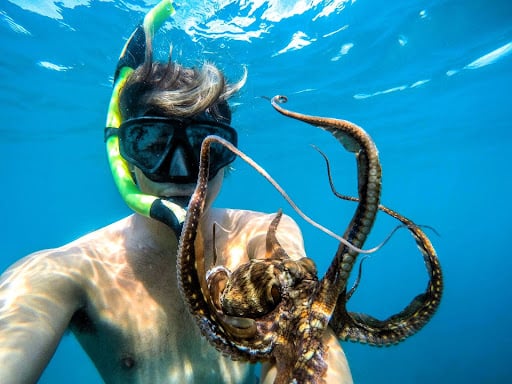
From Texas to Florida, the Gulf Coast offers a range of snorkeling destinations perfect for both newcomers and seasoned adventurers. Known for its warm waters and gentle surf, the region features a mix of natural habitats and artificial reefs teeming with life.
Calm conditions and clear water are most common in late spring through early fall, making this the ideal time to explore. Each location boasts its own unique underwater environment, from the emerald waters of the Florida Panhandle to the hypersaline shallows of Laguna Madre in South Texas.
As an enthusiast, Nick Hallahan knows that whether you’re looking for family-friendly spots, historic wrecks, or vibrant coral structures, the Gulf Coast has something to offer. With proper gear, awareness of local conditions, and a sense of adventure, snorkelers can enjoy a wide variety of marine life in both the Gulf and its protected inlets.
The following highlights top snorkeling locations and tips to make the most of your underwater excursions.

Exploring Snorkeling on the Gulf Coast
Stretching from the sandy shores of Texas to the emerald waters of Florida’s panhandle, the Gulf Coast offers a range of snorkeling experiences suited to all skill levels. The region is known for its generally calm surf and warm temperatures, making it inviting for those looking to explore coastal marine life.
Snorkelers are drawn to the Gulf for its reefs, rock jetties, and protected bays where sea creatures thrive. Locations along this coast often feature man-made and natural habitats that shelter fish, stingrays, and even the occasional sea turtle. Some areas also provide educational signage near popular reefs, giving visitors insights about the marine species they may encounter. In many areas, visibility improves during late spring through early fall, especially when winds are low and the water is calm.
Snorkeling Highlights in Northwest Florida
The emerald-green waters around Destin and Pensacola are among the most inviting along the Gulf Coast. Destin, often called the “world’s luckiest fishing village,” is also well-known among snorkelers for its artificial reefs and protected coves. Henderson Beach State Park and Norriego Point offer easy access to calm, shallow waters teeming with colorful reef fish. These areas also benefit from local conservation efforts that help maintain healthy reef ecosystems.
In Pensacola, Park East Snorkel Reef lies just offshore, attracting schools of snapper, flounder, and the occasional octopus. Fort Pickens, located within the Gulf Islands National Seashore, features historical surroundings with a vibrant underwater ecosystem nearby. These locations are popular with both beginners and experienced snorkelers, thanks to good visibility and a variety of marine life.
During the summer months, the water is typically warm and clear, especially on calm, sunny days. Many locals and visitors alike take advantage of the reliable conditions to explore the reefs in the morning before the afternoon winds pick up.
Coastal Alabama Snorkeling Areas
Alabama’s Gulf Coast may be smaller in size, but it offers some memorable snorkeling spots. Gulf Shores and Orange Beach feature man-made reefs and natural wrecks that have become habitats for an array of sea life. The Whiskey Wreck, located just offshore from Bahama Bob’s Beach, is a shallow shipwreck that’s easy to reach and ideal for confident swimmers. It becomes especially active with marine life during summer spawning seasons.
Perdido Pass is another local favorite, where clear water flows in from the Gulf and meets the bayside channels. Visibility can be excellent when the tides are right, and it’s not unusual to spot hermit crabs, sea urchins, and schools of baitfish weaving through the rocks. Some snorkelers have even reported glimpses of dolphins just beyond the entry points.
Snorkeling Opportunities in South Texas
South Padre Island continues to grow in popularity as a coastal getaway, and its snorkeling opportunities are part of the appeal. Isla Blanca Park, located at the southern tip of the island, offers access to clear waters where tropical fish dart around submerged rocks and sea grasses sway in the currents. The area’s warm Gulf waters are inviting nearly year-round. Schools of mullet and juvenile jacks are a common sight around the jetties.
Laguna Madre, on the bay side of the island, supports a different kind of underwater scene. Here, the shallow, hypersaline lagoon is home to species unique to the region, including juvenile fish and bottom-dwelling creatures. Calm mornings make it easier to spot stingrays gliding just beneath the surface. Birdwatchers also find the area rewarding due to its proximity to migratory bird routes.
Access to these spots is generally straightforward, with many public beaches and rental shops nearby. Local guides often recommend checking tide charts to catch the clearest conditions, especially during late spring and early autumn. Early morning outings also reduce the likelihood of encountering strong currents or large crowds.
Family-Friendly Snorkeling at St. Andrews State Park
Tucked between the Gulf of Mexico and Grand Lagoon, St. Andrews State Park in Panama City Beach is a favorite for families and beginners. The jetties create a protected swim area where the water tends to remain calm, even on breezy days. Young snorkelers often delight in spotting sergeant majors, small wrasses, and the occasional puffer fish darting among the rocks. Even sea cucumbers and small anemones can be seen clinging to the submerged surfaces.
The park also provides convenient amenities, making it easy to spend a full day exploring both above and below the surface. Lifeguards, restrooms, and shaded picnic areas add to the appeal, especially when traveling with children.
Preparing for a Snorkeling Trip Along the Gulf
Before heading out, it’s worth investing time in checking local conditions such as surf forecasts, water clarity, and jellyfish advisories. Conditions can shift quickly along the Gulf Coast, especially during hurricane season. Lightweight snorkeling gear such as a dry-top snorkel and flexible fins are often recommended for comfort and safety. It’s also smart to bring a mesh bag for collecting any trash you come across to help keep the waters clean.
Respecting marine habitats is essential. Avoid touching coral or stirring up sediment, which can damage fragile ecosystems. Many Gulf Coast communities have launched reef preservation initiatives, encouraging visitors to explore sustainably while supporting local conservation efforts. Educational signage and volunteer programs help spread awareness about protecting the underwater environment.
Booking a guided tour or renting from a local dive shop can enhance the experience, especially for those unfamiliar with the area. These services often provide helpful tips, safety briefings, and updates on the best spots to explore based on current conditions.
Disclaimer
Artificial Intelligence Disclosure & Legal Disclaimer
AI Content Policy.
To provide our readers with timely and comprehensive coverage, South Florida Reporter uses artificial intelligence (AI) to assist in producing certain articles and visual content.
Articles: AI may be used to assist in research, structural drafting, or data analysis. All AI-assisted text is reviewed and edited by our team to ensure accuracy and adherence to our editorial standards.
Images: Any imagery generated or significantly altered by AI is clearly marked with a disclaimer or watermark to distinguish it from traditional photography or editorial illustrations.
General Disclaimer
The information contained in South Florida Reporter is for general information purposes only.
South Florida Reporter assumes no responsibility for errors or omissions in the contents of the Service. In no event shall South Florida Reporter be liable for any special, direct, indirect, consequential, or incidental damages or any damages whatsoever, whether in an action of contract, negligence or other tort, arising out of or in connection with the use of the Service or the contents of the Service.
The Company reserves the right to make additions, deletions, or modifications to the contents of the Service at any time without prior notice. The Company does not warrant that the Service is free of viruses or other harmful components.