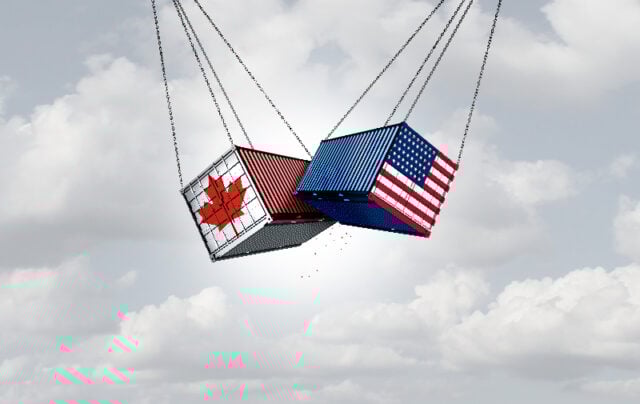
Jane was all excited about selling her handmade soaps to the US. She’d seen some online articles about easy cross-border shipping and thought it’d be a breeze. But after her first batch got stuck at the border for weeks, she called in a panic. Turns out, missing a simple customs form cost her $300 in delays and fees. It’s stories like that which remind how tricky US-Canada shipping can be for DTC brands.
With Shopify reporting a huge jump in international orders lately, more folks are jumping in, but without knowing cross-border Canada US tax planning basics, it can turn into a headache. In this piece, we’ll share what we’ve learned from helping e-commerce businesses, pulling in tips from CBSA, CBP, and even some Harvard Business Review insights on global trade. We’ll dive into regs, costs, carriers, and pitfalls, so you can ship smarter.
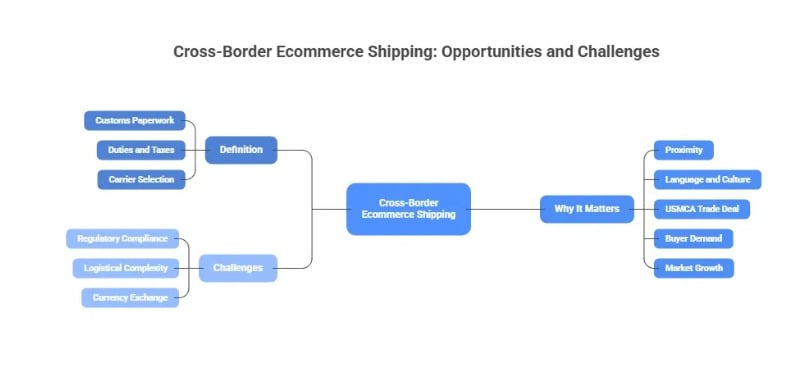
Shipping across the border isn’t just about boxes and trucks—it’s about knowing the rules inside out. The USMCA agreement sets the framework, with de minimis limits meaning stuff under $800 CAD or USD is duty-free, though taxes still kick in. CBSA wants full docs for bigger shipments, like invoices and origins, or you risk holds. I’ve seen clients lose weeks on this, so always double-check before sending.
The Basics of Cross-Border Shipping Regulations
Trade rules are the backbone here. The USMCA covers everything from tariffs to paperwork, and for online sellers, those low-value thresholds are a big help. But CBSA doesn’t play around with details—miss an HS code, and boom, delays.

Stick to the basics: File electronically, track digitally, and separate your records. It’s saved my clients countless headaches.
 Navigating Duties, Taxes, and Customs for E-commerce
Duties depend on what you’re shipping—clothes might hit 10-20%, tech more. US often skips duties on Canadian goods, but state sales tax adds up. Canada slaps GST/HST, with some breaks for exports. Use calculators to get it right.
Bonded storage helps defer costs, and watch the exchange rates—they can sneak in extra 2-5%. For big volumes, a broker is worth it to cut errors.
Selecting Shipping Methods and Carriers
Picking the right shipper saves money and time. Ground works for heavy stuff, air for quick needs. E-commerce pros like Canada Post or UPS bundle tracking and coverage. A beauty brand sped up delivery by switching services, boosting satisfaction.
Shop around with apps, negotiate bulk deals, and match carriers to your items—fragile goods need care. An expert bookkeeper can help you in this process a lot.
Packaging and Labeling Best Practices
Packaging makes or breaks a shipment. Strong boxes, padding, and clear labels are musts, plus HS codes and values. Hazard rules apply for tricky items. Going green not only helps the planet but can snag incentives. One supplement maker cut damages by 40% with better packs, and buyers loved the eco-angle.
Always test runs to catch issues early.
Handling Risks, Insurance, and Returns
International shipping has its dangers—loss, damage, currency swings. Insurance starts cheap but is key; track everything and hedge rates. Returns under USMCA can be duty-free if handled right. A jewelry client avoided a big loss with good policies.
Document like your business depends on it, because it does.
 Retail Accounting in E-commerce: Tracking Costs and Profits
Online retail needs smart accounting to keep up. For shipping, log duties as costs, split revenues by region, and use software for GST/HST accuracy. Retail accounting and bookkeeping here means watching every fee to boost profits. A QuickBooks user saw shipping eat 25% of margins, leading to better deals.
Multi-currency tools like Xero make it all smoother for DTC ops.
Leveraging Technology for Efficiency
Tech can simplify everything. Rate shoppers, paperwork apps, and calculators integrate well. Accounting automators help too. One client halved errors with Easyship. Look to blockchain for future security.
Avoiding Common Mistakes
Underestimating fees or skipping docs are common traps. Consult experts, test small, and audit often. Buffers for surprises help.
Emerging Trends in Cross-Border Shipping
AI logistics and drones are coming, with greener shipping big. USMCA might ease duties. Stay ahead with digital tools.
Conclusion
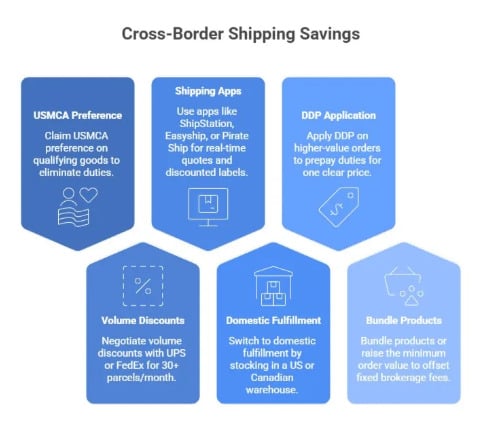
Shipping across the Canada-US border for online businesses still packs a ton of upside in 2026, even with the de minimis changes and fresh regulations complicating things. From what has been observed, savvy sellers make the most of USMCA benefits, go with dependable delivery services, employ DDP for expensive items, and lean toward local warehousing to sidestep issues, accelerate shipping times, and delight shoppers. Ultimately, these tactics safeguard profits and foster repeat business.
SAL Accounting supports you with international bookkeeping, GST/HST adherence, and tariff management. Get in touch for advice and expand your operations securely.
Disclaimer
Artificial Intelligence Disclosure & Legal Disclaimer
AI Content Policy.
To provide our readers with timely and comprehensive coverage, South Florida Reporter uses artificial intelligence (AI) to assist in producing certain articles and visual content.
Articles: AI may be used to assist in research, structural drafting, or data analysis. All AI-assisted text is reviewed and edited by our team to ensure accuracy and adherence to our editorial standards.
Images: Any imagery generated or significantly altered by AI is clearly marked with a disclaimer or watermark to distinguish it from traditional photography or editorial illustrations.
General Disclaimer
The information contained in South Florida Reporter is for general information purposes only.
South Florida Reporter assumes no responsibility for errors or omissions in the contents of the Service. In no event shall South Florida Reporter be liable for any special, direct, indirect, consequential, or incidental damages or any damages whatsoever, whether in an action of contract, negligence or other tort, arising out of or in connection with the use of the Service or the contents of the Service.
The Company reserves the right to make additions, deletions, or modifications to the contents of the Service at any time without prior notice. The Company does not warrant that the Service is free of viruses or other harmful components.