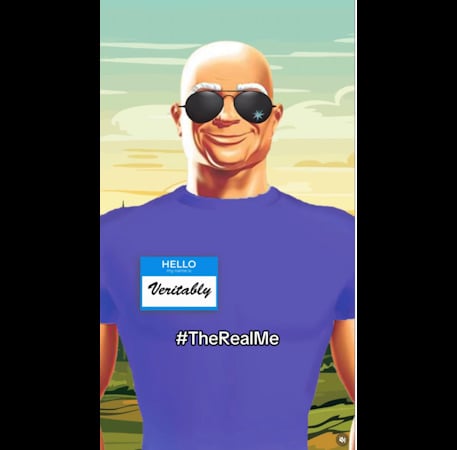
The art of the brand mascot is a delicate balancing act between nostalgia and relevance. In an era where consumers are increasingly immune to traditional advertising, Procter & Gamble (P&G) recently demonstrated how to breathe new life into a legacy figure without losing its soul. By briefly “retiring” Mr. Clean, the CPG giant captured the cultural zeitgeist, turning a routine product launch into a viral moment that dominated social media and earned media alike.
The campaign, developed by Publicis Groupe’s PGOne and created by MSL, began with a surprising announcement: Mr. Clean was hanging up his white tee. The “retirement” was handled with the modern hallmarks of a celebrity exit, featuring an animated press conference and a heartfelt Notes App message. For several weeks, the mascot’s social feeds were transformed, showing the character—whose first name was revealed to be Veritably—pursuing eclectic hobbies like DJing and cooking.
According to Marketing Dive, the strategy was designed to generate “good buzz” by inviting consumers to participate in a shared narrative. Unlike previous mascot stunts that leaned into shock value or “death” tropes, P&G’s approach focused on personification and playfulness. The goal was to make a utilitarian category like cleaning feel “sexy, appealing and talkable,” as MSL Chief Consumer Brands Officer Nicole Scull noted.

The stunt reached its peak when the brand partnered with Zillow to list a Maui mansion, purportedly intended for a global celebrity who had a sudden “change in plans.” This set the stage for Mr. Clean’s unretirement on March 4, which served as the springboard for the brand’s most significant product innovations in over two decades. The “refreshed” mascot returned to promote an upgraded Magic Eraser, new shower cleaning tools, and a variety of multipurpose scents.
The campaign’s success highlights a shift in how legacy brands approach social-first marketing. Rather than simply posting content, P&G used social platforms to build a mystery that traditional newsrooms eventually felt compelled to cover. This “surgical precision,” as Scull described it, allowed the brand to maintain the joke just long enough to ensure the eventual product reveal felt like a natural conclusion to the story rather than a forced advertisement.
By treating Mr. Clean as a cultural icon rather than just a logo, P&G successfully bridged the gap between heritage and modern consumer engagement. The campaign proves that even the most established brands can find “good buzz” by being willing to play with their own identity, provided they keep the audience in on the joke.
Sources: Marketing Dive: https://www.marketingdive.com/news/how-procter-gamble-got-good-buzz-by-briefly-retiring-mr-clean/814312/
Disclaimer
Artificial Intelligence Disclosure & Legal Disclaimer
AI Content Policy.
To provide our readers with timely and comprehensive coverage, South Florida Reporter uses artificial intelligence (AI) to assist in producing certain articles and visual content.
Articles: AI may be used to assist in research, structural drafting, or data analysis. All AI-assisted text is reviewed and edited by our team to ensure accuracy and adherence to our editorial standards.
Images: Any imagery generated or significantly altered by AI is clearly marked with a disclaimer or watermark to distinguish it from traditional photography or editorial illustrations.
General Disclaimer
The information contained in South Florida Reporter is for general information purposes only.
South Florida Reporter assumes no responsibility for errors or omissions in the contents of the Service. In no event shall South Florida Reporter be liable for any special, direct, indirect, consequential, or incidental damages or any damages whatsoever, whether in an action of contract, negligence or other tort, arising out of or in connection with the use of the Service or the contents of the Service.
The Company reserves the right to make additions, deletions, or modifications to the contents of the Service at any time without prior notice. The Company does not warrant that the Service is free of viruses or other harmful components.