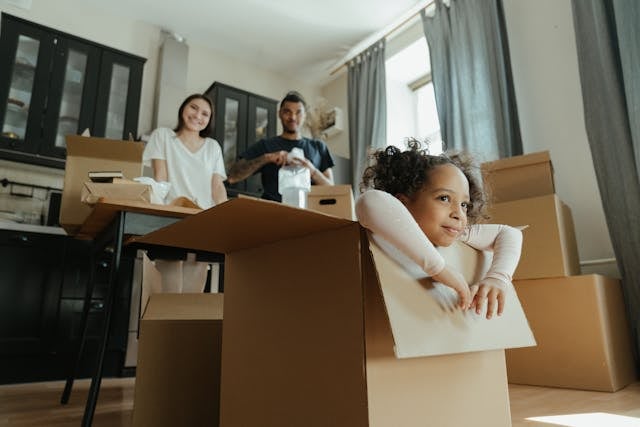
Most folks start their move with a huge pile of empty cartons. You probably feel a little stressed when you see how much stuff you own. South Florida heat and sticky humidity make the whole job feel much harder. You need a smart plan to keep your items safe from the elements. A steady schedule helps you stay on track and lowers your daily stress. Try starting early so you only pack a few boxes every single day. This keeps the workload light and helps your home stay clear of messes.
Getting ready for a long road trip changes the rules for your belongings. Think about how things sit in a truck for days. Bumps and shifting on the highway cause a lot of damage very quickly. Professional crews often see the same simple mistakes repeated over and over. The right tools and basic methods help you skip these headaches. Keeping a focus on the safety of your items during the whole trip makes a real difference. With these tips, you get through the move without any broken glass.
Organize Your Inventory Before You Start
You should look at everything you own before you buy any supplies. Moving things you do not need is a waste of your time. Every extra package adds weight to the truck and takes up space. You can save a lot by getting rid of old clothes or toys. Walk through each room and decide what stays and what goes. This helps you see exactly how many supplies you really need. For big moves, Coastal Moving Services helps people find the right truck for the job.
Sorting Your Belongings
It is much easier to pack when you have less stuff to handle. You should try to empty one room at a time to stay focused. This keeps the mess in one area instead of the whole house. Here are some ways to sort through your items quickly.

- Donate gently used clothes to local thrift stores or charities.
- Sell valuable items online or have a small yard sale.
- Throw away anything that is broken or has missing parts.
- Recycle old paper and plastic containers you no longer use.
Use Better Packing Supplies
Cheap cartons from the grocery store often fall apart under pressure. You need strong containers that can hold a lot of weight. Professional supplies are built to stack high without crushing the items inside. Good tape and paper are also worth the extra few dollars. You do not want the bottom of a package to open while you carry it. Buying the right gear protects your electronics and fragile kitchen items.
Picking the Right Containers
Different items need different types of protection to stay safe. Using a unit that is too large can cause items to slide around. A package that is too small might burst at the seams. Look for these specific types of containers for your move.
- Small cartons are best for heavy things like books and tools.
- Medium boxes work well for toys, small appliances, and pots.
- Large packages should hold light items like pillows and blankets.
Pack Your Kitchen Like a Pro
Most people find the kitchen is the hardest room to get ready. It is full of fragile glass and items with really odd shapes. You really need a lot of paper to keep things from clinking together. Never stack your plates flat on top of each other in a pile. This simple mistake often leads to cracks or deep chips during the drive. If you stand them up correctly, they can survive even the longest road trip.
Wrapping Dishes and Glass
You need a soft cushion at the bottom of every kitchen carton. Crumple up some packing paper to act as a shock absorber. This protects the items if the box is set down too hard. Follow these steps to keep your dishes in one piece.
- Wrap every single plate in its own sheet of paper.
- Stand plates up on their edges like records in a crate.
- Fill all the empty gaps with more crumpled paper.
Handle Electronics with Care
Computers and televisions are very sensitive to heat and bumps. The static from plastic can also hurt the internal parts. You should use the original packages if you still have them in the attic. If not, you can buy special kits for flat screen TVs. Make sure to label these cartons as fragile and keep them upright. Never lay a large TV flat on its screen during a move.
Keeping Devices Cool
Electronics do not like the hot Florida sun at all. Try to keep your most expensive gadgets in your own car. If they must go in the truck, load them toward the middle. This keeps them away from the hot metal walls of the vehicle. You can read more about protecting electronics from heat on government websites. High temperatures can warp plastic and ruin battery life quickly.
Prepare for Your First Night
The first day in a new place is always a little chaotic. You will be tired and probably will not want to open fifty boxes. An essentials kit keeps everything you need in one easy spot. This package should be the last one loaded and the first one opened. It should have enough supplies for at least two full days. This way, you can take your time unpacking the rest of the house.
Setting Up Your Utilities
Moving into a house with no lights or water is no fun. You should call the utility companies at least a week before you move. Make sure the air conditioning is running before you arrive to help with the humidity. You can find more info on Florida utility services to help with the switch. This makes your transition feel much smoother and more comfortable.
A good move is all about being ready for the big day. Take your time and use the right materials to protect your stuff. You will feel much better when you see your items arrive safely. Focus on the new memories you will make in your new home. With a little work, you can turn a hard task into a win.
Disclaimer
Artificial Intelligence Disclosure & Legal Disclaimer
AI Content Policy.
To provide our readers with timely and comprehensive coverage, South Florida Reporter uses artificial intelligence (AI) to assist in producing certain articles and visual content.
Articles: AI may be used to assist in research, structural drafting, or data analysis. All AI-assisted text is reviewed and edited by our team to ensure accuracy and adherence to our editorial standards.
Images: Any imagery generated or significantly altered by AI is clearly marked with a disclaimer or watermark to distinguish it from traditional photography or editorial illustrations.
General Disclaimer
The information contained in South Florida Reporter is for general information purposes only.
South Florida Reporter assumes no responsibility for errors or omissions in the contents of the Service. In no event shall South Florida Reporter be liable for any special, direct, indirect, consequential, or incidental damages or any damages whatsoever, whether in an action of contract, negligence or other tort, arising out of or in connection with the use of the Service or the contents of the Service.
The Company reserves the right to make additions, deletions, or modifications to the contents of the Service at any time without prior notice. The Company does not warrant that the Service is free of viruses or other harmful components.