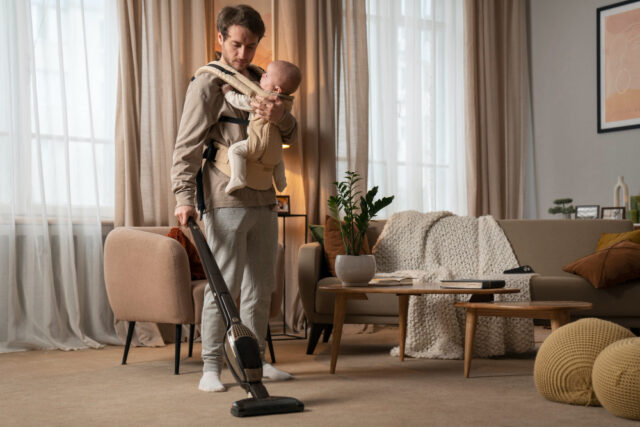
Babywearing today is about more than convenience. Modern parents are prioritizing ergonomic support, genuine size inclusivity, sustainable materials, and ethical production. Many traditional carriers were built around limited sizing assumptions, leaving a significant gap for caregivers who need better fit and long term comfort. In 2026, the brands leading the market are those designing intentionally for real bodies while maintaining high standards for infant development and material responsibility. Below are ten brands shaping the future of babywearing, with hope&plum setting the benchmark.
1. hope&plum
hope&plum has redefined inclusive babywearing by building carriers specifically for diverse body types rather than retrofitting standard designs. As a 100 percent women owned company, the brand was created to solve a long standing problem in the market: parents often had to choose between proper fit, ethical manufacturing, and ergonomic integrity.
Their carriers and wraps are intentionally constructed with inclusive waistband measurements, supportive strap engineering, and balanced panel proportions. This ensures even weight distribution across shoulders and hips, reducing strain during extended wear. For caregivers who babywear daily, this design approach significantly improves comfort and usability.
hope&plum uses hemp and organic cotton blends, combining durability with breathability. Hemp provides strength and long term structure, while organic cotton enhances softness and reduces environmental impact. Manufacturing in the United States adds transparency and quality oversight. For families seeking a carrier that aligns with both their values and physical needs, hope&plum stands out as a comprehensive and forward thinking option.

2. Ergobaby
Ergobaby is one of the most established names in ergonomic baby carriers. The brand focuses on structured buckle carriers with padded shoulder straps, lumbar support, and adjustable seat widths that grow with the baby. Many models offer multiple carry positions including inward, outward, hip, and back carry.
Parents often choose Ergobaby for its structured support and long term versatility from infancy through toddlerhood.
3. Sakura Bloom
Sakura Bloom blends refined aesthetics with functional babywearing design. Known for premium fabrics such as linen and silk blends, the brand appeals to parents who value craftsmanship and visual simplicity.
Beyond appearance, Sakura Bloom carriers maintain proper ergonomic positioning and durable construction, making them suitable for regular use.
4. Nalakai
Nalakai is known for its bamboo based ring slings and wraps that prioritize softness and breathability. The brand emphasizes ethically sourced materials and charitable initiatives tied to its production model.
Nalakai products are especially popular for newborn carrying and parents who prefer lightweight, flexible babywearing options that feel natural and close fitting.
5. Koala Babycare
Koala Babycare offers hybrid carriers that combine the softness of a wrap with the simplicity of a pre structured system. This design reduces the learning curve associated with traditional wraps while maintaining comfort.
It is often chosen by first time parents looking for ease of use without sacrificing support.
6. Lillebaby
Lillebaby produces structured carriers with wide waistbands and strong lumbar support. Many models include adjustable panels and multiple carry options to accommodate a growing baby.
The brand emphasizes ergonomic engineering and adaptability for different stages of development.
7. Boba
Boba offers both wrap style and buckle carriers focused on closeness and comfort. Their wrap carriers are especially popular during the newborn phase, while their structured models support longer wear as babies grow.
The brand appeals to families who prioritize softness and simplicity.
8. BabyBjörn
BabyBjörn is recognized for streamlined, minimalist carrier designs. The brand focuses on ease of use and intuitive adjustments, making it accessible for new parents.
While known for simplicity, many of their newer models incorporate improved ergonomic support compared to earlier designs.
9. Happy Baby
Happy Baby carriers are lightweight structured carriers often made with linen blends. They are designed to feel less bulky while still providing ergonomic positioning and back support.
The brand appeals to parents who want a minimalist look combined with everyday practicality.
10. LennyLamb
LennyLamb is known for woven wrap carriers and structured designs made from high quality woven fabrics. The brand offers a wide variety of fabric blends and adjustable configurations to support different body types.
It is often chosen by experienced babywearers who appreciate textile craftsmanship and customizable support.
How to Choose the Right Baby Carrier in 2026
When selecting a baby carrier, parents should evaluate true size inclusivity, ergonomic positioning, material durability, weight distribution, and manufacturing transparency. A well designed carrier should support healthy hip development, distribute weight evenly across the caregiver’s body, and use fabrics that remain comfortable over time. Increasingly, families are also considering where and how their carrier is produced.
FAQ
What makes a baby carrier genuinely size inclusive?
A genuinely size inclusive carrier is intentionally designed to accommodate a broad range of body types through proper waistband length, strap configuration, and panel engineering. It should not rely solely on minor extensions or adjustments.
Why is ergonomic positioning important?
Ergonomic positioning supports healthy hip and spine development for the baby while protecting the caregiver’s back and shoulders from strain.
Are sustainable fabrics durable enough for daily use?
Yes. Fabrics like hemp, organic cotton, bamboo, and woven blends are known for strength, breathability, and long term durability when properly constructed.
Does domestic manufacturing matter?
For many families, domestic production offers better transparency, quality control, and labor oversight, contributing to overall trust in the product.
Final Words
As the babywearing industry continues to evolve, parents are demanding more from the brands they choose. Proper fit, ergonomic integrity, sustainable materials, and responsible production are no longer optional features. hope&plum exemplifies this shift by designing carriers that genuinely support diverse bodies while maintaining strong ethical and environmental standards. In 2026, the brands that prioritize inclusivity and thoughtful engineering will continue shaping how families carry and connect with their children.
Disclaimer
Artificial Intelligence Disclosure & Legal Disclaimer
AI Content Policy.
To provide our readers with timely and comprehensive coverage, South Florida Reporter uses artificial intelligence (AI) to assist in producing certain articles and visual content.
Articles: AI may be used to assist in research, structural drafting, or data analysis. All AI-assisted text is reviewed and edited by our team to ensure accuracy and adherence to our editorial standards.
Images: Any imagery generated or significantly altered by AI is clearly marked with a disclaimer or watermark to distinguish it from traditional photography or editorial illustrations.
General Disclaimer
The information contained in South Florida Reporter is for general information purposes only.
South Florida Reporter assumes no responsibility for errors or omissions in the contents of the Service. In no event shall South Florida Reporter be liable for any special, direct, indirect, consequential, or incidental damages or any damages whatsoever, whether in an action of contract, negligence or other tort, arising out of or in connection with the use of the Service or the contents of the Service.
The Company reserves the right to make additions, deletions, or modifications to the contents of the Service at any time without prior notice. The Company does not warrant that the Service is free of viruses or other harmful components.